
Last updated November 14, 2026
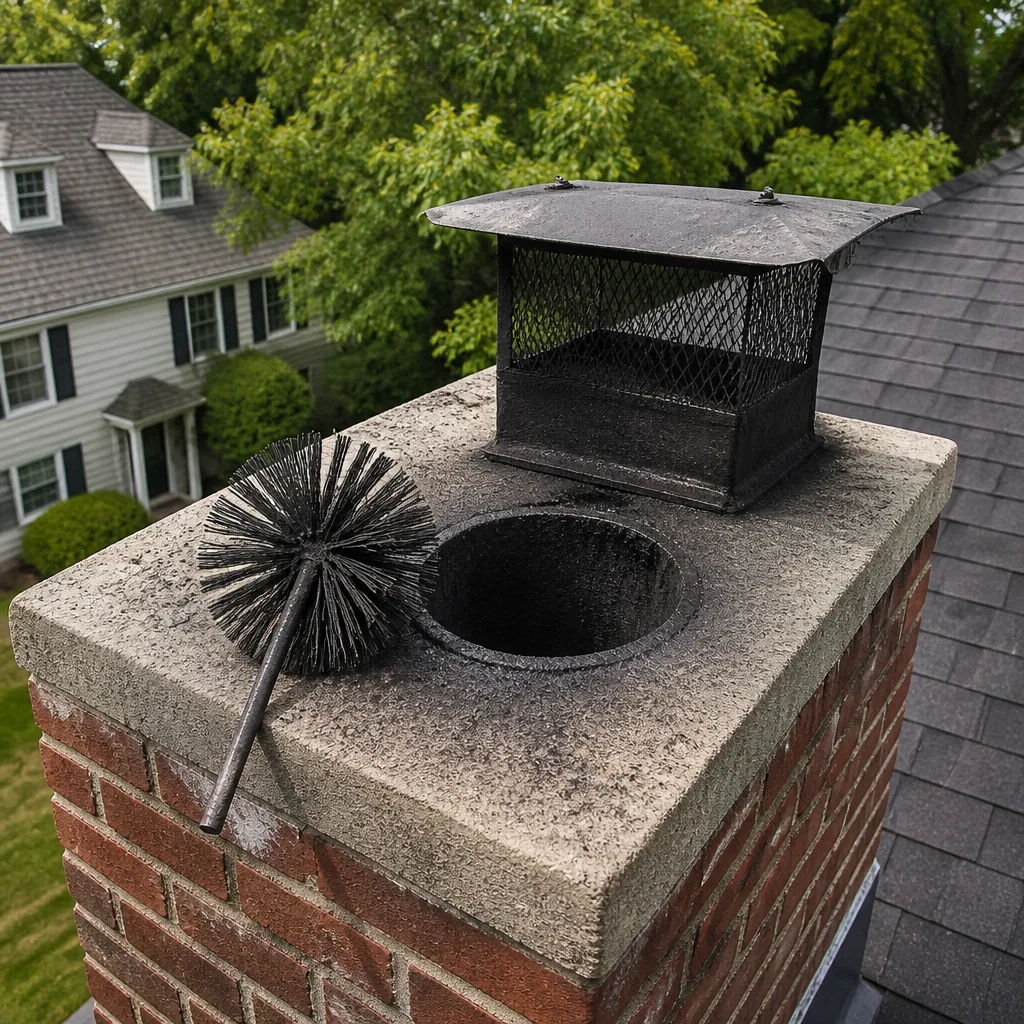 Sweep & inspection
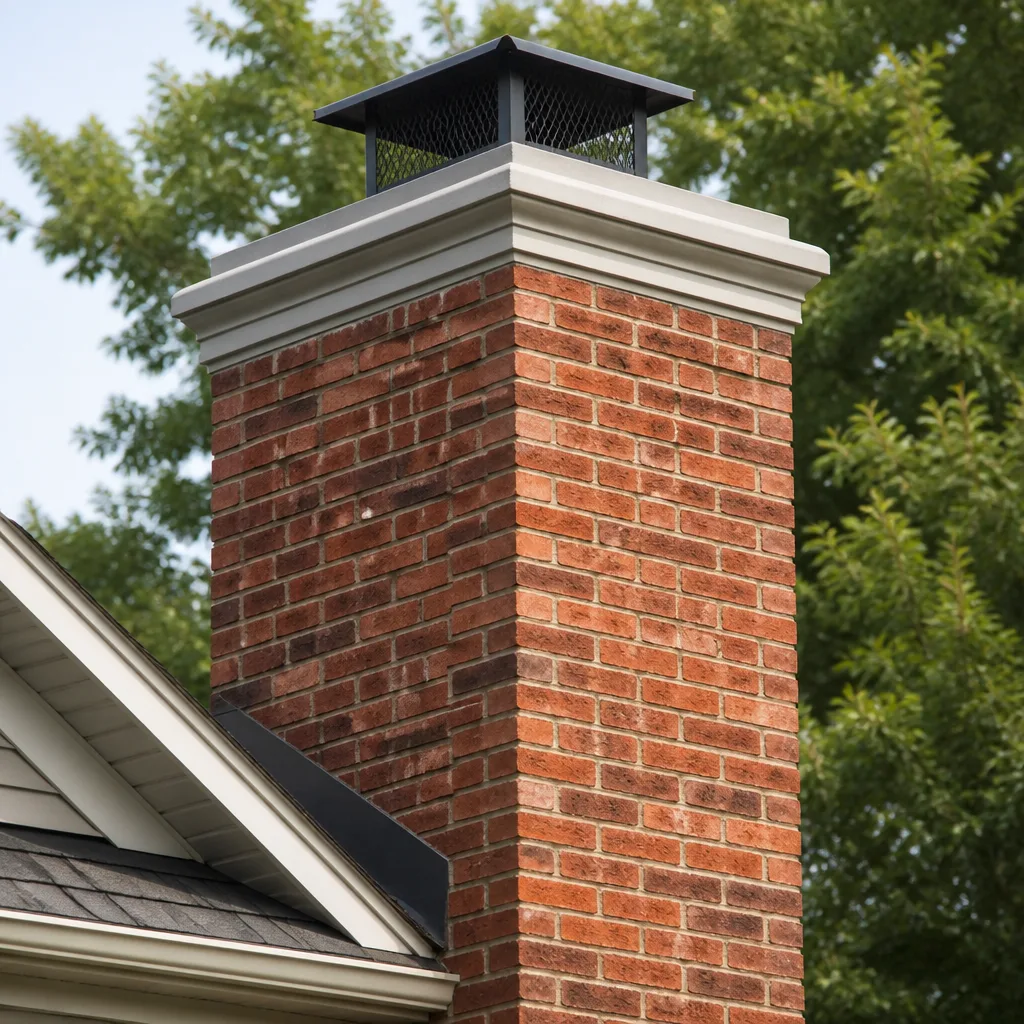 Caps & crowns
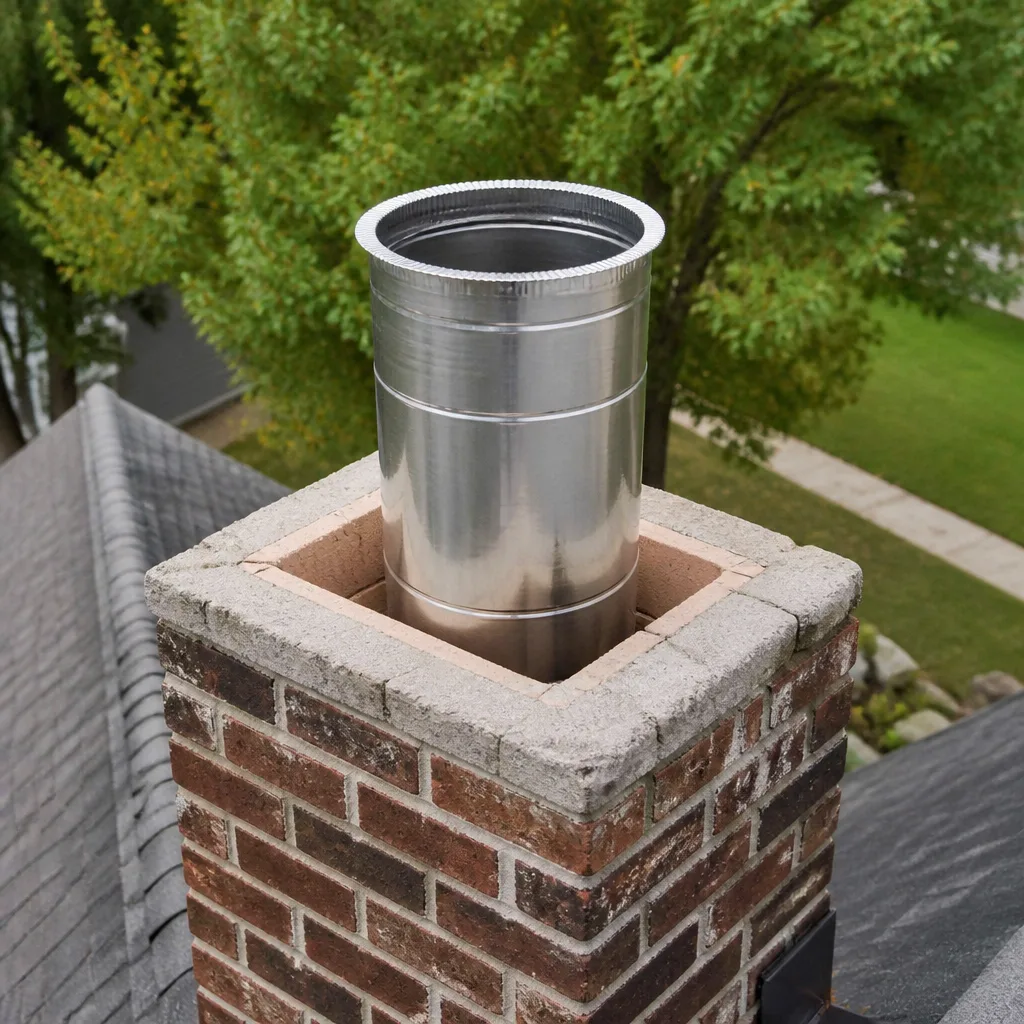 Flue relining
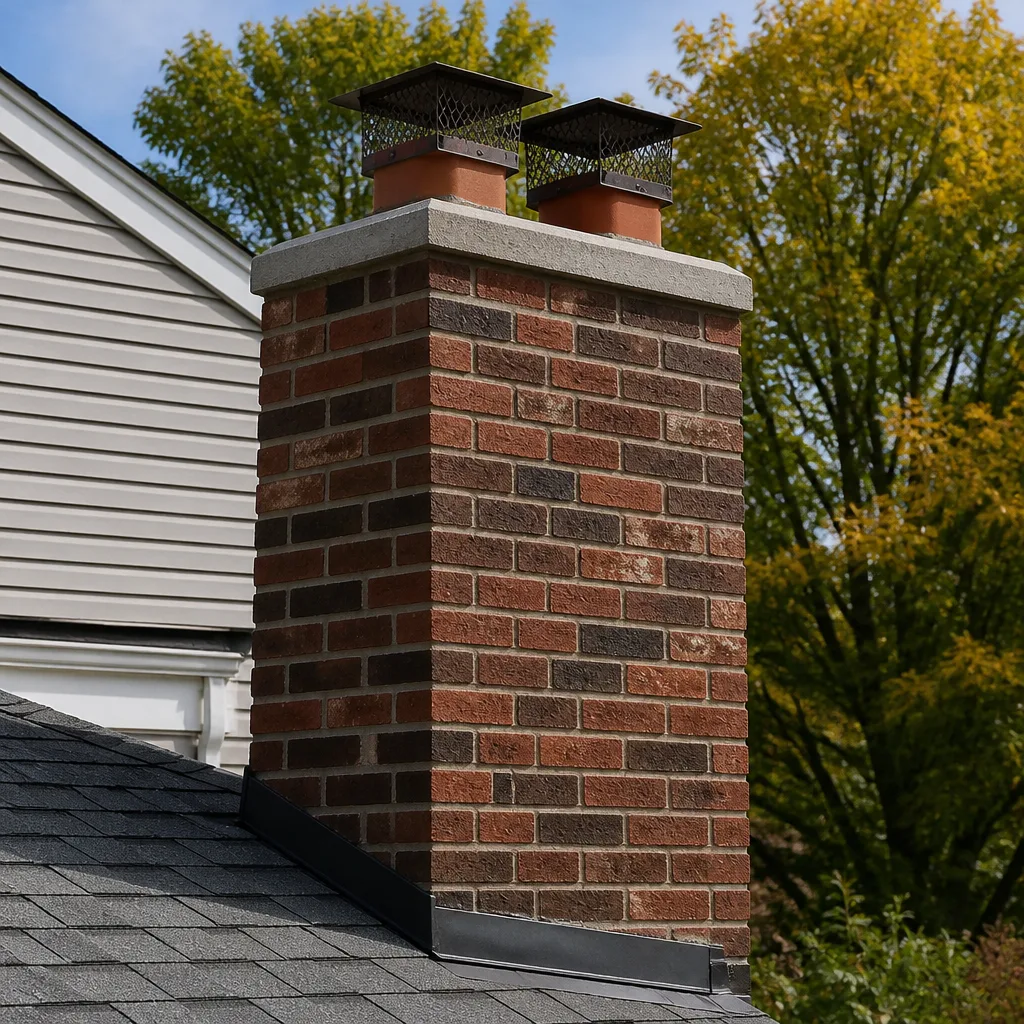 Masonry repair
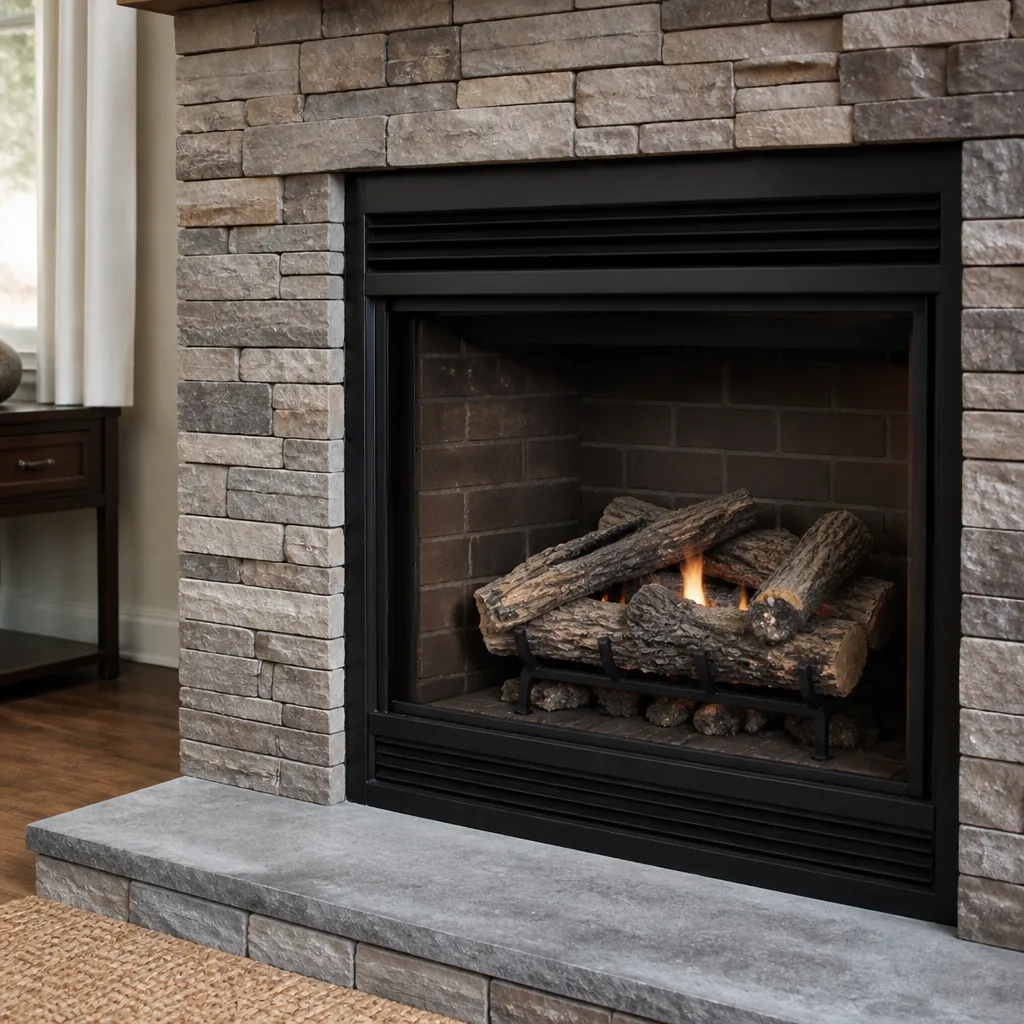 Gas fireplace service
Level 1 sweep and inspection to the NFPA 211 annual standard - flue, crown, cap, and flashing checked and photographed
Chimney sweep logs do not sweep chimneys. They loosen some creosote - which then falls where a brush and vacuum still have to collect it.
How to Hire a Chimney Cleaning Contractor in Meridian: A Step-by-Step Guide
Idaho has no state licensing requirement for chimney sweeps, which means the company showing up at your door could be CSIA-certified with 15 years of experience or a general handyman who added chimney cleaning to a service menu last spring. You can’t tell from a website alone. That’s the awkward truth about hiring in this trade: the barrier to entry is a brush, a vacuum, and a business card. What separates a specialist from an add-on service isn’t the price or the logo, it’s the questions they can answer and the documentation they hand you before anyone touches your flue. This guide gives you a concrete vetting framework for Meridian so you hire a chimney specialist, not a generalist with a shop vac.
Quick Answer
Hire a chimney sweep in Meridian by verifying three things before booking: CSIA certification (the trade’s minimum recognized credential), current general liability insurance with a certificate you can confirm directly with the insurer, and whether the company performs chimney repair and liner work in-house or just cleaning. Ask for a written estimate that names the inspection level, notes visible flue condition, and lists materials if repair is needed. A specialist will welcome the questions; a generalist will dodge them.
Styles & brands we work with
- Sweep & inspection
- Caps & crowns
- Flue relining
- Masonry repair
- Gas fireplace service
Table of Contents
- Why Hiring in Meridian Is Different
- What CSIA Certification Actually Covers
- The Five Questions to Ask Before You Book
- What a Legitimate Written Estimate Should Include
- Red Flags Specific to the Meridian Market
- How to Verify Insurance and Which Coverage Protects You
- Specialist or Generalist: How to Tell the Difference
- The Step-by-Step Hiring Process
Why Hiring a Chimney Cleaner in Meridian Is Different
Meridian sits in the Treasure Valley, which means cold, dry winters and a real wood-burning season. Plenty of homes here run a fireplace or a wood stove as supplemental heat, and the housing stock includes a mix of newer construction and older homes with original masonry chimneys. That combination matters when you’re hiring, because a chimney that’s been used hard through several heating seasons can have glaze-creosote buildup that a quick surface sweep won’t resolve.
The other factor is Idaho’s hands-off approach to the trade. Because there’s no state license for chimney sweeps, anyone can offer the service. That doesn’t mean everyone who does is bad. It means the burden of proof falls on you, the homeowner, to check credentials the state doesn’t check for you.
What we’ve seen in Meridian is a market with genuine specialists and a fair number of generalists who sweep as a side service. The specialists tend to be busy during the shoulder months and can diagnose a problem in your flue on the same visit. The generalists tend to sweep and leave, then refer out anything structural. Neither is automatically wrong, but you should know which one you’re calling before you book.
Meridian’s climate also shapes what gets inspected. Wood-burning appliances that sit idle from spring to fall can accumulate a season’s worth of creosote that hardens and glazes over the summer. When the first cold snap hits, that’s when the calls come in. Booking a sweep before the heating season starts means you’re not competing for a slot with everyone else.
What CSIA Certification Actually Covers (and What It Doesn’t)
CSIA stands for Chimney Safety Institute of America. It’s the recognized credential in this trade, and if a company can’t tell you their sweeps hold it, that’s your first signal to keep looking. Certification requires passing an exam, adhering to a code of ethics, and keeping current through continuing education. It’s not a state license, but it’s the closest thing the industry has to one.
What CSIA certification does cover:
- Knowledge of venting principles, combustion, and chimney construction
- Understanding of creosote formation and the three stages of buildup
- Proficiency in the three levels of inspection as defined by NFPA 211
- Code of ethics and a commitment to not perform work outside scope
What it does not cover:
- It’s not a state license. Idaho doesn’t issue those for chimney work.
- It doesn’t guarantee the company’s insurance is current or adequate
- It doesn’t certify repair capability like liner installation or flue resurfacing
- It doesn’t replace a written estimate or contract
That last point matters. Certification is the floor, not the ceiling. A certified sweep can clean your chimney correctly and still not be equipped to install a liner or resurface a damaged flue. That’s why you also ask about repair scope.
When you’re checking credentials, a company that answers with specifics about inspection levels and code references is showing you the depth of their training. A company that just says “we’re certified” without being able to explain what that means is telling you something too.
The Five Questions That Reveal Whether a Company Is a Specialist
Before you book anyone, ask these five questions on the phone or by email. The answers will sort a chimney specialist from a generalist faster than any review profile.
- What inspection level will you perform, and will it involve a camera? A Level 2 inspection uses a camera to look at the flue interior, including offsets and the liner. If a company can’t tell you what inspection level they’ll do, they’re not operating on the NFPA 211 framework.
- Do you install liners and resurface flues yourself, or do you refer that out? A specialist can do both. A generalist cleans and refers. Neither is wrong if you know which you have, but a company that claims to do repair and can’t name its materials is bluffing.
- What brand of liner and repair products do you work with? Professional-grade materials like DuraFlex, HeatShield, Olympia Chimney, or Famco indicate a company sourcing from trade supply lines. A vague answer or a brand you can’t look up means ask more questions.
- Are you insured, and can you send the certificate before the visit? General liability is the baseline. Ask for the certificate and confirm it directly with the insurer before anyone arrives. This is your protection if liner damage occurs on the job.
- What does your written estimate include? A specialist puts scope, inspection level, findings, and materials in writing. A handyman quotes a number over the phone and moves on.
Write the answers down. When you compare companies, you’ll see the difference in depth. A company working in Meridian that can answer all five without hesitation is a company that treats this as a trade, not a side gig.
What a Legitimate Written Estimate Should Include
A written estimate from a chimney professional has four components. If any are missing, ask for them; a real specialist will provide them as standard practice.
- Scope of work: Exactly what will be done – sweep, inspection level, or repair. This is a written description, not a one-word job title.
- Inspection level notation: Level 1 (basic, accessible areas), Level 2 (camera inspection of the flue), or Level 3 (invasive, if needed for an unremovable obstruction). You should know which one you’re getting before the visit.
- Flue and liner condition: What the technician observed and what it means for future maintenance. If the estimate is for cleaning only, it should note whether a camera inspection was done and what it found.
- Materials if repair is needed: If a liner or cap is part of the job, the estimate should name the material system – a DuraFlex flexible liner for an offset flue, a HeatShield resurfacing application for cracked tiles, a Famco cap, or an Olympia Chimney component. You should know what’s going into your chimney, not just the total.
The estimate should also note whether the price is per job or hourly, and what happens if the technician finds something unexpected mid-job. A written estimate is a document you keep, not a number you’re told over the phone.
Get it in writing before work begins. This isn’t just for your protection; it’s a sign the company treats its scope professionally.
Red Flags Specific to the Meridian Market
Some red flags are universal; others show up in a valley market where the wind comes through and the housing stock varies. Here’s what to watch for.
- Door-to-door solicitation after a windstorm. Storm-chasing chimney companies show up after any notable weather, quote damage from the curb, and push for a same-day signed contract. A chimney specialist doesn’t need to knock on doors.
- Quotes without a camera inspection. If a company quotes a liner replacement without looking inside your flue with a camera, they’re guessing. A flue can have hidden damage at an offset or behind a smoke shelf that a flashlight can’t see. No camera, no credible repair quote.
- Pressure to approve repairs on the spot. Some damage is urgent. But if you’re being pushed to approve a thousands-of-dollars liner job before you’ve had time to look at the camera footage or get a second opinion, that’s a sales tactic.
- Estimates that name no materials. If the quote doesn’t say which liner brand or repair system is being used, ask why. Professional shops know their materials.
- Claims of “certification” with no evidence. Ask for the CSIA credential and verify it. The industry keeps a searchable database.
- No written estimate, no insurance certificate, no scope detail. Any one of these alone is enough to keep looking.
The door-to-door problem is real in Meridian after a wind event. Legitimate companies stay busy through referrals and repeat business. That said, being a specialist doesn’t mean you’re the cheapest, so don’t use price alone as your filter. Use the questions above.
How to Verify Insurance and Which Coverage Protects You
Insurance is where homeowners get the most comfort from the least verification. Being handed a certificate is not the same as confirming coverage. Here’s the distinction that matters.
There are two coverage types you’ll encounter:
- General liability insurance covers property damage the company causes on your job – dropping a tool down the flue and cracking a tile, or damaging your liner during installation. This is the baseline coverage you want to confirm.
- Professional liability insurance (sometimes called errors and omissions) covers claims that the work performed was defective or failed to meet the standard of care. If a liner installation is done badly and cracks later, this is the coverage that answers.
Most chimney companies carry general liability. Not all carry professional liability. If you’re hiring for a repair job – a liner replacement, HeatShield resurfacing, or a new cap – ask which coverage applies and whether it names your job.
Here’s how to verify:
- Ask for the certificate of insurance before the visit, not after.
- Note the insurer’s name and policy number.
- Call the insurer directly and confirm the certificate is valid.
- Verify the policy hasn’t lapsed and covers work at your address.
- For a repair job, confirm professional liability is in place.
We’ve seen homeowners accept a certificate at face value and learn later that it had expired. The two-minute call to the insurer is the whole test.
Specialist or Generalist: How to Tell the Difference in Practice
The chimney trade covers three distinct service lines: sweeping, repair, and dryer vent cleaning. A specialist does all three. A generalist typically does sweeping only and refers repair to a masonry contractor, which means you’re managing the handoff and any dispute about what caused a problem.
A specialist shop will show you:
- A defined lineup of materials it installs – for example, DuraFlex flexible liner systems for offset or older flue configurations, HeatShield for ceramic flue resurfacing, and Olympia Chimney or Famco components for caps and venting.
- Capability to resurface cracked flue tiles without a full liner tear-out, a repair path a sweep-only company can’t offer.
- Hands-on experience with older or non-standard flues, including offsets the original builder left awkward.
- Dryer vent cleaning as a regular service, applying the same fire-safety standards used on chimney work.
Why does dryer vent cleaning matter in this conversation? Because the lint buildup that clogs a dryer vent is a fire hazard on the same order as creosote, and a company that treats it as a core service is thinking about the whole home’s venting, not just the fireplace. It also signals a company that does fire-prevention work as a discipline rather than an upsell.
The single-company advantage is real: when sweeping, diagnosis, and repair all sit with one company, you’re not passed between a cleaning crew and a separate contractor when something turns out to be more than a sweep.
Chimney Sweep Meridian is built around these three service lines, and our technicians have up to 15 years of experience across them. If you’re comparing options, that scope distinction is the one that saves you the most hassle.
The Step-by-Step Hiring Process
Here’s the full sequence in one place. Work through it once and you’ll have a company you can call for years.
- Start with why you’re calling. A routine annual cleaning, a problem you can see or smell, or a repair quote you want verified. Knowing why shapes which questions matter.
- Check CSIA certification. Ask directly; verify the answer. If they can’t confirm it, keep looking.
- Ask about inspection level. If you haven’t had a camera inspection in the past year or you’re buying or selling a home in Meridian, you want a Level 2.
- Ask about repair scope and materials. A specialist will name DuraFlex, HeatShield, Olympia Chimney, Famco, or similar trade-grade materials. A generalist will say “we’ll figure it out.”
- Request the certificate of insurance. Verify it with the insurer. Ask about professional liability if repair is in scope.
- Get the written estimate before booking. Confirm scope, inspection level, materials, and price. The estimate sets the final price.
- Book the sweep or inspection. For a chimney sweep, a trained sweep cleans the flue, checks the cap and damper, and reports what they see. For dryer vent cleaning, expect the same standard applied to the lint duct.
- Review the findings. If the technician recommends repair, you should see the camera footage or photos that justify it. If the work can wait, they should say so.
One more note on scope: this is chimney and venting work, not masonry rebuilds or roofing. A company that tries to sell you a full chimney rebuild as its core service may be a masonry contractor, which is fine, but it’s a different hire. A specialist generally cleans, inspects, installs liners, resurfaces flues, and cleans dryer vents.
Common Mistakes to Avoid
- Hiring based on the lowest price alone. A cut-rate sweep often means a generalist with a brush. You get a cleaned chimney and no idea whether the flue is sound. The cheap visit costs more when you pay twice to do it right.
- Booking a repair before a camera inspection. If a company quotes a liner job without a camera inside your flue, they’re quoting a guess. Insist on the camera.
- Accepting a certificate of insurance without confirming it. A lapsed policy is no protection. Call the insurer before the work starts.
- Skipping the written estimate. A verbal quote gives you nothing to compare and nothing to hold anyone to. Get scope and materials in writing before work begins.
- Not asking what brand of liner goes in. In Meridian, flue configurations vary. A rigid liner off the shelf won’t fit every flue. A flexible system like DuraFlex can handle offsets a rigid one can’t. The material matters.
- Using a general handyman for a chimney repair. Cleaning a flue is one thing. Resurfacing or relining it is a different skill set. Ask for the repair service directly.
- Waiting until the first cold snap. Booking a sweep during the heating season means competing with everyone. Booking before it starts means your flue is ready when you need it.
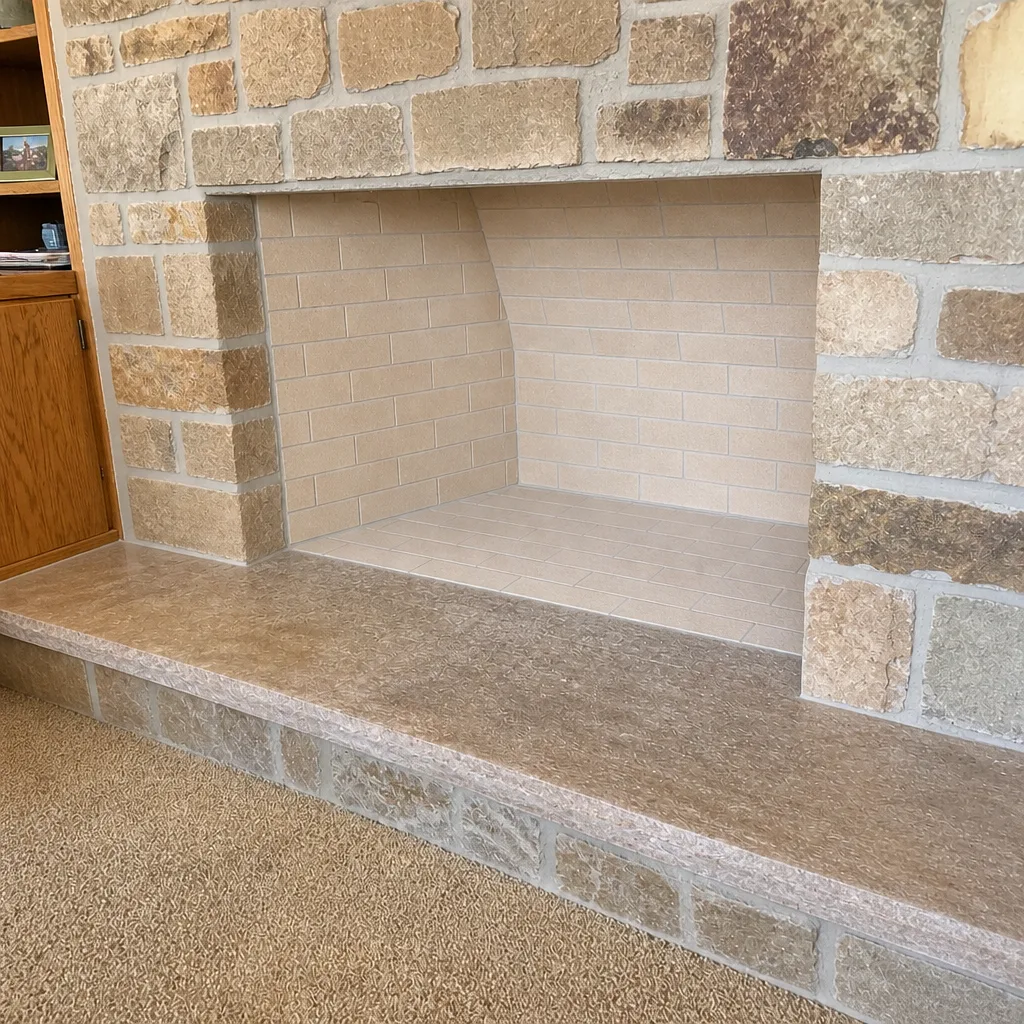
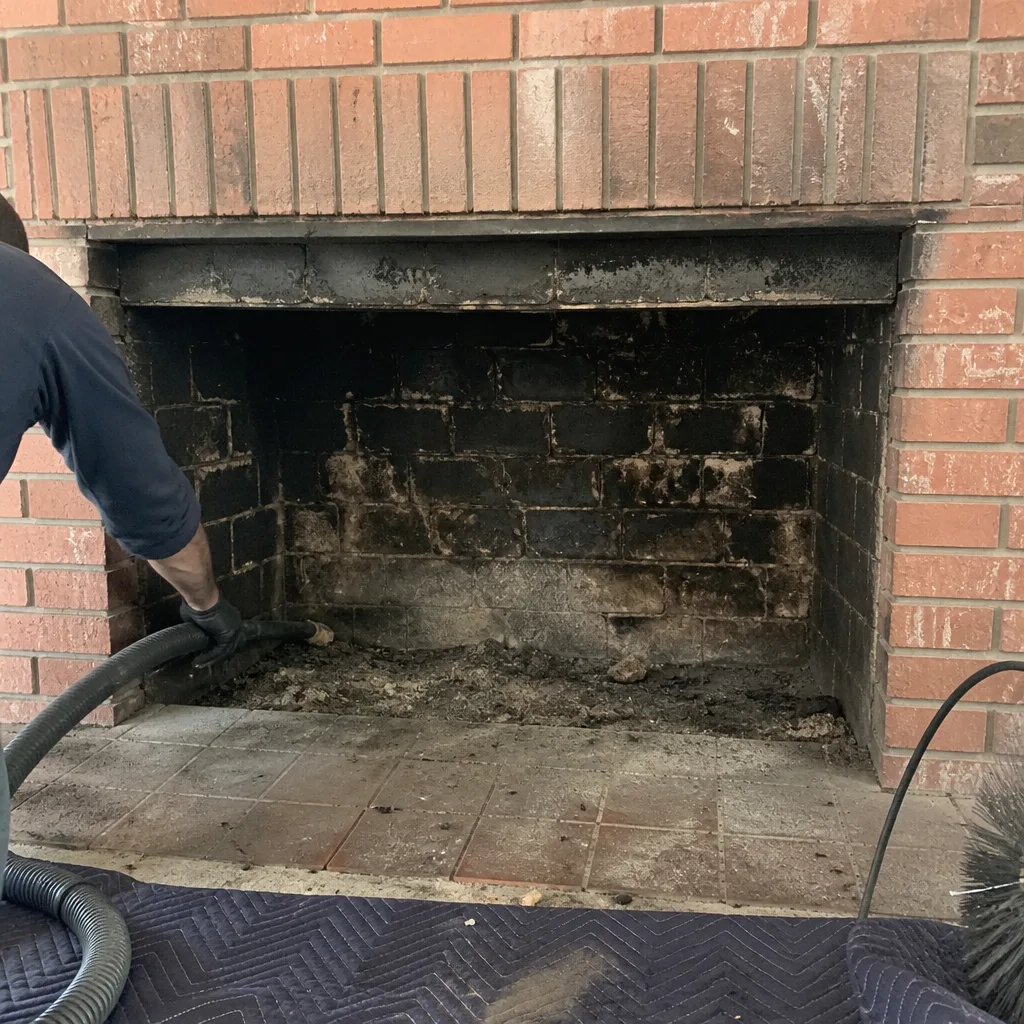
See the difference
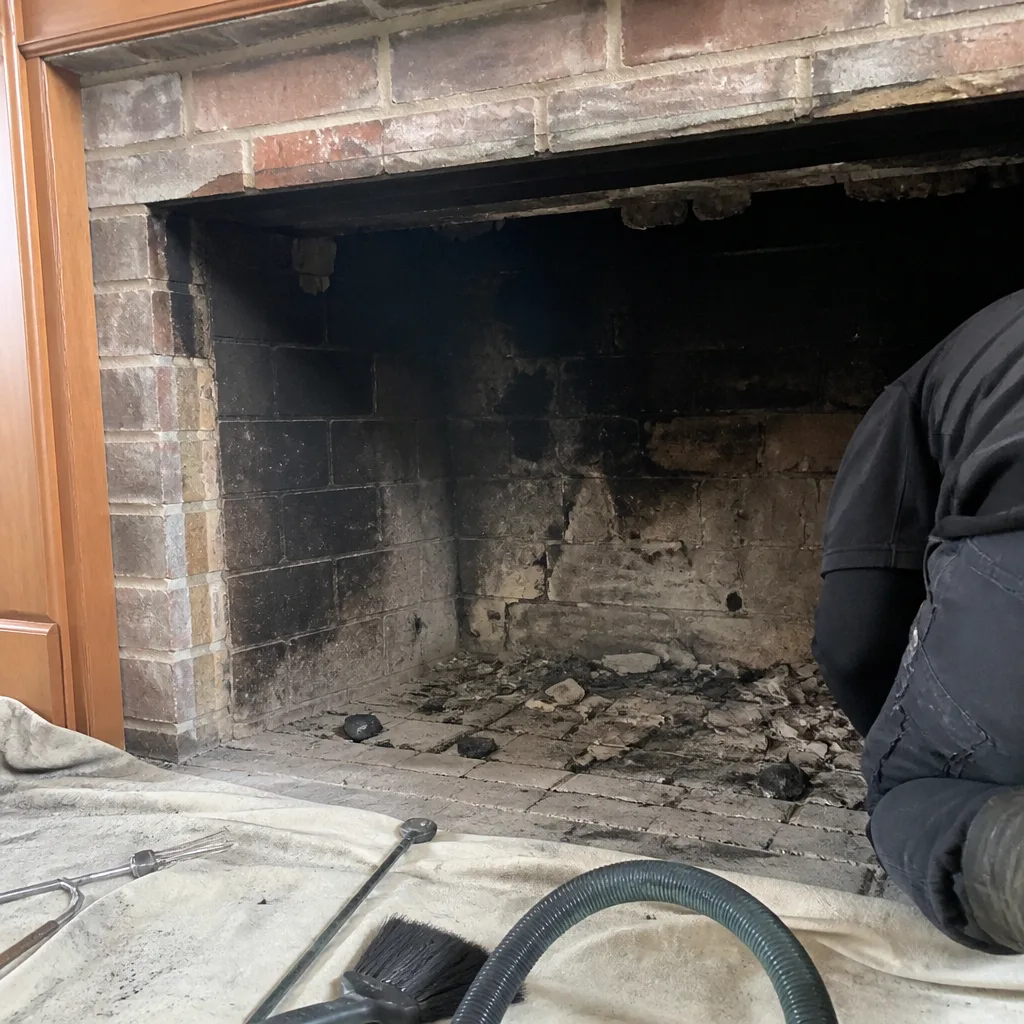 Before
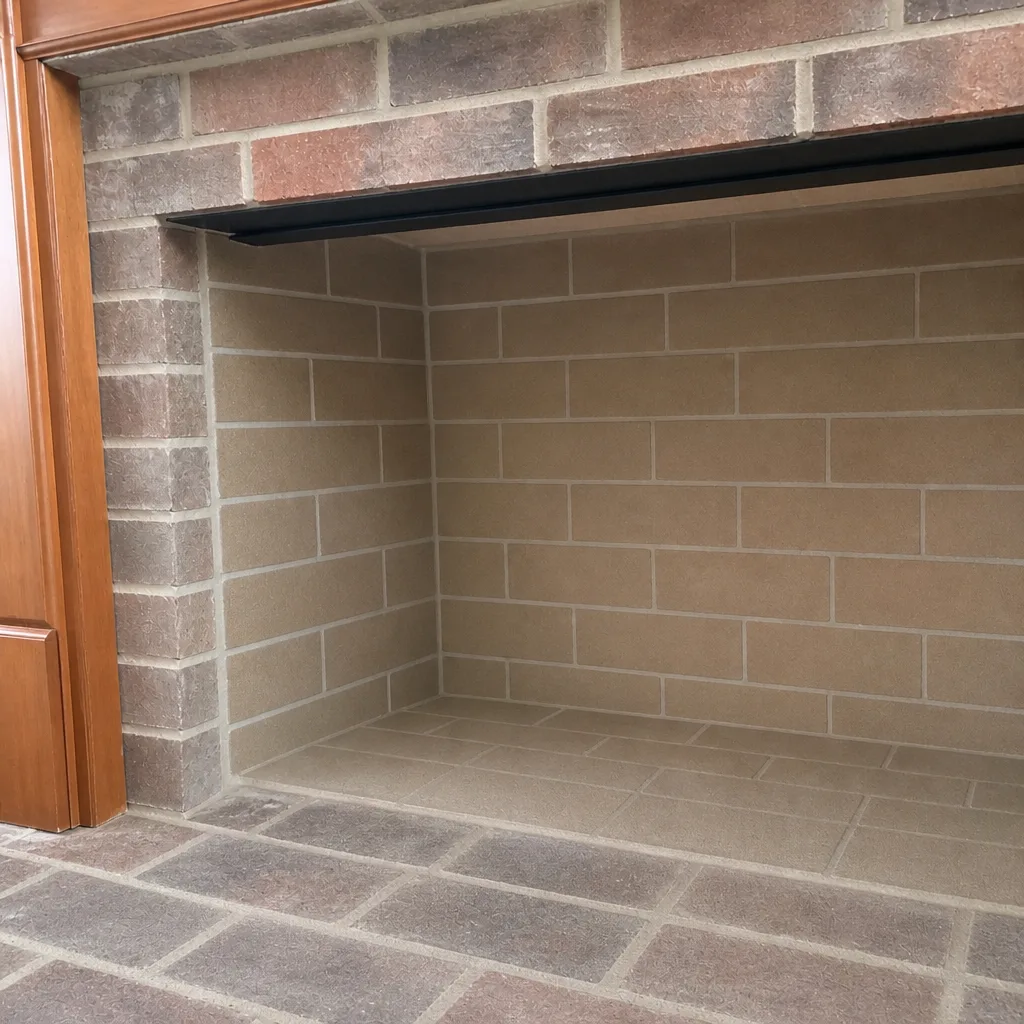 After
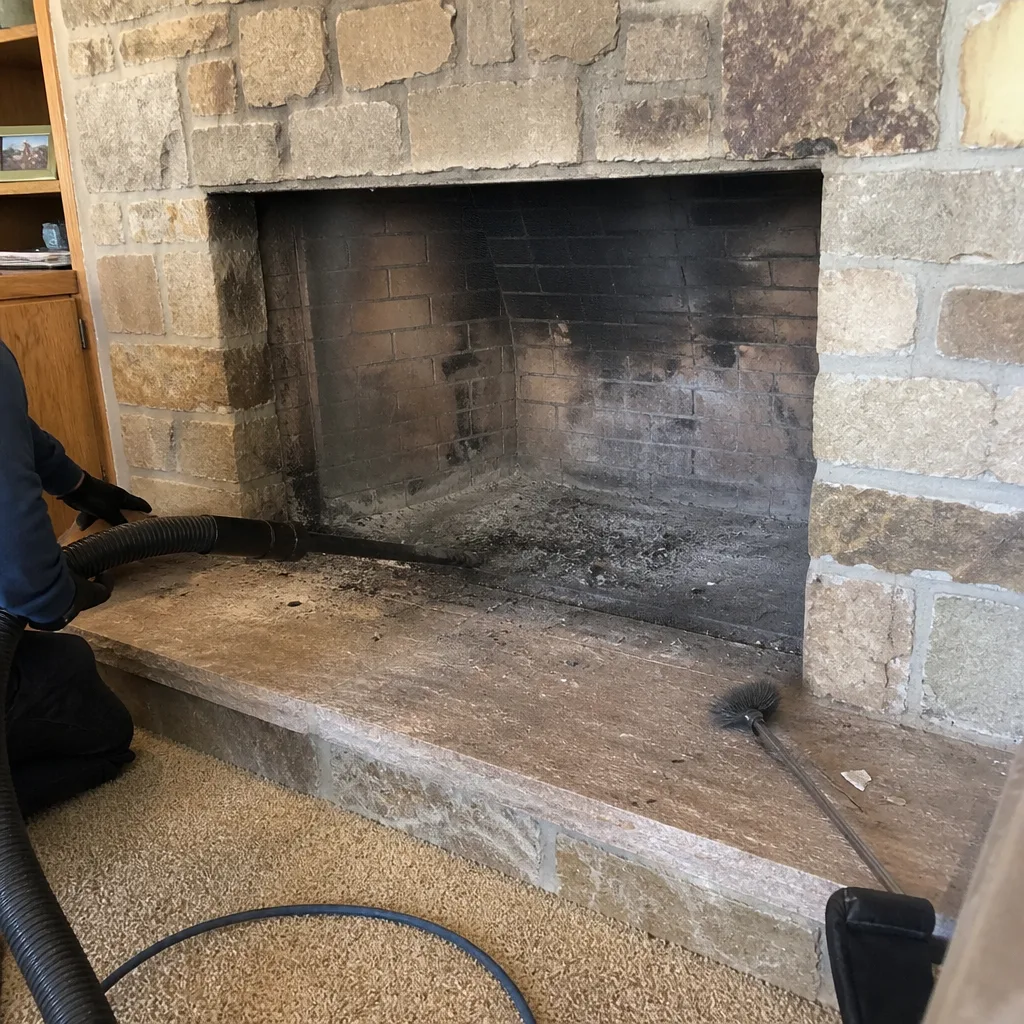 Before
 After
 Before
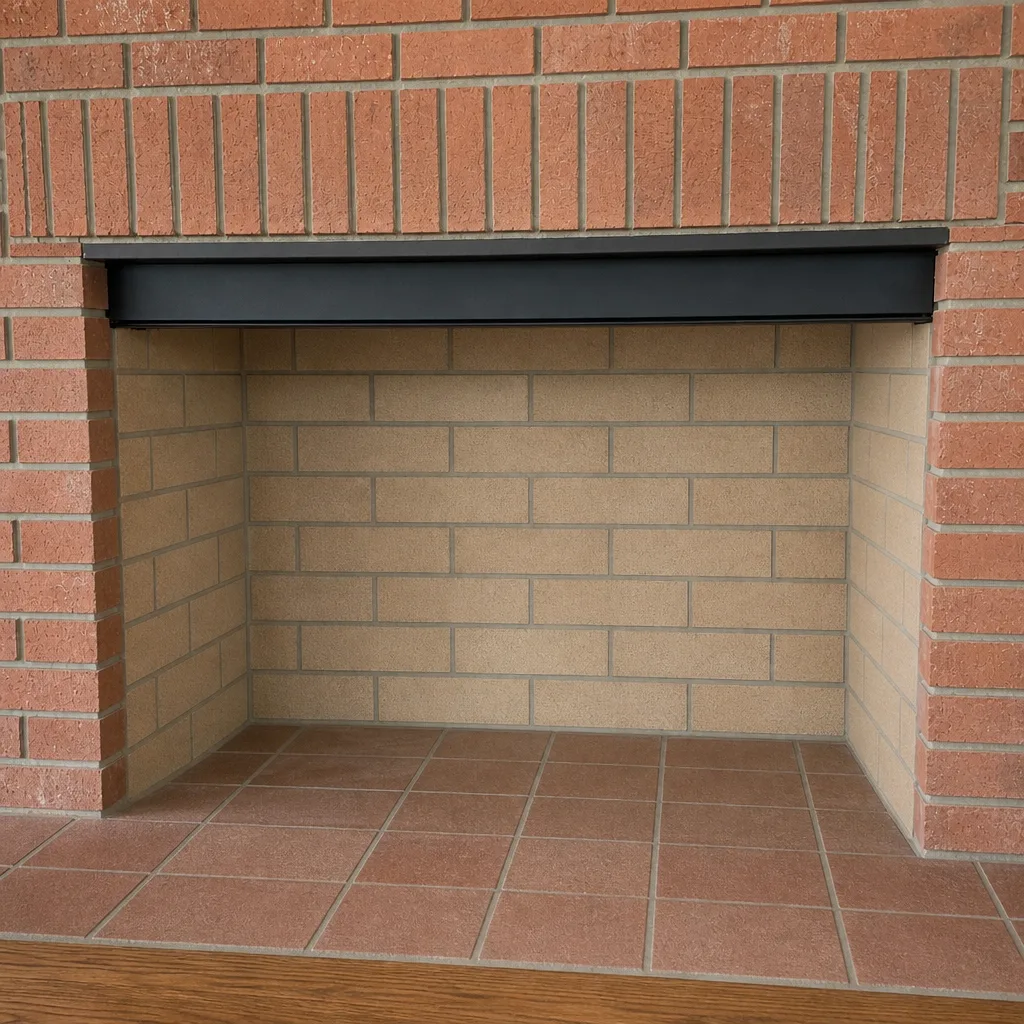 After
When to Call a Professional
Call a professional chimney sweep in Meridian when any of these show up. You smell a sharp, smoky odor even with the damper closed. A draft is weak or the fire won’t draw. You can see shiny, tar-like glaze inside the firebox. There’s visible soot staining on the chimney or a damaged cap. A storm knocked debris onto the roof near the flue. You’re buying or selling a home and need a Level 2 inspection. It’s been more than a year since the last cleaning of either the chimney or the dryer vent. And if you’re unsure, a professional can tell you whether the issue is real or whether it can wait. Chimney Sweep Meridian offers free estimates in Meridian: call (866) 361-7607. We answer 24/7. Fast dispatch from 7am to 7pm, Sunday through Friday.
Frequently Asked Questions
Most chimney sweeps in Meridian fall in the range you’d expect for the Treasure Valley, with cleaning pricing varying by access, flue type, and whether a camera inspection is included. The price should be set in a written estimate before the visit, not guessed over the phone. Call (866) 361-7607 for an exact quote; estimates are free.
Not unless the camera inspection shows damage that makes the existing flue unsafe to use. Cracked or deteriorated tiles, gaps at joints, and heavy glaze creosote are the usual triggers. A camera inspection gives you the evidence, and a professional should show it to you before recommending any liner work. If the flue is intact, the right answer is to keep it. Call (866) 361-7607 to schedule an inspection and get a clear answer.
Sweep your chimney at least once a year and more often if you burn wood heavily or see creosote buildup between cleanings. The National Fire Protection Association sets the annual standard as a baseline, and wood-burning homes should follow it. Dryer vent cleaning follows the same logic: once a year, more often if you notice clothes drying slowly. Call (866) 361-7607 to book either service.
Creosote builds up on the flue walls and becomes easier to ignite with each season, and a chimney fire can damage the liner and spread beyond it. Carbon monoxide can also back up into the home if the vent is blocked. Skipping a sweep doesn’t cause problems right away; it lets them accumulate. Call (866) 361-7607 to book a sweep and find out where yours stands.
A handyman with a brush can clean a flue, but he typically can’t inspect it with a camera, can’t resurface a damaged tile, and can’t install a liner. If the flue is sound and needs a routine sweep, a handyman might be enough. If anything is unknown, a specialist is the safer call. Chimney Sweep Meridian covers sweep, repair, and dryer vent work in one visit.
CSIA certification is the credential to require, not consider a bonus. Idaho doesn’t license chimney sweeps, so the CSIA credential is the clearest independent signal of training and ethical standards. Verify it before you book, and pair it with insurance verification and a written estimate. Call (866) 361-7607 to ask about ours.
The Bottom Line
Hiring a chimney cleaner in Meridian comes down to three checks: CSIA certification, verifiable insurance, and a written estimate that tells you the scope and materials. Get those answered and you’ve separated a specialist from a generalist. Everything else – the brand questions, the inspection level, the repair capability – builds on that foundation. The trade is unregulated here, so your diligence is the license. Do it once, and you’ll have a company you can call every year. When you’re ready, Chimney Sweep Meridian offers free estimates in Meridian. Call (866) 361-7607. We answer 24/7. Fast dispatch from 7am to 7pm, Sunday through Friday.
Written by the team at Chimney Sweep Meridian.