
Last updated November 14, 2026
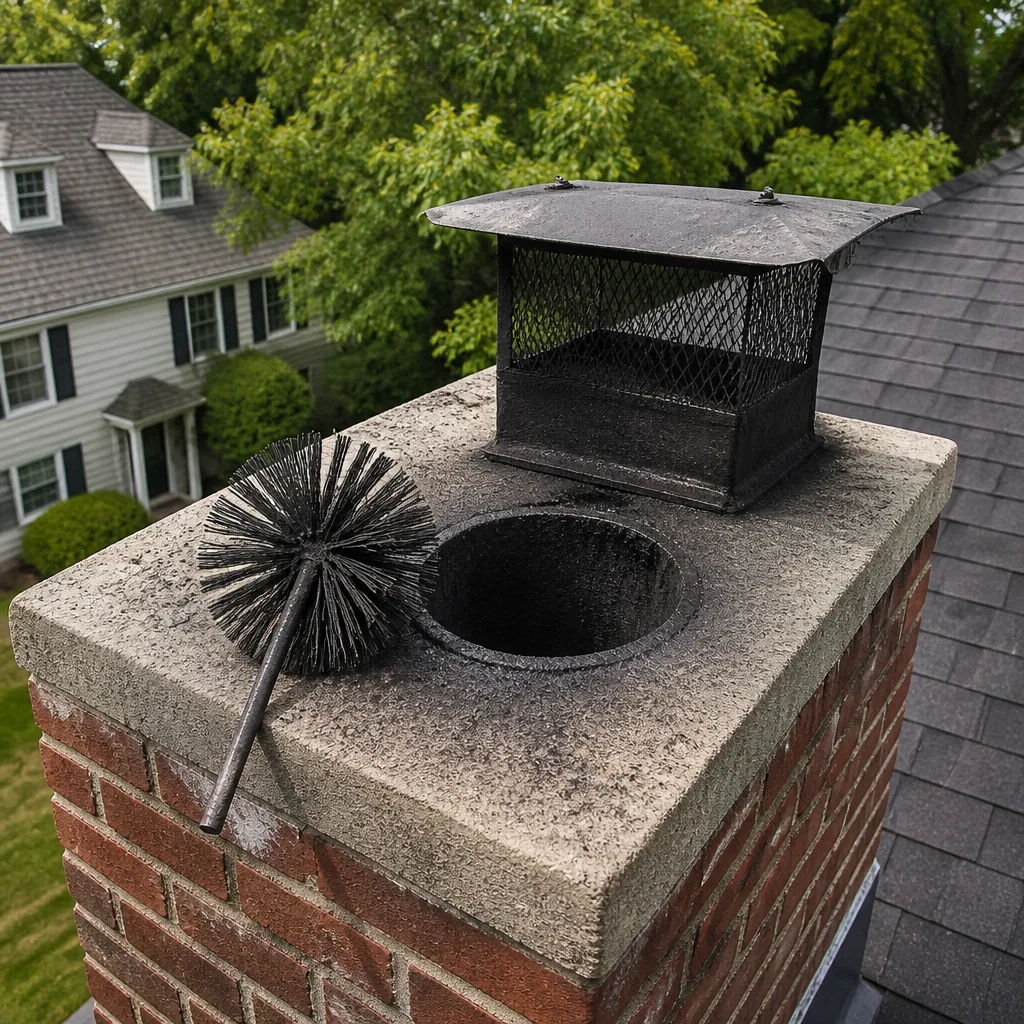 Sweep & inspection
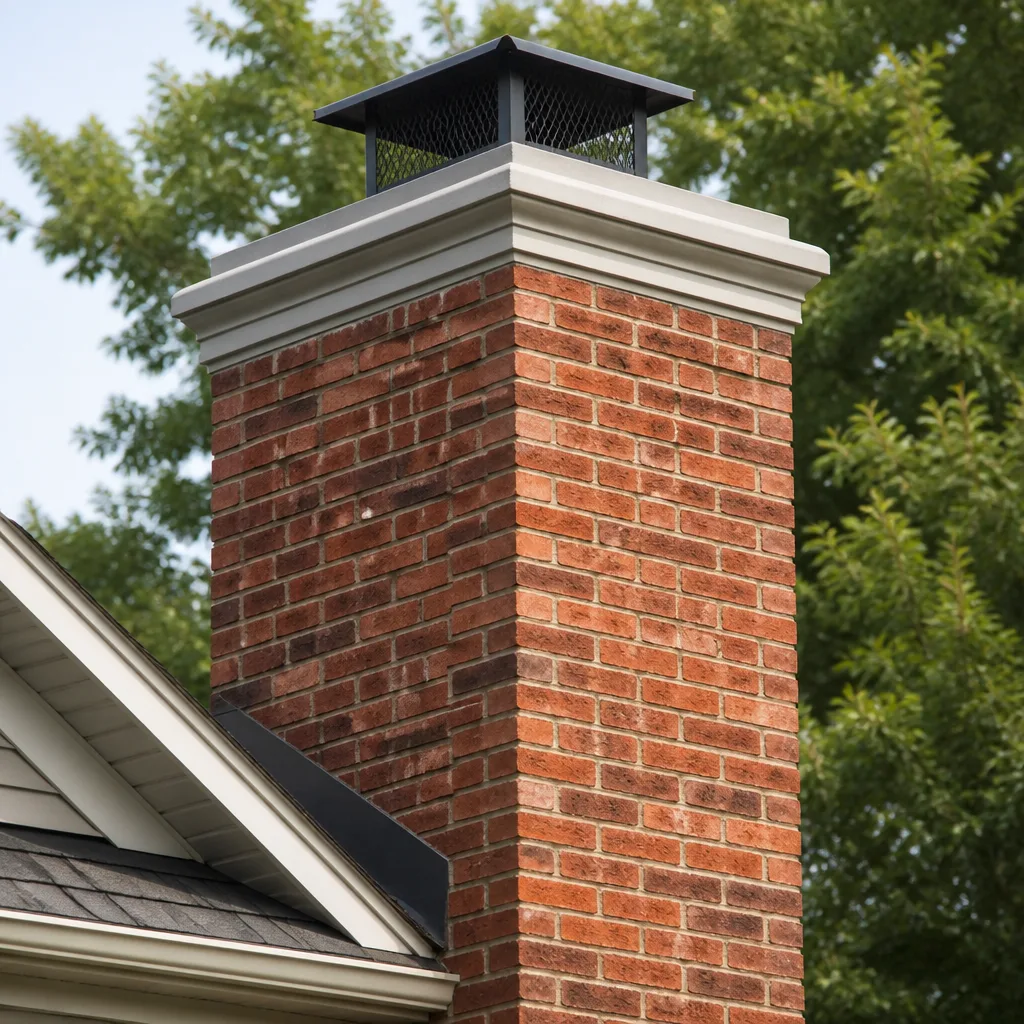 Caps & crowns
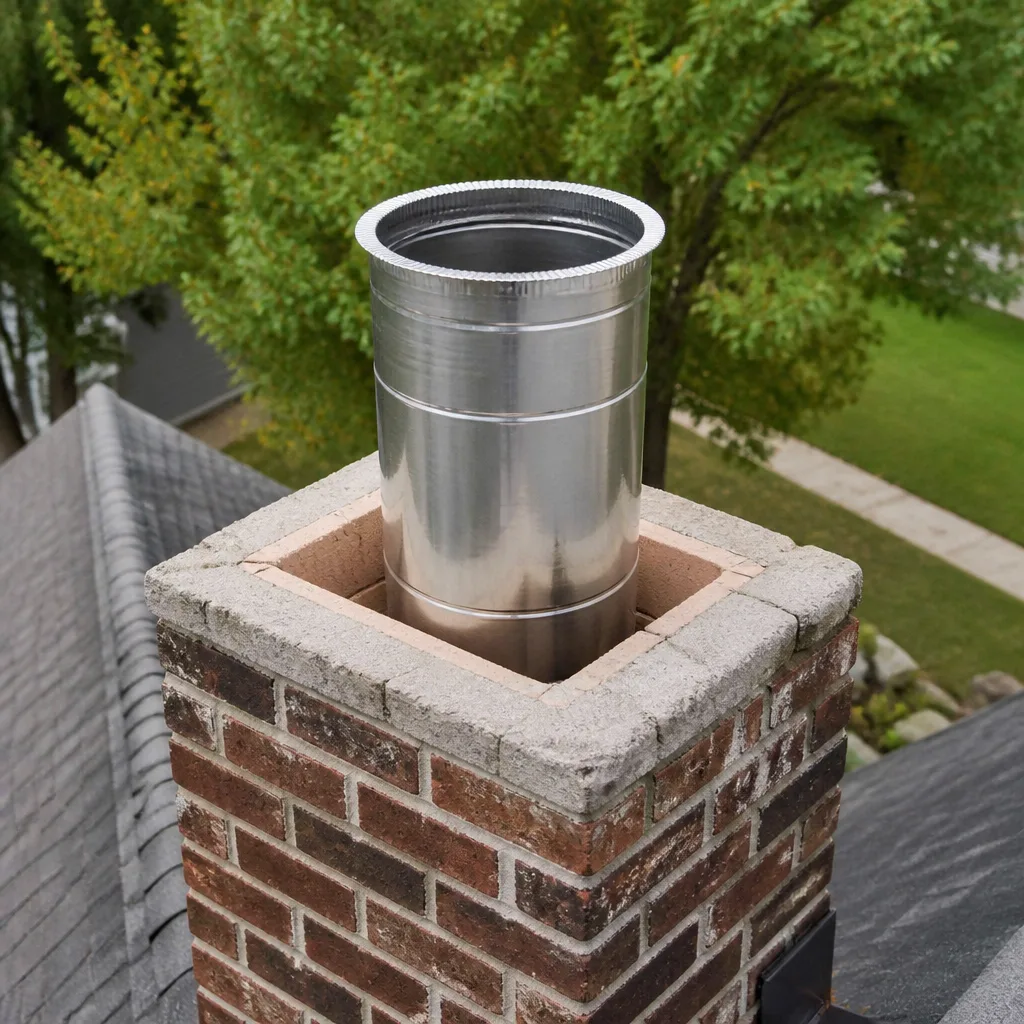 Flue relining
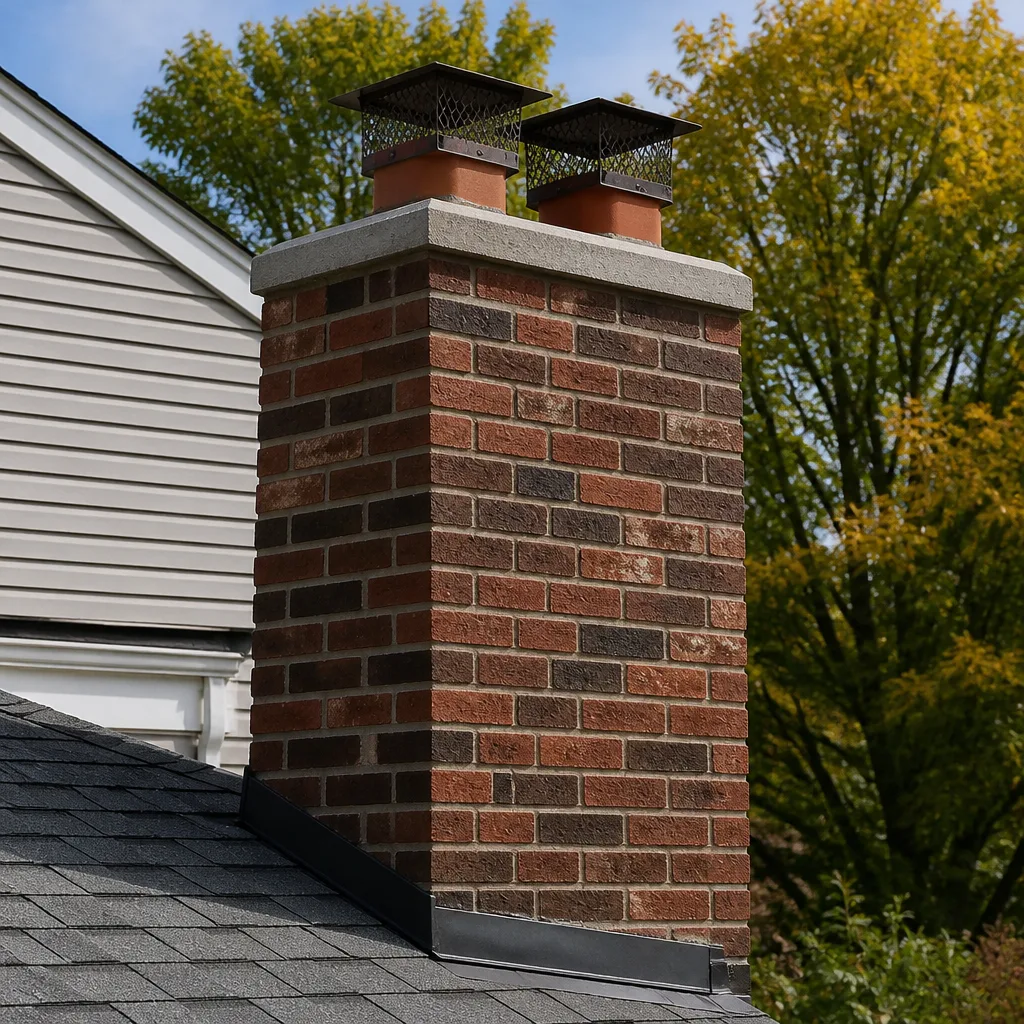 Masonry repair
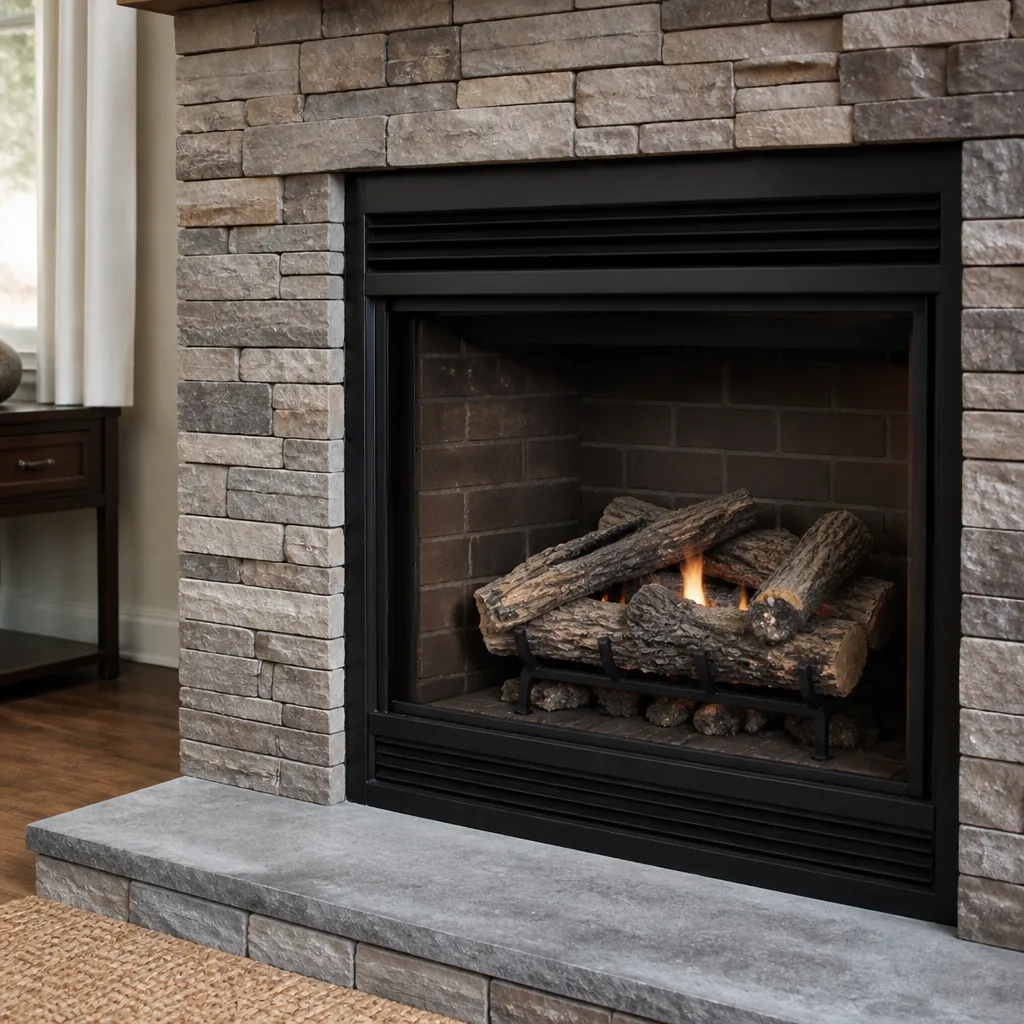 Gas fireplace service
Level 1 sweep and inspection to the NFPA 211 annual standard - flue, crown, cap, and flashing checked and photographed
Chimney sweep logs do not sweep chimneys. They loosen some creosote - which then falls where a brush and vacuum still have to collect it.
Chimney Cleaning Emergency Preparedness Guide for Meridian Homes
Most homeowners think of a chimney fire as something that happens to other people, in houses with dirty flues and neglected fireplaces. But the danger isn’t only creosote buildup. A blocked flue, a cracked liner tile, a damaged cap on a windy day, or a dryer vent packed with lint can all turn an ordinary evening into an emergency. What separates a contained scare from a structure-threatening event usually comes down to one thing: whether you knew what to do before it happened. This guide walks through the decision tree for chimney emergencies in Meridian – how to recognize an active chimney fire, what to do in the first 60 seconds, how carbon monoxide behaves differently from smoke, and what to document afterward. The goal isn’t to alarm you. It’s to make sure you’re not figuring this out while it’s happening.
Quick Answer
If you suspect an active chimney fire, get everyone out of the house, call 911, and do not re-enter until firefighters clear the structure. Close the damper and glass doors only if you can do it safely on your way out – this starves the fire of oxygen, but never delay evacuation to do it. After any chimney fire, the fireplace stays out of use until a Level II inspection confirms the flue is structurally sound.
Styles & brands we work with
- Sweep & inspection
- Caps & crowns
- Flue relining
- Masonry repair
- Gas fireplace service
Table of Contents
- How Do You Know If You Have an Active Chimney Fire?
- What to Do in the First 60 Seconds
- The Post-Chimney-Fire Protocol
- Carbon Monoxide Risk and Your Chimney
- Why Meridian’s High-Wind Days Raise the Risk
- What to Document After a Chimney Event
- Building a Prevention Routine for Meridian Homes
- What We See Across the Meridian Area
How Do You Know If You Have an Active Chimney Fire?
A chimney fire announces itself in a specific sequence of sounds, smells, and visible signs, but the signs differ depending on whether the fire is contained in the flue or has spread into surrounding framing. Contained chimney fires – the most common kind – burn inside the flue and are often quieter than people expect. Structure-threatening fires are louder, hotter, and visible from outside the house.
Signs of a contained chimney fire
- A low roaring or rumbling sound that resembles a distant freight train or a low-flying aircraft
- Loud cracking or popping noises from the fireplace or stove pipe
- A dense, dark plume of smoke from the chimney cap, sometimes with visible sparks
- A strong, acrid smell that isn’t the usual woodsmoke – often described as a hot, metallic, or tar-like burning
- Blackened or warped damper hardware, cracked flue tiles, or a puffy, honeycombed creosote residue visible after the fact
- Heat radiating from the chimney breast into the room, sometimes enough to discolor or blister paint
Signs the fire has left the flue
These are structure-threatening and require immediate evacuation and a 911 call, without exception:
- Smoke entering the living space from anywhere other than the firebox (wall outlets, attic vents, cracks in the chimney breast)
- Visible flames or glowing embers at the roofline, in the attic, or behind drywall
- Warping or discoloration of nearby wood trim, wallpaper, or paint within seconds
- A smell of burning wood where there shouldn’t be one – inside a closet, an attic, a wall cavity
- Any sign the fire has traveled past the chimney cap and onto roofing or siding
In our experience, homeowners in Meridian sometimes dismiss a roaring sound as wind in the flue or a nearby train. If you’re unsure, err toward evacuation. A false alarm costs an evening. A missed structure fire doesn’t.
What to Do in the First 60 Seconds
The first 60 seconds determine whether you contain the event or lose control of it. The correct sequence is evacuation first, contact second, mitigation third – and only if the mitigation steps don’t delay the first two.
- Get everyone out. Move all occupants, pets included, to a safe distance from the house. Do not stop to gather belongings, documents, or valuables. If there’s anyone unable to self-evacuate, tell the 911 dispatcher immediately.
- Call 911 from outside. Report a suspected chimney fire, give your address, and note whether you see flames or smoke from the roof or attic. Stay on the line until the dispatcher releases you.
- Close the fireplace glass doors and damper – only if you can reach them safely on your way out. Cutting the air supply starves the fire. But never re-enter a burning structure to do this. If the doors and damper aren’t on your direct path out, leave them.
- Shut off the gas or propane supply if the fireplace or stove is gas-fired and the shutoff is accessible from outside the structure. Do not go back inside to find it.
- Do not spray water into the flue. Water on a flue fire can crack hot tiles and force steam and smoke into the living space. A Chimfex-style flare, if you have one on hand and can deploy it without going inside, is designed for this exact purpose – but it doesn’t replace evacuation.
- Alert neighbors. If the fire is visible from outside the house, make sure the people in the adjacent homes know what’s happening.
- Stay out. Do not re-enter the structure until firefighters explicitly clear it, even if the smoke has died down.
One note specific to Meridian: on windy afternoons, smoke and embers can travel significant distances. If you see burning material landing in your yard or on a neighbor’s roof, tell the dispatcher. Roof and yard fires are worth a separate report.
The Post-Chimney-Fire Protocol
After a chimney fire, the fireplace stays out of use until a Level II inspection confirms the flue is sound. This is not optional, and it isn’t a formality. A fire that looked contained can leave hairline cracks in flue tiles that don’t show up to the eye but will vent smoke and carbon monoxide into the home the next time you light a fire.
Level II is the inspection level designated for post-fire evaluation because it uses video scanning. A technician runs a camera through the entire flue, top to bottom, and inspects not just the flue interior but the connector pipe, the firebox, the damper, the crown, the cap, and the visible exterior of the chimney. What the inspection specifically examines:
- Flue tile integrity: cracked, spalled, or displaced tiles – the most common post-fire damage and the primary CO risk
- Creosote residue: how much remains (glazed, third-degree creosote is the most serious) and where it sits
- Joints and mortar: whether gaps have opened between flue sections where smoke can escape into framing
- Connector pipe: warping, separation, or deterioration from heat
- Damper operation: warping is common; a stuck damper is both a safety and efficiency problem
- Crown and cap: cracking, spalling, or displacement on the chimney top
- Exterior clearances: any visible damage to the chimney structure where heat escaped
If the inspection finds cracked tiles but the flue is otherwise intact, HeatShield ceramic flue restoration is often the right repair. It resurfaces the existing flue in place, filling cracks and re-forming the inner wall without tearing out the original tiles. That matters in Meridian homes where a full liner replacement isn’t structurally necessary – it saves the cost of a tear-out and preserves the original chimney footprint. When the flue is too far gone or the configuration is offset or non-standard, a DuraFlex flexible liner is the correct next step, because it can route through older flue shapes that rigid liners can’t handle.
Either way, don’t relight the fireplace until you have the inspection report in hand. When you’re ready, our chimney sweep work always starts with a camera inspection, so nothing gets missed.
Carbon Monoxide Risk and Your Chimney
Carbon monoxide from a chimney is a different threat than chimney fire. It’s invisible, odorless, and doesn’t announce itself with a roar or a plume of smoke. The conditions that produce it are specific and identifiable – which means they’re also preventable if you know what to look for.
Conditions that create CO buildup
- Blocked flue: a bird nest, leaf pack, or heavy creosote accumulation stops exhaust from venting upward. The gas backs up into the living space.
- Cracked or displaced liner tiles: exhaust escapes through the crack into framing cavities and eventually into rooms. This is the most common post-fire CO cause and one of the reasons Level II inspection matters.
- Negative pressure: a tightly sealed modern home with a powerful exhaust fan (kitchen hood, bathroom fan, dryer) can pull combustion gases backward down the flue. Meridian’s newer construction often has tighter envelopes than older homes, which makes this a real concern.
- Blocked or undersized chimney cap: caps that are clogged or too restrictive can impede draft on still days.
- Improperly sized flue for the appliance: a flue that’s too large for the firebox cools the exhaust before it reaches the top, causing drafting problems and backdrafts.
Recognizing symptoms vs. responding to a detector alarm
CO symptoms in low doses mimic flu: headache, dizziness, nausea, fatigue, and confusion. In higher concentrations, symptoms escalate quickly to loss of consciousness and worse. The key indicator is that symptoms improve when you leave the house and return when you come back. If multiple people in the home feel the same “flu” symptoms at the same time, suspect CO.
A CO detector alarm is a different response. Treat it as an active emergency: evacuate immediately, call 911, and don’t re-enter until the fire department clears the structure and identifies the source. Do not open windows and try to “air it out” while staying inside. Don’t test the detector by pressing buttons. Get out.
For any home with a wood, gas, or pellet appliance, we recommend a CO detector on every level and in every sleeping area. In Meridian homes that heat with wood through the winter, the same rule applies to the chimney – it needs to be swept and inspected before the heating season, not after.
Why Meridian’s High-Wind Days Raise the Risk
Meridian sits in a high-desert valley where wind events are common, especially in spring and again in late fall. For chimney safety, those winds create two distinct problems, and both are worth planning around before the wind arrives.
Downdrafting
Strong wind passing over the chimney top can force air down the flue, pushing smoke and combustion gases back into the living space. Homes on exposed lots, at the top of a rise, or with tall trees near the roofline are more vulnerable. Downdrafting doesn’t usually produce dangerous CO levels on its own, but it can push a smoldering fire’s exhaust back into the room at unexpected times – including overnight. If you see smoke curling out of the firebox rather than going up the flue on a windy day, stop using the fireplace until you can investigate.
Ember spotting from cap damage
A chimney cap is a metal or masonry cover that keeps water, animals, and debris out. It also contains sparks and embers. When a cap is damaged, displaced, or missing, embers escaping the flue on a windy day can land on the roof, in gutters, or on dry vegetation in the yard. Meridian’s dry summers and fall winds make this a real fire spread risk. Some of the caps we install from Famco and Olympia Chimney are designed specifically for high-wind and ember-prone areas.
Preventive measures for windy-season exposure
- Have the cap inspected at the start of every fall season, before the windy weeks begin
- Confirm the cap is sized correctly for the flue and securely attached to the crown
- Clear dry vegetation and debris at least 10 feet from the chimney structure and roofline
- Trim overhanging tree branches back from the flue by at least 10 feet
- Install a wind-directional cap if downdrafting is a recurring issue
- Keep gutters clear so burning embers don’t ignite accumulated leaf litter
What to Document After a Chimney Event
The documentation you collect in the hours after a chimney event has a direct effect on how your insurance claim resolves. Most policies treat chimney fires as a covered peril, but the claim is only as strong as the evidence behind it. Insurance adjusters rely on photographs, written reports, and specialist findings – and they respond better when those exist before they arrive.
What to photograph
- Exterior of the chimney, top to bottom, including the cap and crown – from multiple angles if possible
- Interior of the firebox and the visible damper hardware
- Any interior damage: discolored paint, warped trim, smoke stains on walls or ceilings near the chimney
- The area around the chimney on the roof, including the flashing and any nearby damaged roofing
- Any visible creosote residue or damage inside the firebox opening
- Your CO detector (if it alarmed) – photograph the reading if it’s a digital model
What to write down
- Date and time you first noticed the fire
- What you saw, heard, and smelled, in your own words – the more specific, the better
- When you evacuated and when the fire department arrived
- Names and badge numbers of responding firefighters if you have them
- Any repairs you made or attempted after the fire (there should be none until inspection, but note anything you did)
Why calling a sweep before your adjuster arrives matters
The inspection report from a Level II camera scan tells your insurer exactly what’s damaged and how. It converts “I think my chimney fire damaged my flue” into a documented finding with photographs and structural detail. Adjusters work from evidence. A written report from a specialist positioned before they arrive usually produces a faster, cleaner claim resolution than a verbal description.
If the fire involved a dryer vent rather than the chimney, the same principle applies. Lint fires behave differently but damage the same way, and our dryer vent cleaning team can document the vent routing, blockage, and heat damage in the same format your insurer will expect.
Building a Prevention Routine for Meridian Homes
Chimney emergencies are preventable in almost every case. The routine that works in Meridian is the same routine that works anywhere dry wood is burned – annual inspection, appropriate sweep frequency, correct equipment, and a home safety plan you’ve actually practiced.
The annual routine
- Schedule a chimney sweep and Level I inspection in the fall, before you light the first fire. This is when soot, creosote, and blockages from the summer are caught before they become winter problems. A Level I inspection is visual and fast; it catches most issues when they’re still small.
- Schedule a sweep based on how much you burn, not just once a year. Light use is roughly a cord of wood a year; moderate use is two to three cords; heavy use is more. A chimney that sees a cord per year can usually be swept annually, but heavier wood heat requires more frequent sweeps. Ask for a camera inspection every time and review the report.
- Get your dryer vent cleaned annually as well. Dryer vents are the other fire hazard in your home, and lint accumulates faster than most people realize. In our experience, this is the one regular service homeowners skip most often, and it shouldn’t be.
- Test CO and smoke detectors monthly. Replace batteries at the start of fall and spring.
- Have the cap inspected and resecured before windy season, and after any major storm event.
- Keep a fire extinguisher rated for chimney and wood fires in the room, plus a Chimfex flare if your firebox configuration supports it.
- Write a home evacuation plan and practice it once a year. Include where the CO detector is, where the gas shutoff is, and where everyone meets outside. The plan only works if the family has rehearsed it.
Materials matter
When a repair is needed, the materials matter as much as the labor. Some of the components we install come from a curated professional lineup – Gelco, Famco, Olympia Chimney, Copperfield – so we can put in a cap, damper, or venting component that’s rated for the application rather than a general-commodity substitute. When it comes to flue restoration, HeatShield is the standard we use for tile resurfacing. When a full liner is the right call, DuraFlex is our flexible system – because it handles aged, offset, or complex configurations that call for flexibility, not the easiest-to-install rigid liner.
What We See Across the Meridian Area
Meridian spans a wide range of housing types, and the chimney concerns shift by neighborhood. Downtown Meridian and the older streets around the Meridian city core have houses with original masonry chimneys that often need HeatShield restoration or a liner retrofit because the tile work has aged. The newer subdivisions on the east and south sides tend to have factory-built fireplaces and pre-fabricated chimney systems that call for specific manufacturer-compatible components – Famco and Olympia Chimney are the kinds we reach for most often in those homes. Northwest Meridian and the edge of the valley have homes on exposed lots where wind downdrafting is a repeated winter issue, which makes a wind-directional cap the right preventive move.
Very few homes have a chimney that’s actually failing without some visible sign. What we find most often in a routine Meridian inspection is early-stage damage that can still be corrected with a straightforward repair. That’s the whole reason we recommend getting eyes on the chimney before any emergency happens. A camera inspection and photograph report are part of every job, and we walk you through the findings so you can see what the camera sees.
Common Mistakes to Avoid
- Relighting the fireplace right after a chimney fire because the smoke has cleared. A cleared firebox isn’t evidence the flue is safe. Cracks and tile displacement do not self-report.
- Treating “smoke backing up into the room” as a normal drafting quirk. Downdrafting is common in Meridian’s windy neighborhoods, but backing smoke can also signal a blocked flue or a liner crack. Any change in fireplace behavior deserves inspection.
- Assuming a CO detector on the main level covers the whole house. Carbon monoxide mixes unevenly in tight construction. Put a detector on every level and outside every sleeping area.
- Using a chimney sweep who doesn’t do camera inspection. Visual-only sweeps miss internal damage that the camera catches. Ask every sweep service if a camera inspection and photograph report are included.
- Ignoring a damaged cap because it’s small. A displaced or rusted cap is a direct path for water intrusion, animal entry, and ember spotting. It’s a cap swap, not a rebuild – fixing it early is straightforward.
- Neglecting the dryer vent in favor of the chimney. Both are fire hazards. Lint accumulation in a dryer vent can fail the same way creosote does, and the same rules apply.
- Skipping documentation after a chimney event because “the insurance will figure it out.” Adjusters work from evidence. Document first, then call – the inspection report follows from there.
See the difference
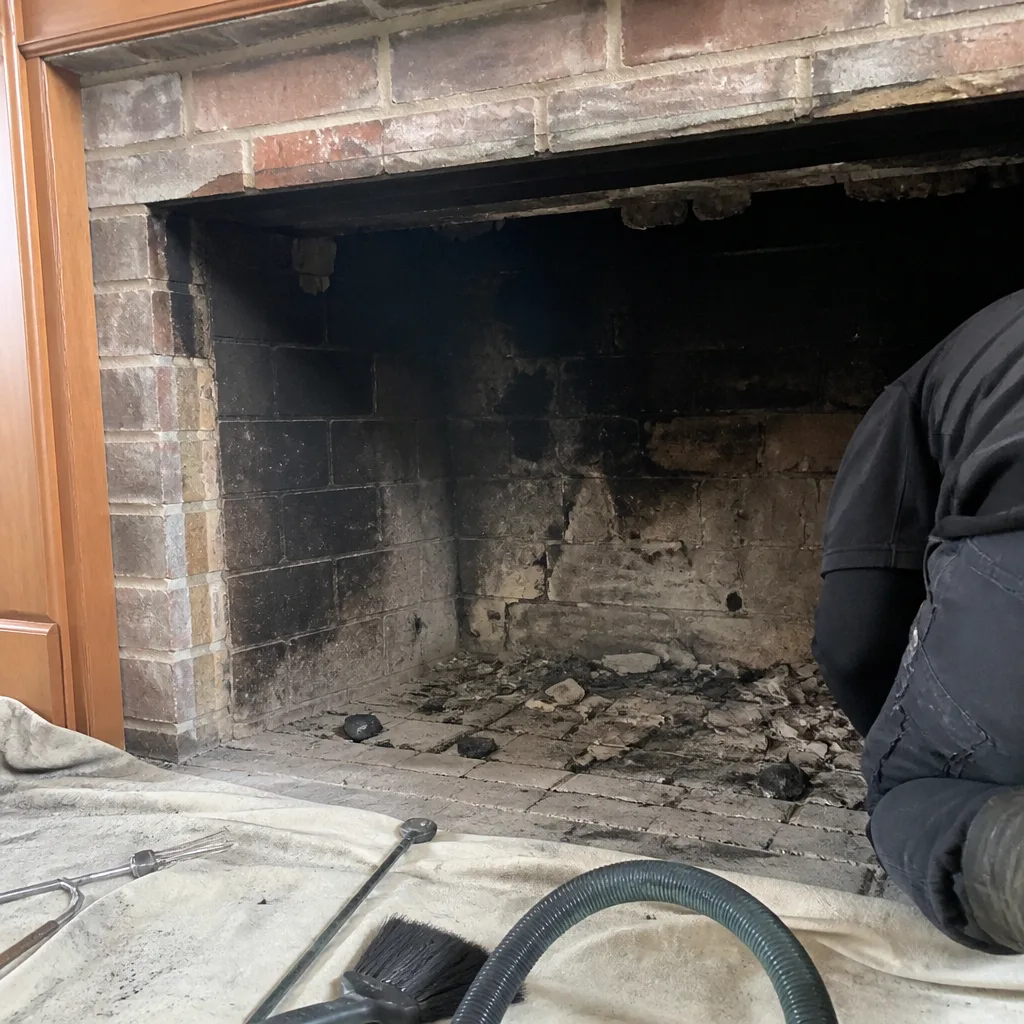 Before
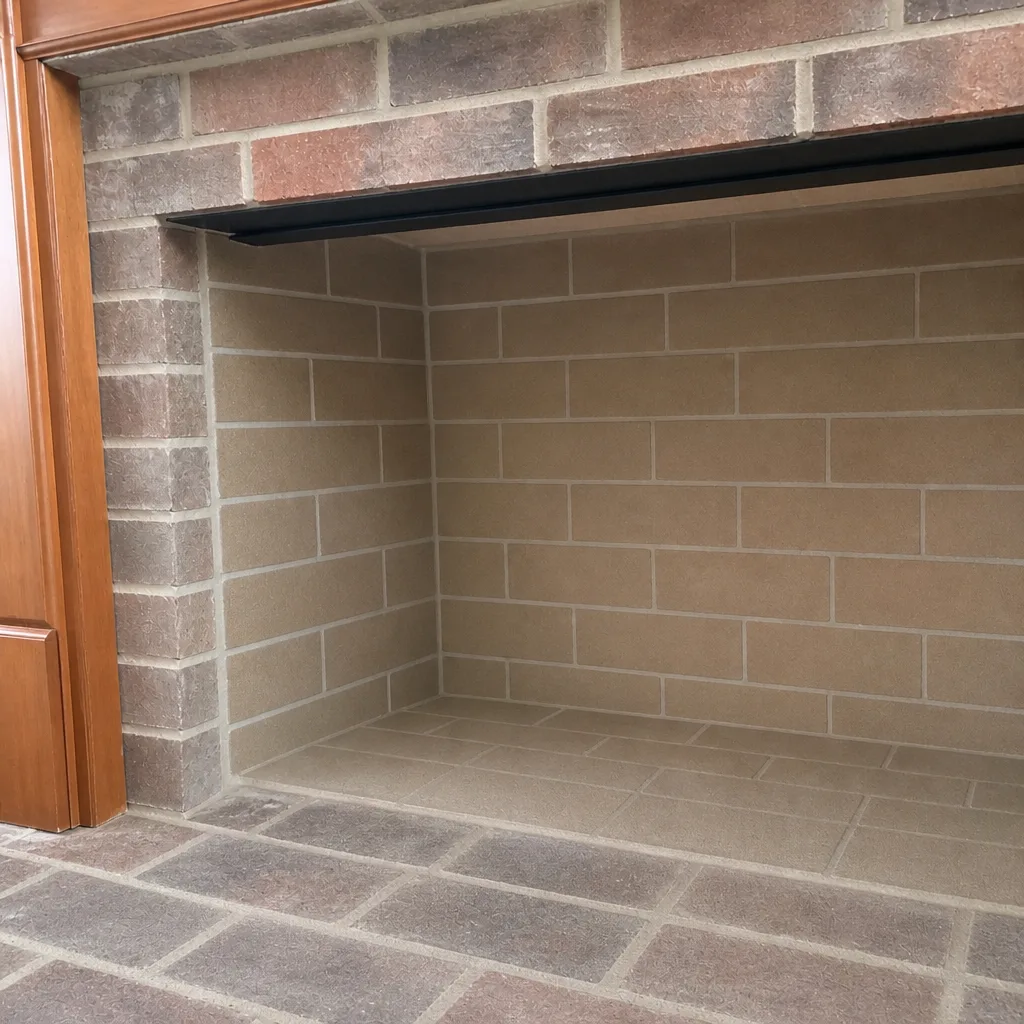 After
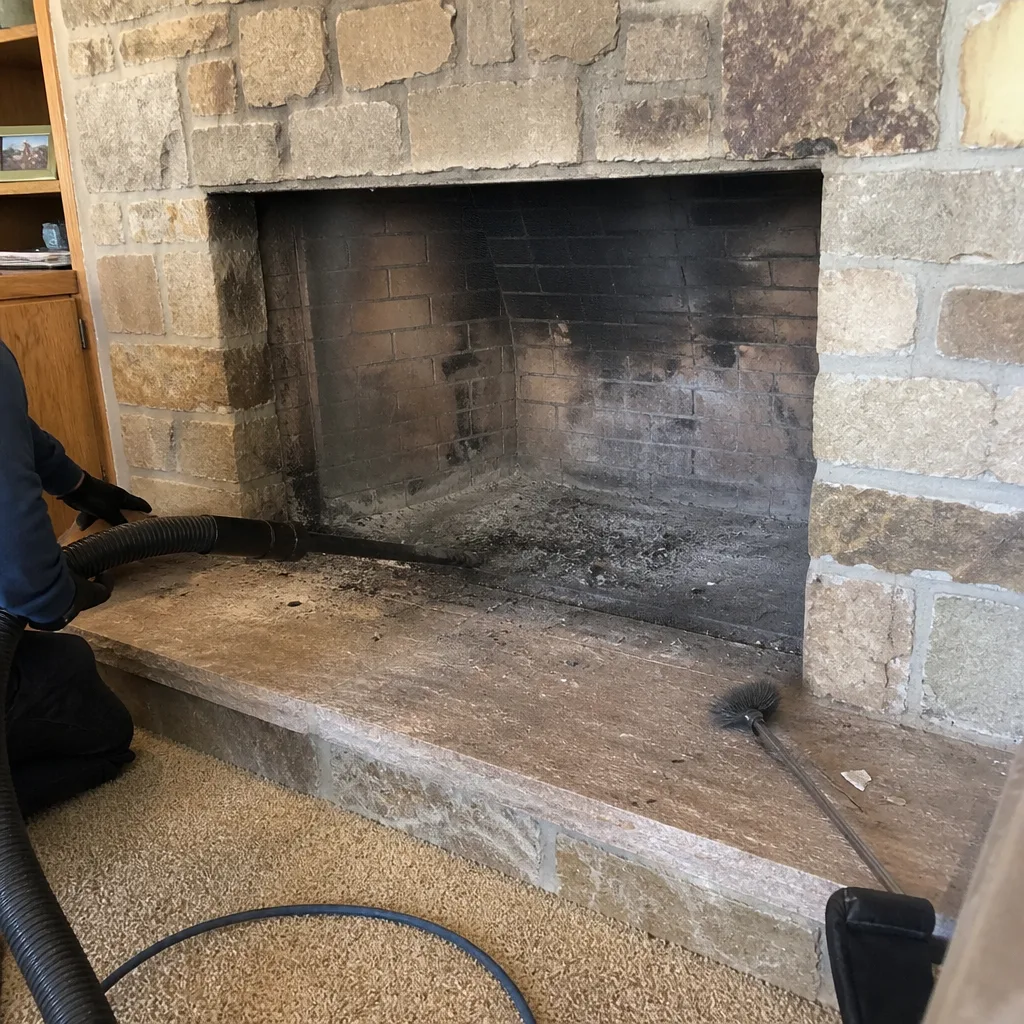 Before
 After
 Before
 After
When to Call a Professional
Call a professional sweep when you notice any change in fireplace behavior – smoke backing up, reduced draft, a stronger smell than usual, a visible spark plume, or a roaring sound from the flue. Call for any post-fire inspection, whether or not the fire department was involved. Call before the heating season for an annual sweep and camera inspection, and call ahead of windy weeks if you don’t know the condition of your cap. Call for annual dryer vent cleaning as well – the two are the same fire-safety standard. If you’re buying a home in Meridian, get a Level II inspection before closing. Our Chimney Sweep Meridian team carries the parts and materials needed to resolve most findings in a single visit – sweep, repair, done. Call (866) 361-7607. We answer 24/7. Fast dispatch from 7am to 7pm, Sunday through Friday. Estimates are free, and the written estimate sets the final price.
Frequently Asked Questions
A chimney fire leaves specific evidence: warped damper hardware, cracked flue tiles, puffy or honeycombed creosote inside the flue, a roaring sound you can’t attribute to wind or a train, or a hot metallic smell you can’t trace. If you suspect one, don’t relight until a Level II inspection confirms the flue is sound. A camera scan finds what a visual look can’t.
Yes, but only if you can do it safely on your way out. Closing the damper and glass doors starves the fire of oxygen and helps contain it. Never delay evacuation or re-enter the house to do this. Evacuation and the 911 call come first, every time.
Annually at minimum, and more often with heavier wood use. Light use (about a cord per year) usually warrants an annual sweep; moderate use (two to three cords) may need sweeping mid-season; heavy use warrants more frequent sweeps. A camera inspection every time tells you what’s actually inside the flue. Call (866) 361-7607 to schedule – estimates are free.
A Level I inspection is visual and covers easily accessible portions of the chimney. A Level II inspection is video-scanned and covers the full flue interior, connector pipe, crown, and cap. You need Level II after a chimney fire, after any change in venting, and when buying a home. In our experience, Level II catches damage Level I misses.
Yes. Wind downdrafting can force combustion gases back down the flue into the living space, and cracks in a liner can vent CO directly into framing. That’s why we recommend a CO detector on every level and an annual camera inspection before each heating season. Windy-season prep for your cap is worth doing in early fall.
Call the sweep first. A Level II inspection report from a specialist gives your insurer documented evidence of what was damaged and how. Adjusters work from evidence, and a written report with photographs positioned ahead of their visit produces cleaner claim outcomes. Then call your adjuster with the report in hand. Call (866) 361-7607 for the inspection – estimates are free.
The Bottom Line
Chimney emergencies are rarely spontaneous. They come from creosote buildup, cracked liner tiles, blocked flues, damaged caps, and the wind behavior that Meridian sees every spring and fall. The preparedness checklist is short: know the signs of a contained fire versus a structure-threatening one, know the evacuation sequence, get a Level II inspection after any event, keep working CO detectors on every level, and schedule the annual sweep before the heating season. The rest takes care of itself when a specialist you can call once handles sweep, repair, and dryer vent work under one roof. We’d rather see your chimney in September than after a chimney fire in January.
Schedule Your Chimney Inspection in Meridian
If you’ve read this far, the next step is straightforward: get eyes on the chimney before anything happens. Chimney Sweep Meridian provides free estimates for chimney sweeping, chimney repair, and dryer vent cleaning across Meridian and the surrounding area. Our technicians have up to 15 years of experience, and every job includes a camera inspection and photograph report so you see exactly what the camera sees. Call (866) 361-7607. We answer 24/7. Fast dispatch from 7am to 7pm, Sunday through Friday.
Written by the team at Chimney Sweep Meridian.