
Last updated November 14, 2026
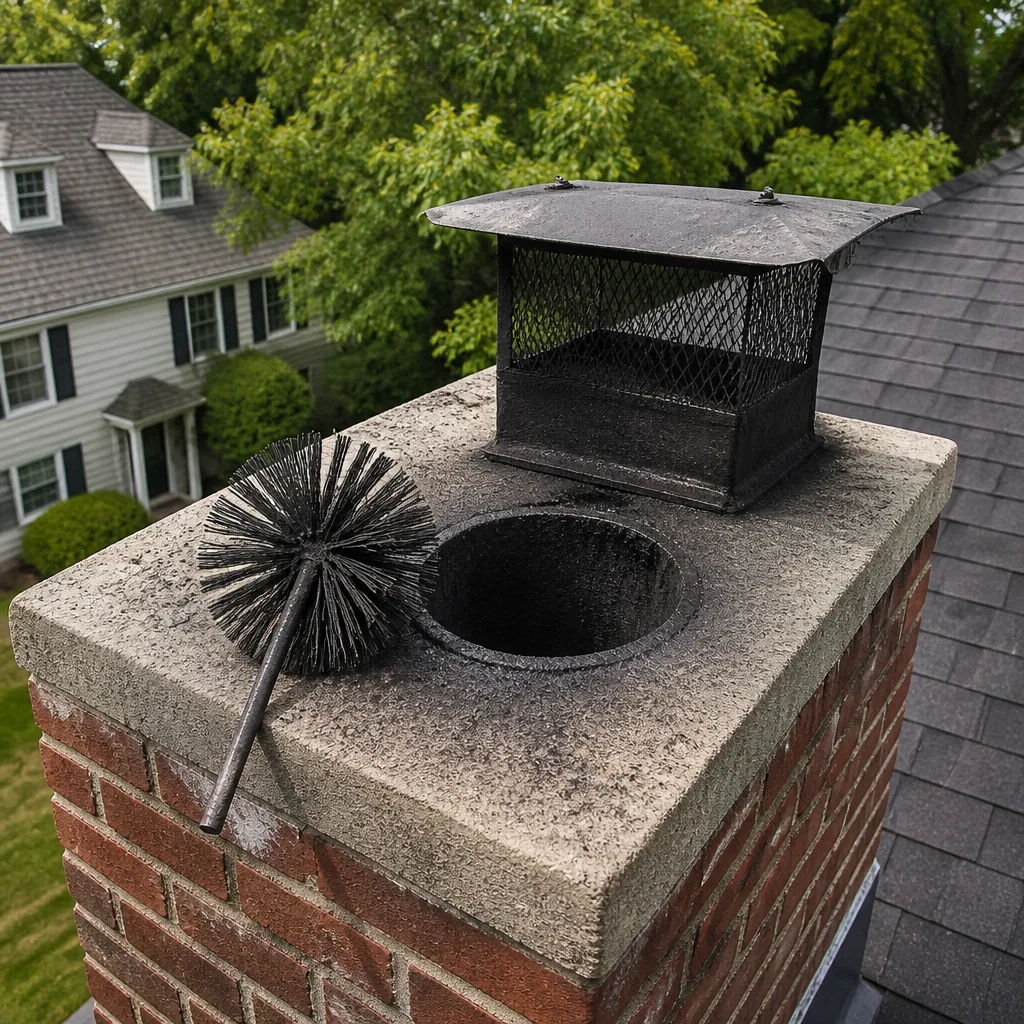 Sweep & inspection
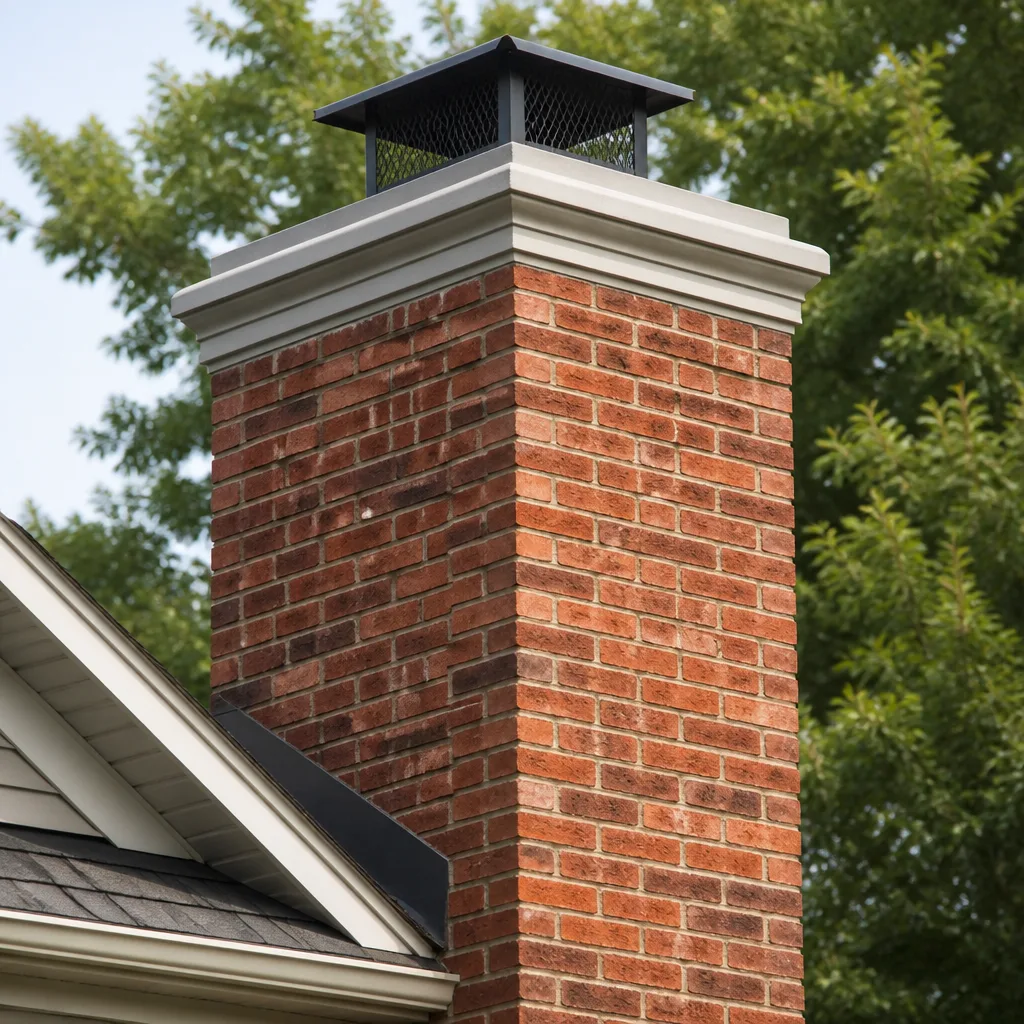 Caps & crowns
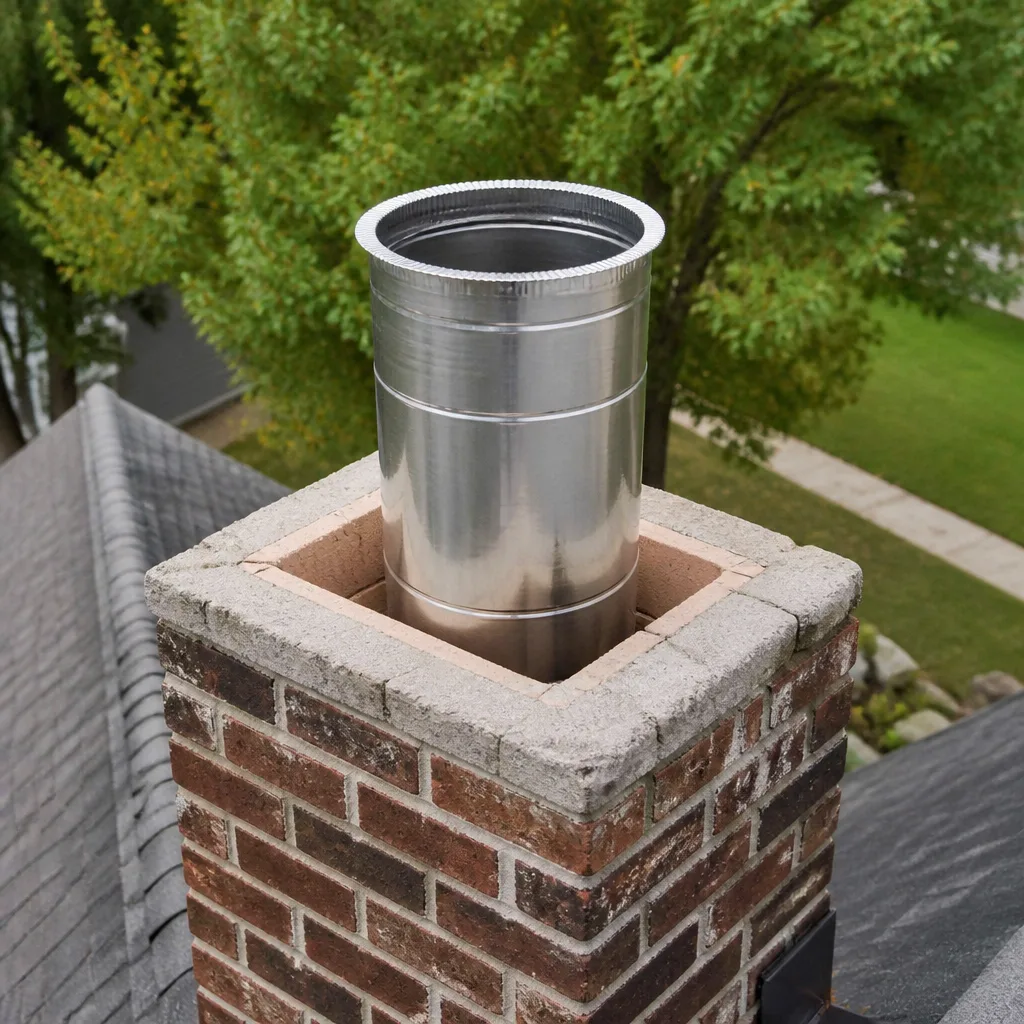 Flue relining
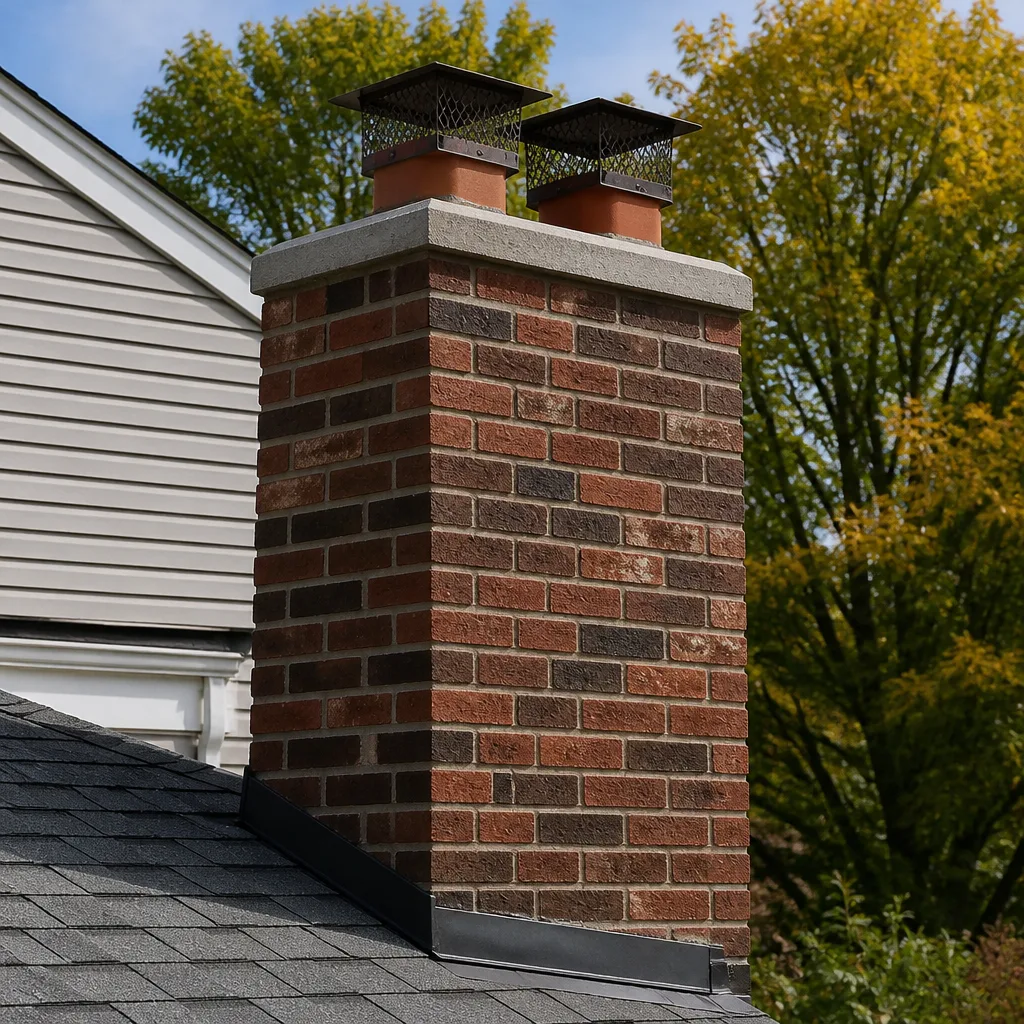 Masonry repair
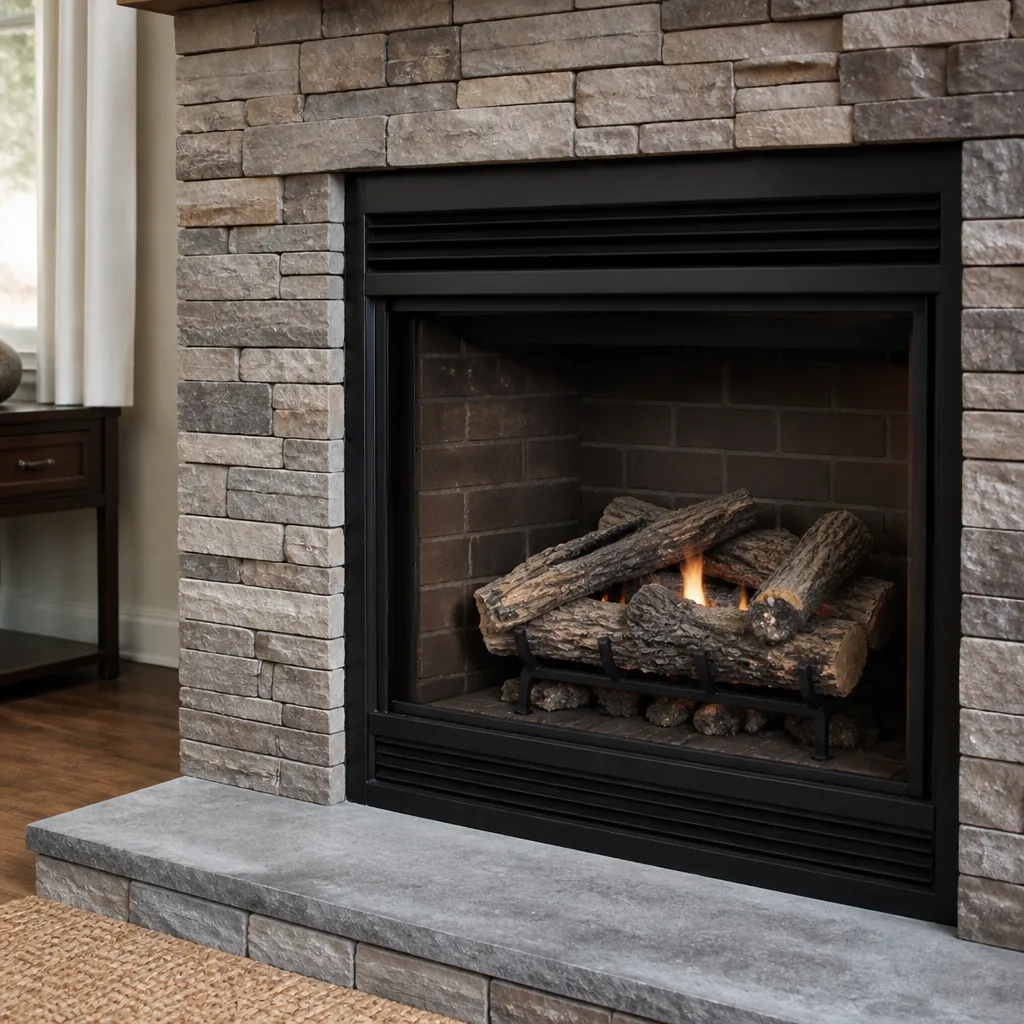 Gas fireplace service
Level 1 sweep and inspection to the NFPA 211 annual standard - flue, crown, cap, and flashing checked and photographed
Chimney sweep logs do not sweep chimneys. They loosen some creosote - which then falls where a brush and vacuum still have to collect it.
Chimney Cleaning Cost Breakdown: The Meridian Homeowner’s Reference for 2026
An $89 chimney cleaning is almost never really $89. The price exists to get a technician through your front door, and the revenue shows up later in the visit – often as a repair recommendation you have no easy way to verify. That’s the honest starting point for understanding chimney cleaning cost in Meridian, because the number on the ad tells you nothing about what the work actually involves or what you’ll be quoted once someone is standing in your living room.
This guide breaks the real numbers down: what cleaning alone should cost, what inspections and camera work legitimately add, which home and flue factors actually move the price, and how to tell a genuine finding from an upsell. By the end you’ll be able to read a quote the way a technician reads a flue.
Quick Answer
Chimney cleaning in Meridian typically runs $150 to $350 for a standard sweep with a Level I inspection, and a camera inspection adds roughly $75 to $150 on top. Quotes below about $99 are usually entry pricing for a limited sweep, with repairs or liners quoted after the technician arrives. The written estimate you receive after inspection is what sets your final price.
Styles & brands we work with
- Sweep & inspection
- Caps & crowns
- Flue relining
- Masonry repair
- Gas fireplace service
Table of Contents
- What’s Actually in a Chimney Cleaning Quote?
- What a Level I Inspection Adds, and What Camera Work Justifies
- How Your Meridian Home Changes the Price
- The Repair Upsell Problem: Real Finding or Sales Script?
- Deferred Maintenance: What 3 to 5 Years Without a Sweep Actually Costs
- What Fair-Priced Work Should Include
- Chimney Service Prices at a Glance
- Frequently Asked Questions
What’s Actually in a Chimney Cleaning Quote?
A chimney cleaning quote is really three prices stacked together: the sweep, the inspection that’s supposed to accompany it, and any camera work or repair that the inspection uncovers. Most low-bid ads strip the quote down to just the sweep – a basic brushing of the flue with a quick look from the firebox – and treat the other two as separate line items. That’s why the same “chimney cleaning” service gets quoted at both $89 and $300.
Here’s what a legitimate cleaning line item typically covers, so you can compare quotes apples-to-apples:
- The sweep itself: brushing the flue from the firebox or roof, removing creosote and soot from the flue walls, smoke chamber, smoke shelf and damper area. A real sweep in a working wood-burning fireplace usually means roughly 45 minutes to an hour and a half of hands-on labor.
- Firebox and hearth cleanup: removing ash, soot and debris from the firebox floor and any grate, and setting a drop cloth so your home stays clean. A quote that doesn’t mention cleanup is likely to skip it.
- A basic inspection (Level I): a visual check of the firebox, damper, flue interior and the accessible parts of the chimney exterior. This is where a technician first notices cracked tiles, a deteriorated damper, or a creosote glaze that needs more than a brush.
- Disposal and reporting: bagging the debris and giving you a written summary of what was found. Some companies charge disposal as an add-on; a fair quote bakes it in.
In our experience, a standard Meridian sweep – a single flue in a working fireplace – lands somewhere in the $150 to $350 range once you account for the inspection and cleanup. The lower end fits a clean, accessible, single-story flue that hasn’t been overused. The upper end covers a multi-flue chimney, a substantial creosote load, or a home where the technician spends extra time on the smoke chamber.
What you shouldn’t see on a clean quote is a “creosote removal fee” tacked on mid-job without explanation, a “flue treatment spray” that isn’t a real product category, or a separate charge to take photos of what the technician already found. Those are signals that the entry price wasn’t the real price. If you’d like a straightforward starting point, a chimney sweep visit here comes with the inspection and a written report, so you know what you’re paying for before anything else is discussed.
What a Level I Inspection Adds, and What Camera Work Justifies
A Level I inspection is the visual check that ought to be part of every cleaning, and it’s usually bundled into the sweep price. Camera inspection is a separate, more thorough service that adds real value in specific situations – and is pure upcharge in others. Knowing which is which protects you from paying for camera work you don’t need, or being denied it when you do.
What each level actually includes:
- Level I inspection (bundled with the sweep): accessible visual check of the firebox, damper, flue interior as far as you can see from the firebox opening, and accessible exterior chimney surfaces. No camera, no roof access. This is enough for a fireplace in continuous use with no known problems.
- Level II inspection (camera): a camera pushed the full length of the flue to see behind offsets, past the smoke chamber, and into areas the eye can’t reach. Justified when you’ve moved into a home, changed appliance or fuel type, survived a chimney fire, or had water intrusion or storm damage.
- Level III inspection: the parts of the chimney that require opening walls or removing components to access. Rare, and typically only when a Level II finds a defect that can’t be resolved otherwise.
Camera inspection is where a fair quote earns its fee. A proper camera run takes time – threading a camera through offsets, lighting the flue, capturing stills and video, and reviewing the footage with you. A quote of $75 to $150 for a Level II inspection is reasonable in Meridian when it includes that photo and video record you get to keep. A quote that skips the record, gives you a verbal “everything looks fine upstairs,” or won’t show you the images is charging camera money for a Level I look.
We use camera inspection as a diagnostic before recommending any liner or flue repair. When a camera shows cracked tiles, gaps at the joints, or a deteriorated smoke chamber, the recommendation is anchored in something you can see. When it doesn’t, and a company is still recommending costly repair, that’s your cue to ask for the images and walk away if they aren’t forthcoming. Our technicians have up to 15 years of experience reading flue interiors, and they’ll show you exactly what’s in the recording.
How Your Meridian Home Changes the Price
Meridian’s housing stock spans several decades and several flue configurations, and the physical layout of your chimney is the biggest legitimate driver of price variation from one home to the next. Two houses on the same street can quote $150 apart because of what’s above the roofline and how the flue was built, and that difference is real.
Here’s what actually moves the price, and why each factor matters:
- Chimney height: a taller chimney means more flue to brush and more time on the roof. A single-story flue is a shorter job than a two-story stack, and a stack that clears a steep roofline takes longer to access safely.
- Flue configuration – single vs. multi-flue: a single-flue chimney is one sweep. A multi-flue chimney – common in homes with a fireplace plus a furnace flue, or two fireplaces on different floors – requires sweeping each flue separately, and each adds time and labor.
- Liner type: a clay tile liner is the default in older Meridian homes and sweeps predictably. A stainless steel liner, installed after a prior repair, changes the brushing approach – flexible liners require gentler techniques and specific brush types so the liner isn’t scored. A home with a steel liner isn’t harder to sweep, but the technician has to know the difference.
- Offset flues: a flue with a bend or offset – common in homes where the fireplace and chimney aren’t directly aligned – takes longer to brush cleanly and often needs camera inspection to confirm a full sweep.
- Roof pitch and access: a steep roof or a chimney with restricted roof access adds setup and safety time. That’s not a markup; it’s legitimate labor.
Meridian’s dry, cold-winter climate also matters. Homes here run wood-burning fireplaces hard through a long heating season, and that builds creosote faster than a milder climate would. A fireplace used most winter evenings can accumulate enough creosote to require more than a routine brush by late winter, which is one reason a Meridian sweep quote sometimes lands above a national average. If you’ve been putting off a sweep for a season or two, Meridian homes with heavily used wood fireplaces often need a heavier cleaning and a Level II camera check to be sure nothing’s been missed.
The Repair Upsell Problem: Real Finding or Sales Script?
Most chimney repair recommendations are honest. Some aren’t, and the difference usually comes down to one question: can the technician prove it with evidence you can see? The $89 entry-price model works because the company makes its money after the sweep, and the recommendation that follows can range from a genuinely necessary liner to a sales target that’s had a number attached to it.
How to tell a real finding from a sales script, in practice:
- Ask for the camera footage. A legitimate finding is one a technician can show you – on the screen, in a still, or in a written report. If the company found a cracked tile, you should see the crack. If they can’t or won’t show it, treat the recommendation as unverified.
- Ask what fails if you wait. A deteriorated damper or a small crack in a flue tile often doesn’t require same-day repair. A technician who can’t articulate the failure mode – smoke spillage, carbon monoxide risk, water intrusion, loss of draft – is reciting, not diagnosing.
- Watch for scope inflation. A recommendation to reline an entire chimney when the actual problem is one joint is a common upsell. Ask specifically which sections are damaged and why the repair can’t be limited to those sections.
- Get a second opinion on liner work. Liner replacement is the most expensive common recommendation, and it should hold up to scrutiny. A second inspection from a different company – ideally one that can show you the footage – is a reasonable step before committing.
- Be wary of the “same-day discount.” Repair decisions made under time pressure are rarely good decisions. Take the report home, read it, and compare.
We’ve seen the other side of this too – homeowners who deferred a liner repair on a legitimate recommendation and ended up with a bigger problem. The point isn’t to distrust every recommendation; it’s to insist that every recommendation is anchored in evidence. That’s why HeatShield ceramic flue restoration matters as an alternative to full relining: when the damage is to the tile surface rather than the structural integrity of the flue, resurfacing can be the right fix and the smaller bill, and not every sweep company can offer it. A DuraFlex flexible liner handles the cases where a rigid liner won’t fit the offset or older flue configuration, so the right fix is chosen for the flue rather than the easiest one to install. Code-ready and camera-inspected means exactly that – the fix is chosen by what the flue needs, not by what’s in stock.
Deferred Maintenance: What 3 to 5 Years Without a Sweep Actually Costs
If your chimney hasn’t been cleaned in three to five years, the cleaning itself gets more involved, and the likelihood of a repair finding goes up. That’s not a scare tactic; it’s how creosote and moisture behave in a flue that hasn’t had a working inspection in that long. Here’s what a homeowner in that situation should actually expect.
First, expect a longer sweep. A fireplace used through several heating seasons without a cleaning accumulates a heavier creosote load. A light, sooty deposit brushes out quickly; a glazed, tar-like creosote – the stage that forms when flue temperatures run hot and the deposit bakes onto the tile – takes considerably more time and sometimes requires chemical treatment before brushing. A quote that assumes a light sweep will come in low and then climb once the technician sees the flue; a fair quote for a deferred chimney accounts for the heavier load from the start.
Second, expect a Level II camera inspection to be warranted. When a flue hasn’t been inspected in years, the camera is how you find out whether the delay caused damage. Cracked flue tiles, deteriorated mortar joints at the tile seams, and evidence of a past chimney fire are all things the eye can’t reach. The camera inspection is the honest line item here, and skipping it to save $100 is the wrong economy.
Third, expect a higher chance of a repair recommendation – and verify it. A flue that sat for three to five years is more likely to need a damper repair, a crown repair, or in the worst case a liner. That recommendation may be entirely legitimate. The camera footage and written report are how you tell. Ask for them.
What you should not expect is a deferred-maintenance cleaning to come in at $89. A quote at that price assumes a light-load, single-flue sweep – and if your chimney hasn’t been touched in years, the company either didn’t ask or knew the number wasn’t real. If it’s been that long, it’s worth booking a Chimney Sweep Meridian visit so the inspection is done before any cleaning recommendation is made, and you have a written record of the condition of the flue.
What Fair-Priced Work Should Include
A price is only one half of value. What you get for it – the documentation, the follow-up, and what happens if something’s wrong after the technician leaves – is the other half. The absence of those things is often what makes a $99 quote “cheap” in the first place.
At a fair price point, a Meridian chimney cleaning should include:
- A written report. Not a verbal summary – a document you can keep, with the inspection findings, the condition of the flue, and any recommendations. If a company only communicates findings verbally, ask why.
- Photo or video evidence of any defect. A report that says “liner deterioration found” without an image is asking you to trust a claim you can’t check.
- A flat price agreed before the visit. The written estimate should set the price for the sweep and inspection, with any repair work quoted separately after the inspection. A quote that changes based on what the technician discovers isn’t a quote.
- A documented cleanup. The work zone should be left clean, and the technician should walk you through what was done before departing. Ask whether cleanup is included at the time of booking – a company that hesitates is telling you something.
- A clear follow-up policy. If something seems off in the weeks after the visit – a draft problem, a lingering odor, a damper that catches – a fair-priced company will come back and look. A low-bid company that disappeared after the check cleared is a different story.
In our experience, the guarantee that matters most is the one that ties work to evidence. We don’t recommend a liner or a repair without the camera record to back it up, and we’ll tell you plainly when work can safely wait. Single-company accountability from sweep to repair means you’re not passed from a cleaning crew to a separate masonry contractor and left to reconcile the two reports.
Chimney Service Prices at a Glance
Here’s a consolidated view of typical estimated ranges in the Meridian area for 2026. These are estimates, not quotes – the written estimate after inspection sets your final price. If you want the full menu across all three of our service categories, see the Chimney Sweep Meridian overview.
| Service | Typical Estimated Range | What Drives the Price |
|---|---|---|
| Standard sweep + Level I inspection (single flue) | $150 – $250 | Flue length, creosote load, roof access |
| Sweep + Level I on multi-flue chimney | $225 – $350 | Number of flues, firebox and smoke chamber condition |
| Level II camera inspection (added to sweep) | $75 – $150 | Flue length, offset configuration, footage and report provided |
| Heavy creosote removal (glazed stage) | $250 – $500 | Chemical treatment time, creosote severity |
| HeatShield ceramic flue resurfacing | Quoted after camera inspection | Length of tile damage, flue access; damage limited to tile surface |
| DuraFlex flexible liner installation | Quoted after camera inspection | Flue height, offset, insulation; complex configurations |
| Dryer vent cleaning | Quoted per vent run | Duct length, number of elbows, accessibility |
That last row matters more than most homeowners realize. Dryer vents are the other fire hazard in your home, and lint accumulation is the same class of problem as creosote – a buildup of combustible material in a vent the appliance depends on. We treat dryer vent cleaning as a core fire-prevention service, not an upsell, and it’s priced on the same evidence-first basis as the chimney work.
Brands matter to the repair price in one practical way: they affect whether the fix is available and how long it takes. We install from a curated list – including Famco and Copperfield components for caps, dampers and venting – so that a repair recommended during the inspection can often be resolved in a single visit rather than a return trip weeks later. We carry the parts, and we can show you why the fix fits the flue.
See the difference
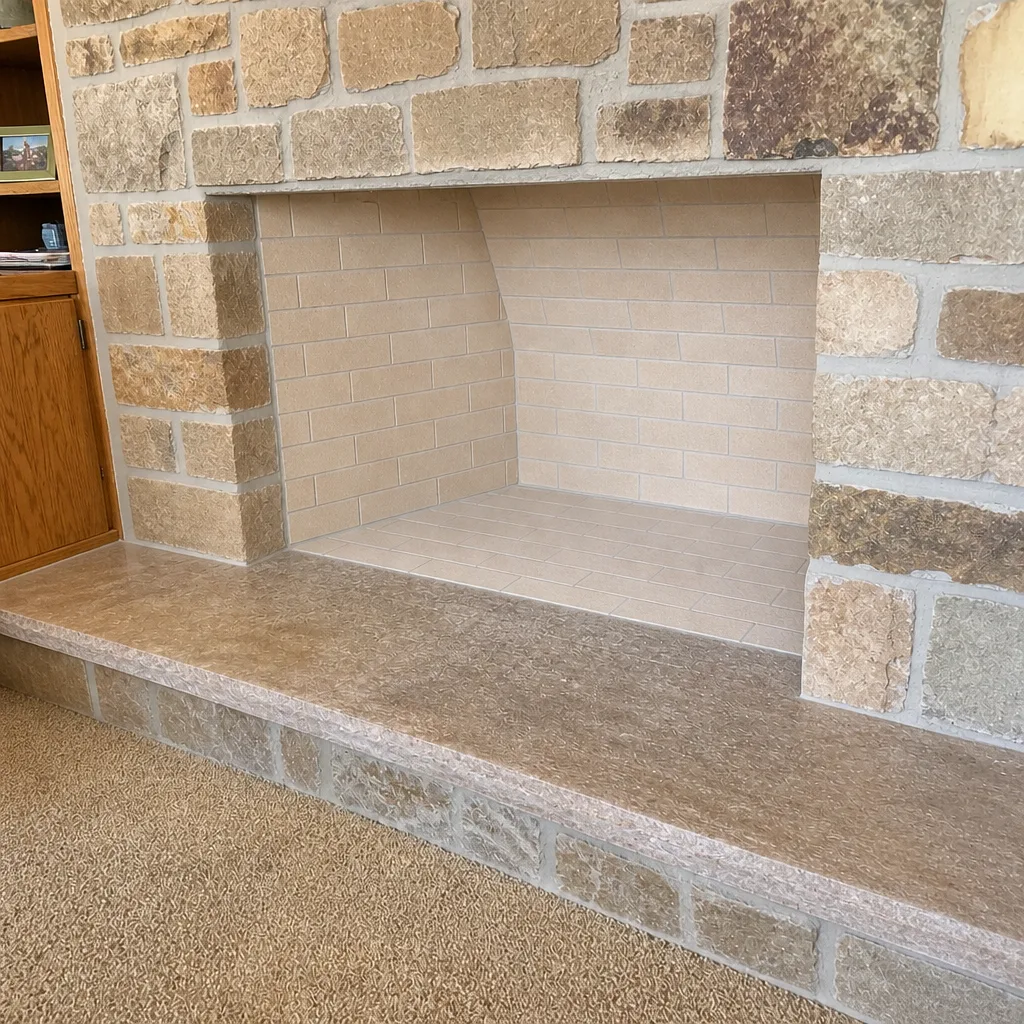
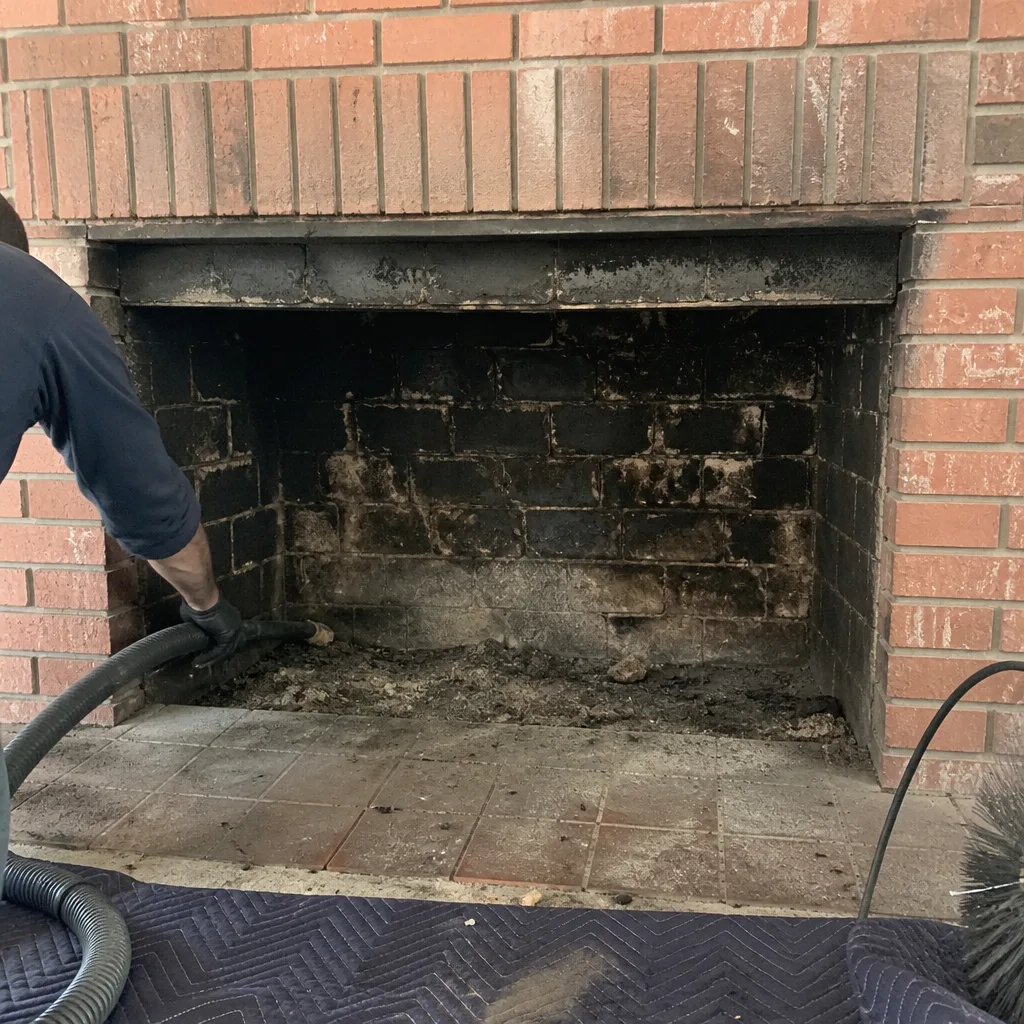
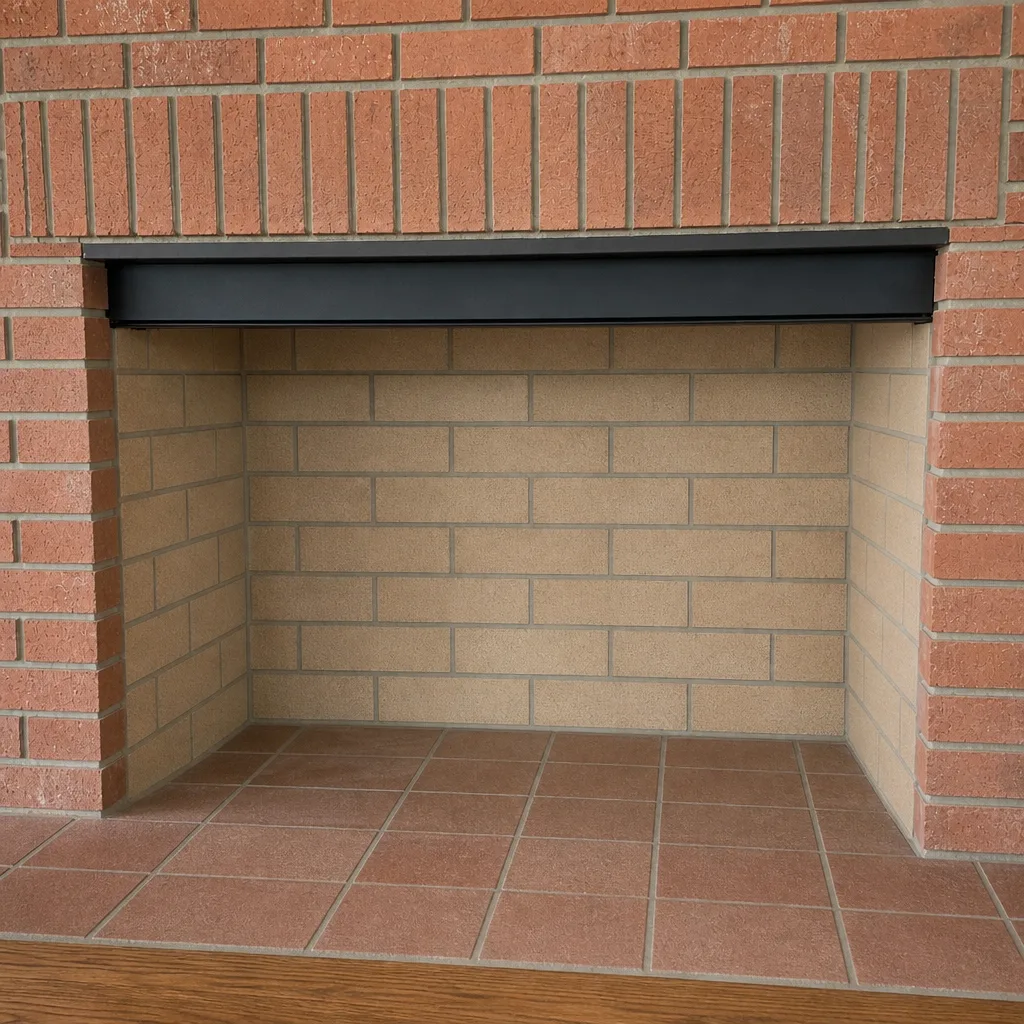
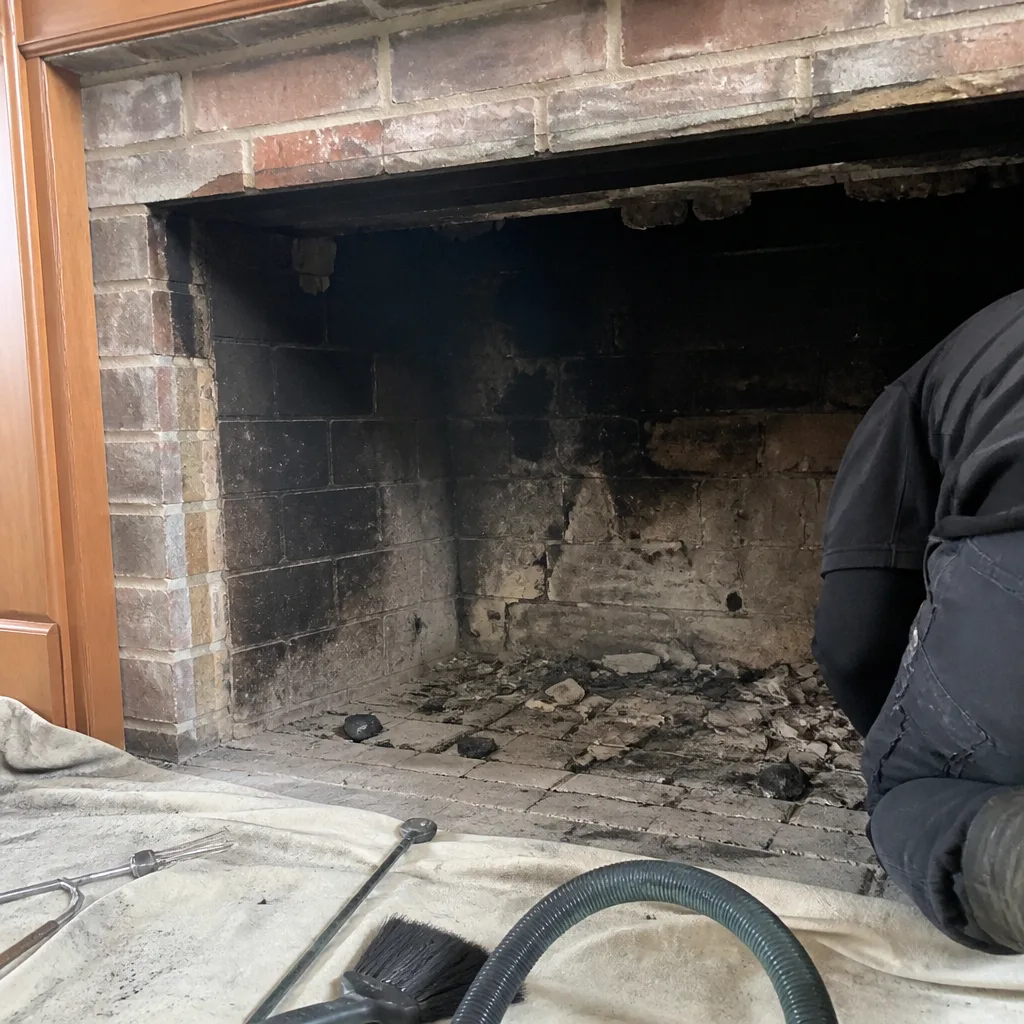 Before
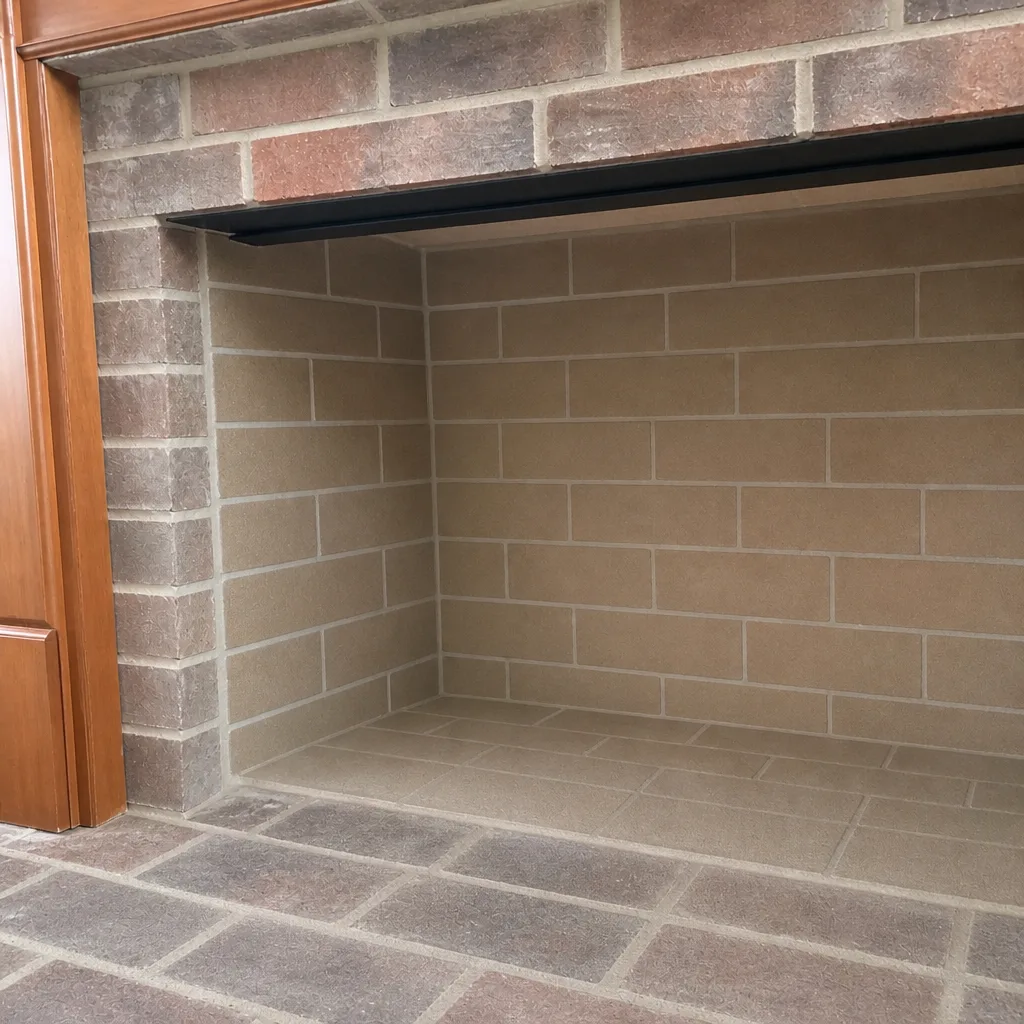 After
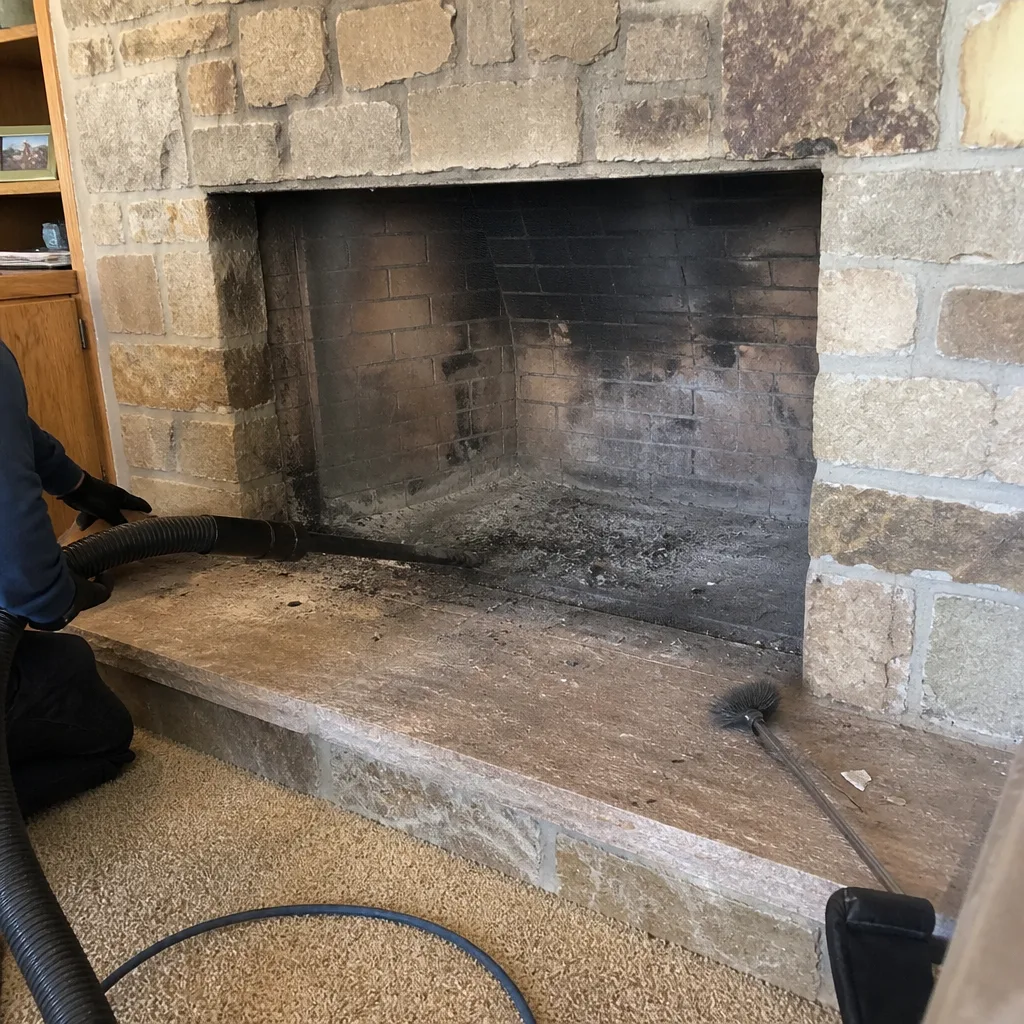 Before
 After
 Before
 After
Common Mistakes to Avoid
Here are the specific mistakes that cost Meridian homeowners the most money, in our experience:
- Booking an $89 special and expecting a $89 visit. The number is entry pricing for a limited sweep, and the quote that follows the inspection is where the actual cost shows up. If the full-service price is what fits your needs, book a company that quotes it up front.
- Accepting a liner recommendation without seeing the camera footage. Liner work is the largest line item on most chimney invoices. A legitimate recommendation comes with a video you can review; if the footage never appears, the recommendation is unverified.
- Skipping the camera inspection because the cleaning already ran a bill. The camera inspection is the diagnostic – the cleaning just gets you to it. A flue with hidden tile cracks is a different problem than one with a light creosote load.
- Assuming a “chimney sweep” and a “chimney specialist” are the same thing. A sweep-only outfit cleans the flue; a specialist who can also repair the flue resolves a finding rather than referring it out – which matters when the recommendation involves a liner or resurfacing.
- Waiting to see whether a small finding gets worse. A deteriorated crown or a loose cap admits water into the flue, and repeated freeze-thaw cycles in a Meridian winter accelerate the damage. What would have been a modest repair becomes a liner or a rebuild when left long enough.
- Choosing a quote without asking what it includes. A rock-bottom cleaning quote often excludes the inspection, cleanup, or written report. A slightly higher quote that bundles all three is usually the better comparison.
- Ignoring the dryer vent while the chimney gets serviced. Both are fire-safety systems, and both accumulate combustible material. If the chimney’s being serviced, it’s the natural moment to check the dryer vent too.
When to Call a Professional
Chimney work is not a DIY category. The flue interior, the smoke chamber, and the roof-level components require tools, training, and a safe work platform – and an injury on a steep Meridian roofline is a far more expensive problem than the sweep you were trying to save money on. Here’s when it’s time to call.
Call a professional when: you can’t remember the last time the chimney was swept; you’re moving into a home and don’t know the flue’s history; you’ve had a chimney fire, or suspect you have based on a loud roar or a sudden smell; you see cracked tiles, loose mortar, or a damaged crown from the ground level; smoke spills into the room when you light a fire; you’re changing the appliance or fuel type; or there’s water staining on the chimney or ceiling near it. A trained technician will inspect and document before recommending, and will tell you honestly if the work can wait.
Chimney Sweep Meridian offers free estimates in Meridian. Call (866) 361-7607 – we answer 24/7. Fast dispatch from 7am to 7pm, Sunday through Friday. The visit includes the inspection and a written report, so you know what’s in the flue and what a fair price looks like before anything is booked.
Frequently Asked Questions
A standard sweep with a Level I inspection in Meridian typically runs $150 to $250 for a single flue, and $225 to $350 for a multi-flue chimney, depending on creosote load, flue length and roof access. A camera inspection adds roughly $75 to $150. Quotes around $89 are entry pricing for a limited sweep, not the final cost, so compare full-service quotes rather than entry prices. Call (866) 361-7607 for an exact quote – estimates are free.
You need a new liner when the existing liner can no longer safely contain the flue – advanced tile cracking, gaps at the joints, or a flue that’s been compromised by a past fire or water intrusion – and a camera inspection showing those conditions is what justifies the recommendation. Some damage that looks like a liner replacement is actually a candidate for HeatShield ceramic flue resurfacing, which is why the camera inspection matters: it determines which repair is right. Don’t accept a liner recommendation without seeing the footage, and don’t refuse one when the footage shows a genuine failure. Call (866) 361-7607 to book a camera inspection – estimates are free.
Most wood-burning fireplaces should be swept once a year, or more often if you burn heavily through the winter – Meridian’s long heating season means most homes here run the fireplace hard enough to warrant annual cleaning. Gas and pellet appliances have their own service intervals, and the technician can tell you what your appliance needs at the visit. A once-a-year sweep is the cheapest way to keep a small finding from becoming a large repair. Call (866) 361-7607 to book one – estimates are free.
Creosote builds up inside the flue every time you burn, and at a certain stage it becomes a serious fire risk; a chimney fire can spread into the structure of the home. A neglected flue also loses draft and can allow carbon monoxide to back up into living space, and moisture intrusion through a damaged crown accelerates tile damage over a Meridian winter. None of this happens overnight, but it doesn’t reverse itself either – the longer the sweep is deferred, the more likely the visit turns up a repair rather than just a cleaning. Call (866) 361-7607 for an inspection before you light the next fire – estimates are free.
Ask for the camera footage and a written report showing exactly what was found, and ask the technician to explain what fails if the repair is deferred. A legitimate finding is one that can be shown to you, not just described. If the recommendation is for a full liner tear-out, get a second opinion and ask whether a smaller repair – resurfacing with HeatShield, for example – would resolve the same issue. We don’t recommend work we can’t show you, and we’ll tell you when it can safely wait. Call (866) 361-7607 – estimates are free.
Yes. A taller chimney or a multi-flue stack takes longer to sweep than a short single flue, so labor time goes up. A stainless steel liner installed after a prior repair requires specific brush types so the liner isn’t scored, which adds a small amount of setup time but protects the liner. Roof pitch and access also matter. These are legitimate cost drivers, not markups – a fair quote accounts for them up front rather than adding them after the technician arrives. Call (866) 361-7607 to discuss what your chimney will need – estimates are free.
The Bottom Line
Chimney cleaning cost in Meridian is driven by three legitimate factors – the sweep itself, the inspection that should accompany it, and the physical layout of your flue – and the $89 special is a fourth factor that has nothing to do with honest pricing. A fair quote is one that bundles the sweep with a written inspection, accounts for your chimney’s height and configuration, and backs any repair recommendation with camera footage you can review. Deferred maintenance raises the cleaning cost and the likelihood of a repair; the camera is how you tell which recommendations are real. If you want a written estimate and a report you can verify, call (866) 361-7607. We answer 24/7. Fast dispatch from 7am to 7pm, Sunday through Friday. Estimates are free, and nothing is recommended without evidence you can see.
Written by the team at Chimney Sweep Meridian.