
Last updated November 14, 2026
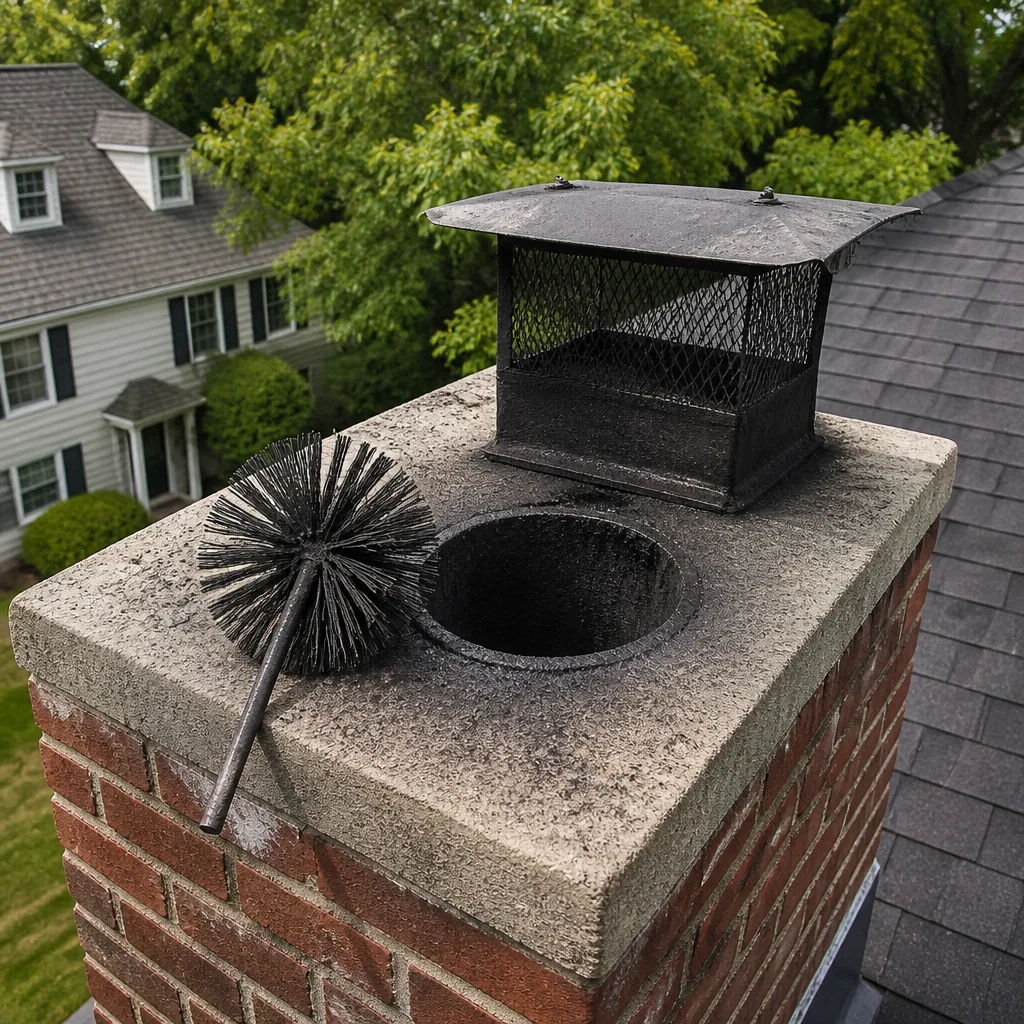 Sweep & inspection
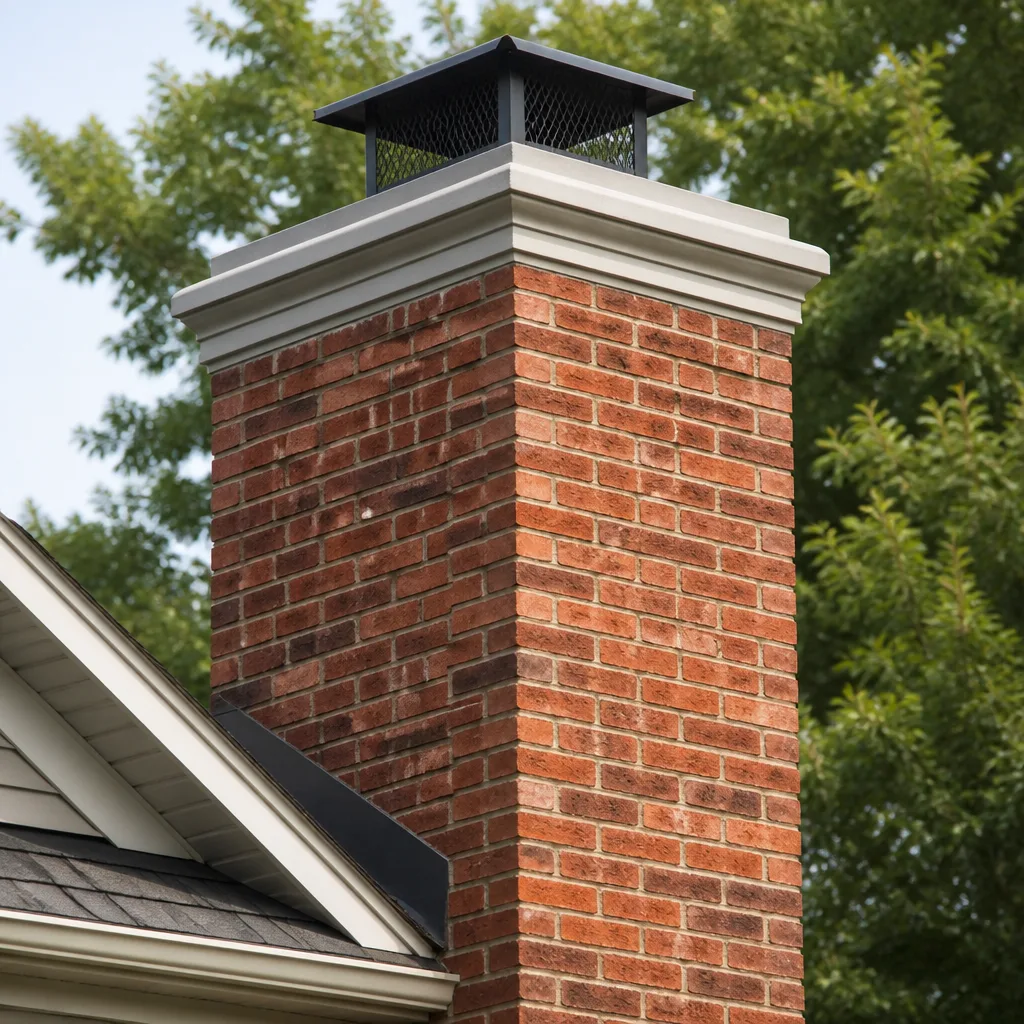 Caps & crowns
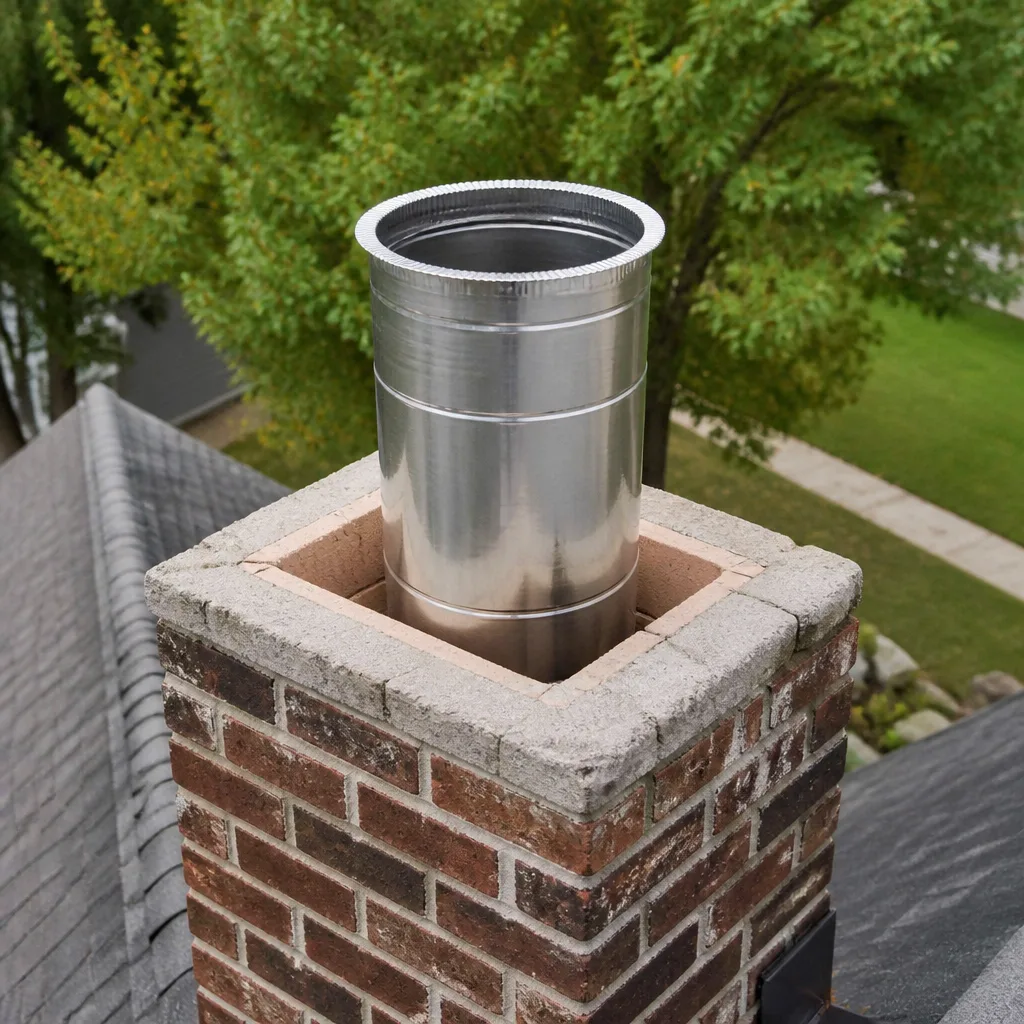 Flue relining
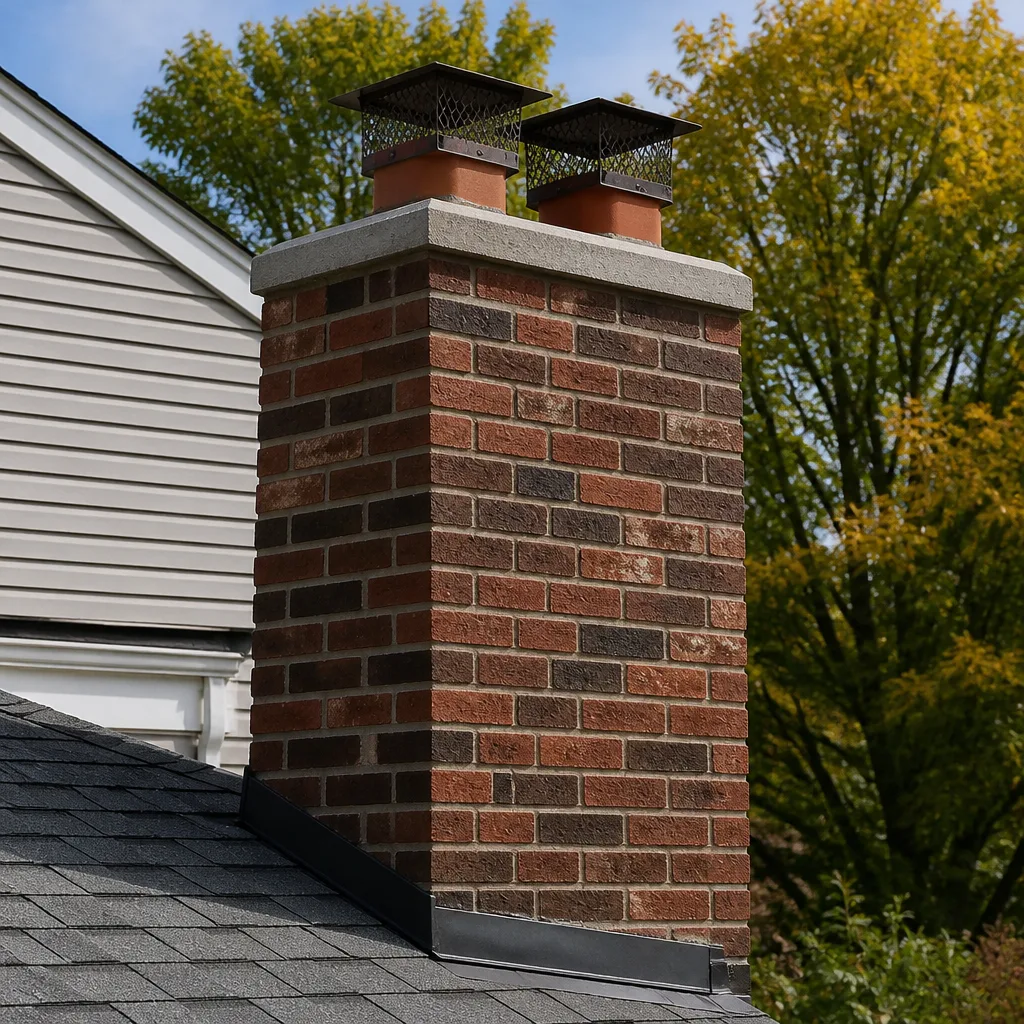 Masonry repair
 Gas fireplace service
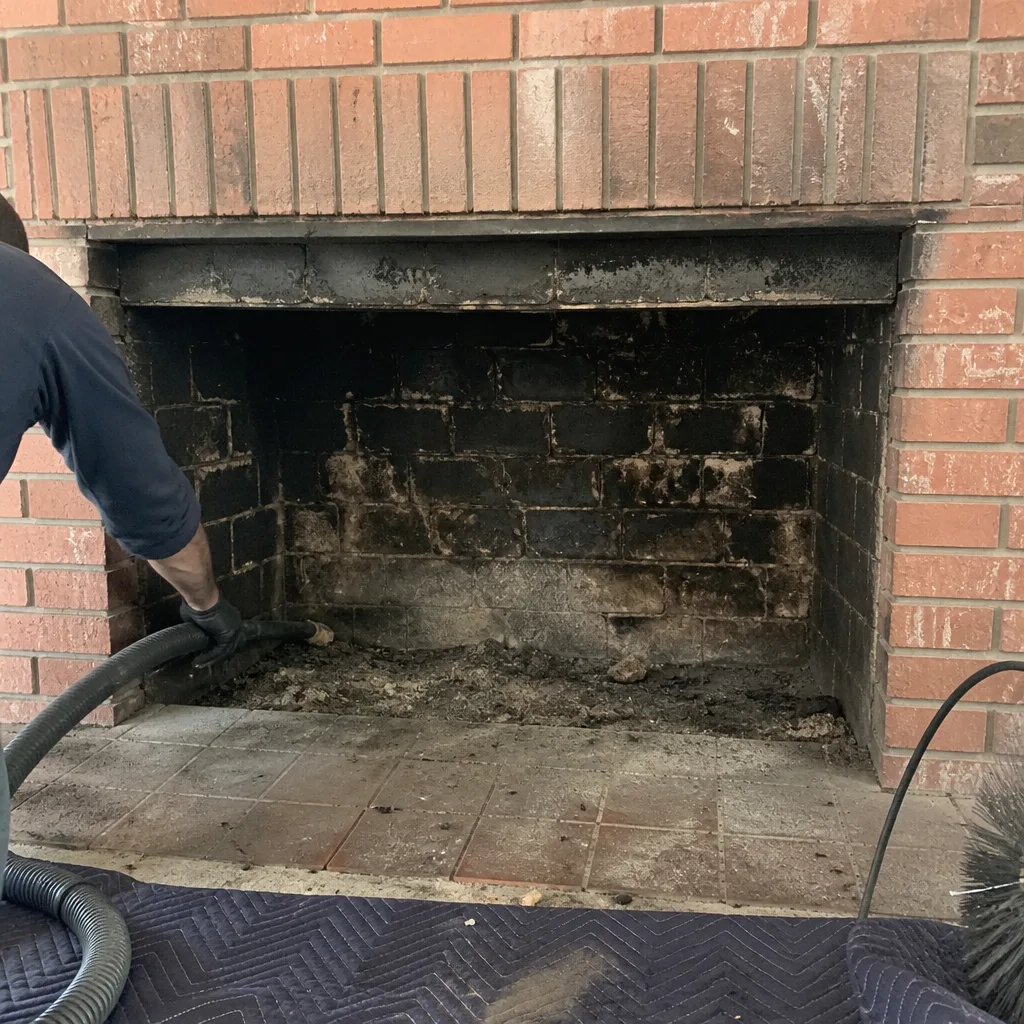
Level 1 sweep and inspection to the NFPA 211 annual standard - flue, crown, cap, and flashing checked and photographed
Chimney sweep logs do not sweep chimneys. They loosen some creosote - which then falls where a brush and vacuum still have to collect it.
Chimney Cleaning Warning Signs: A Meridian Homeowner’s Reference Guide
A smoky smell on a windy day isn’t just unpleasant. It’s the chimney telling you the draft is reversed, which means combustion gases are entering your living space. That same symptom has four different root causes, each requiring a different fix. Most homeowners read the signs on this list as minor annoyances, and that reading is where trouble starts, because each symptom points to a specific mechanical problem: a draft failure, a failing flue, a water path that has been open for years. This reference guide explains what each warning sign means mechanically rather than simply telling you to call someone. If you heat with wood, gas, or pellets in Meridian, the symptoms below are worth knowing cold.
Quick Answer
The warning signs that mean a chimney needs cleaning or inspection are a strong smoky odor even when the fireplace is cold, smoke rolling back into the room, black or glazed creosote on the flue walls, spalling firebrick or tile fragments on the smoke shelf, white staining on exterior brick, and a fire that suddenly sounds quieter or louder than it used to. Any three of these together justify a professional inspection, and smoke rollback or a change in fire sound on its own justifies one immediately. In Meridian, our dry summers followed by long heating seasons make creosote buildup and moisture intrusion the two dominant causes we diagnose.
Styles & brands we work with
- Sweep & inspection
- Caps & crowns
- Flue relining
- Masonry repair
- Gas fireplace service
Table of Contents
- The Three Odors Homeowners Confuse
- What Smoke Rollback Actually Tells You
- Interior Warning Signs You Can See Yourself
- Exterior Warning Signs on Meridian Brick
- Changes in Fire Sound and Carbon Monoxide Risk
- Reading Creosote Stages
- How Often to Schedule Cleaning
- Common Mistakes to Avoid
The Three Odors Homeowners Confuse
Most people describe a chimney problem as “it smells.” That single word covers three completely different conditions, and telling them apart is the first diagnostic step. A technician who arrives expecting one odor and finds another has already been misled, which is why we ask specific questions before we ever climb on the roof.
Creosote odor
Creosote smells sharp, tarry, and acrid, and it gets stronger in warm, humid weather and on damp days. The odor travels down the flue when the house pressure is slightly negative or when the draft has no reason to run. A strong creosote smell when the fireplace is cold usually means an accumulation thick enough to be worth removing, not just a surface film.
Animal intrusion odor
Birds, squirrels, and raccoons find uncapped flues inviting. The odor is musty, organic, and often accompanied by scratching or fluttering sounds. Nesting material also blocks the flue, which is a real draft and fire hazard, so an animal problem is never just an odor problem.
Moisture-decay odor
Water in the chimney structure smells like wet earth, mildew, or damp masonry, and it tends to be worst after rain. On a Meridian home, this odor often points to a failed crown, a missing cap, or deteriorated flashing, any of which lets water into the flue and the surrounding brick. Confusing moisture decay with creosote sends the wrong crew to the house; a sweep removes creosote, but water intrusion needs repair.
What Smoke Rollback Actually Tells You
Smoke spilling into the room is a draft failure, and draft failure has four common causes. A technician distinguishes them by watching the fire’s behavior, checking flue pressure, and inspecting the flue and the firebox geometry. Guessing between them is how homeowners end up replacing parts that were never the problem.
- Blocked or restricted flue. Creosote, a nest, a collapsed tile, or a disconnected liner section narrows the passage. The fire starves for air and pushes smoke back into the room. This is the most dangerous cause and the one that most often needs a chimney sweep before anything else can be assessed.
- Negative house pressure. Modern homes are tight. A kitchen exhaust fan, a bath fan, or a furnace drawing combustion air can depressurize the house enough that the chimney reverses. The fire burns, but the smoke has to go somewhere, and it goes into the room.
- Cold flue. A flue that has not warmed up cannot establish draft. A fire started in a cold flue on a mild day often smokes until the flue heats, but persistent rollback after the fire is established is a different problem.
- Firebox geometry and flue sizing. A firebox that is too tall for its flue opening, or a flue that is undersized for the appliance, will roll smoke under certain conditions no matter how clean it is. This is a design issue, not a cleaning issue, and it needs diagnosis rather than another sweep.
Interior Warning Signs You Can See Yourself
You don’t need to climb anything to catch a lot of chimney trouble. Open the firebox doors with a flashlight and look before the heating season starts. These are the signals we teach homeowners to watch for, and each one has a mechanical meaning.
- Spalling firebrick. Firebrick that is flaking, crumbling, or pitted has been through thermal cycling or water exposure. A cracked or spalling firebox lets heat reach the structure behind it, and that is a fire risk, not a cosmetic flaw.
- Efflorescence. A white, powdery deposit on the firebox or the surrounding masonry is salt left behind when water evaporates. It means moisture has been moving through the masonry, and it is a signal of a water path that needs to be found.
- Tile fragments on the smoke shelf. Shaling, meaning thin flakes of flue tile landing on the smoke shelf above the damper, indicates the flue liner is breaking down from the inside. When you see tile shards, the liner is already damaged and needs inspection before the next fire.
- Rusted damper or firebox hardware. Rust where a fire has burned means water has been getting in, and it points to a cap, crown, or flashing failure above.
- Glazed or tar-like deposits on the flue walls. Visible from the firebox at the damper, a glassy black coating is stage-three creosote, which is the most combustible stage and the hardest to remove.
Exterior Warning Signs on Meridian Brick
Walk around the house and look at the chimney from the ground. Meridian’s freeze-thaw swings in winter and its dry, hot summers put real stress on brick and mortar, and the staining patterns tell you a lot about what is happening inside the structure.
- White efflorescence on the chimney exterior means water is moving through the brick and evaporating out. It is not cosmetic. It points to a source: a cracked crown, missing flashing, or a deteriorated mortar joint.
- Dark vertical streaks below the crown or along the chimney face usually indicate water running down a failed crown and soaking into the brick. If the streaks are sooty rather than watery, the cause is different and usually involves draft or a flue leak.
- Rust stains around the top of the chimney come from a corroding chase cover or cap. A rusted cap is a water entry point, and it also means the top is no longer doing its job of keeping out rain and animals.
- Spalling brick faces on the chimney are a sign that water has been freezing inside the brick and pushing the face off. This is the most serious exterior sign, because it means the masonry is losing its structural surface.
- Green or dark growth on the north face is normal weathering in a climate with cold nights and warm days. Growth alone is not a chimney hazard, but it often indicates a surface that stays damp and therefore a spot where freeze damage will show up first.
Changes in Fire Sound and Carbon Monoxide Risk
A fire that suddenly sounds quieter or louder than it used to is telling you something about the flue. A quieter fire usually means less air moving through the flue, which points to a partial blockage or a draft that has weakened. A louder, roaring, or rattling fire can mean the draft has increased, often because a liner has cracked and the flue is now drawing air from places it shouldn’t. Neither change is normal, and both deserve an inspection.
The connection to carbon monoxide is direct. CO is a byproduct of incomplete combustion, and it reaches the living space when flue gases have a path other than up and out. A cracked flue liner, a disconnected liner joint, or a blocked flue gives those gases that path. This is why we look at the flue lining as part of every service, and why we can resurface a damaged flue tile with a ceramic restoration system rather than tearing out a liner that may not need replacing. Anything involving the flue or a gas appliance belongs with a trained professional, and we recommend not operating an appliance you suspect is venting into the house. If it’s been more than a year since your last sweep, or you’ve never had one, the safest first step is to get a professional assessment. Our team answers questions at (866) 361-7607, and if you want a trained eye on your own system, schedule a chimney sweep before you light the first fire.
Reading Creosote Stages
Creosote is the residue of incomplete combustion, and it forms in three recognizable stages that call for different responses. Knowing which stage you’re in helps you understand why a cleaning schedule exists in the first place.
- Stage one: soot and flaky powder. A thin, dusty coating. It brushes off easily and is the normal residue after a season of burning. Regular sweeping keeps it from becoming something more.
- Stage two: crusty deposits. Harder, flaky chips of creosote that have dried onto the flue. This stage needs a proper sweep with the right brush for the flue type, because a homeowner can’t reach it and a soft brush won’t move it.
- Stage three: glazed, tarry creosote. A hard, shiny, tar-like layer. It is the most combustible stage and the hardest to remove, and it burns hot enough to ignite the flue. Glazed creosote is a genuine fire hazard, which is why we recommend an inspection as soon as you see it rather than waiting for the next season.
A chimney that is cleaned on a regular schedule rarely reaches stage three, but a chimney that has never been cleaned often starts there. Materials matter too. A flue with the wrong liner for the appliance can build creosote faster than one with the right liner, which is why we install flexible DuraFlex liner systems for older or offset flues that a rigid liner cannot fit. The right liner for your flue, not the easiest one to install, is the standard we work to.
How Often to Schedule Cleaning
A chimney should be inspected once a year and swept when the inspection shows it’s needed, and for most wood-burning households that comes out to roughly once a year with regular use. Gas and pellet appliances have different needs and still need their venting checked, because a blocked vent on a gas appliance is a carbon monoxide risk with no smoke smell to warn you. Dryer vents are the other fire hazard in your home and should be cleaned as part of the same annual routine, since lint builds up in the duct the same way creosote builds in the flue.
Meridian homes sit in a climate with a long heating season and dry summer air, and both matter. Dry air makes seasoned wood a practical choice, but it also means the creosote that forms during the heating season is often the only thing standing between you and a safe flue. A chimney in a home that burns several cords a season should be looked at more often than one used for a few fires at the holidays. The time to book is before the heating season, not during it, because a flue that has cured through a dry summer is easiest to inspect and clean. The right time is also the calm one: a chimney with stage-three creosote is not a problem to move down the list.
Common Mistakes to Avoid
- Treating smoky odor as normal. A persistent odor when the fireplace is cold is a symptom, not a personality trait of an old house. It usually means creosote, moisture, or a blocked flue, and one of those is a fire risk.
- Burning wet or unseasoned wood to “burn off” a problem. Green or wet wood produces more creosote, not less. It does not clean a flue, and it makes the next sweep heavier.
- Ignoring a change in fire sound. A fire that used to sound one way and doesn’t anymore is one of the clearest early warnings available, and it costs nothing to notice.
- Hiring a sweep-only crew for a repair job. A damaged flue needs a repair capability, not just a brush. Ask whether the company that cleans also repairs, so the diagnosis and the fix aren’t two separate visits from two different outfits.
- Leaving the chimney uncapped. An uncapped flue lets in rain and animals. In Meridian’s climate, a missing cap is one of the most common causes of the moisture decay that shows up as efflorescence months later.
- Painting over water stains on brick. That hides the evidence water is still entering, and the moisture keeps working behind the paint. Find the source before you touch the surface.
- Forgetting the dryer vent. It’s part of the same fire-safety picture as the chimney. Lint in a dryer duct is a real ignition source, and it does not announce itself the way a smoky fire does.
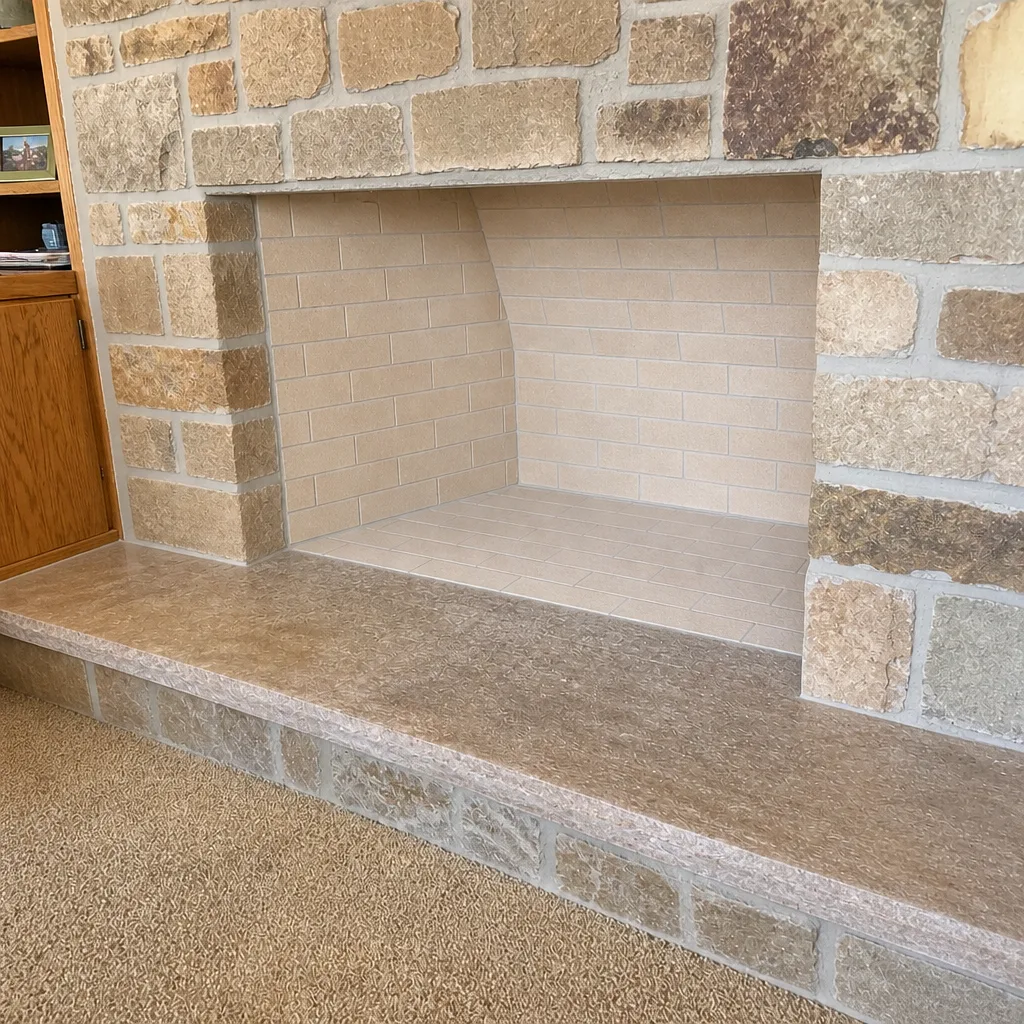
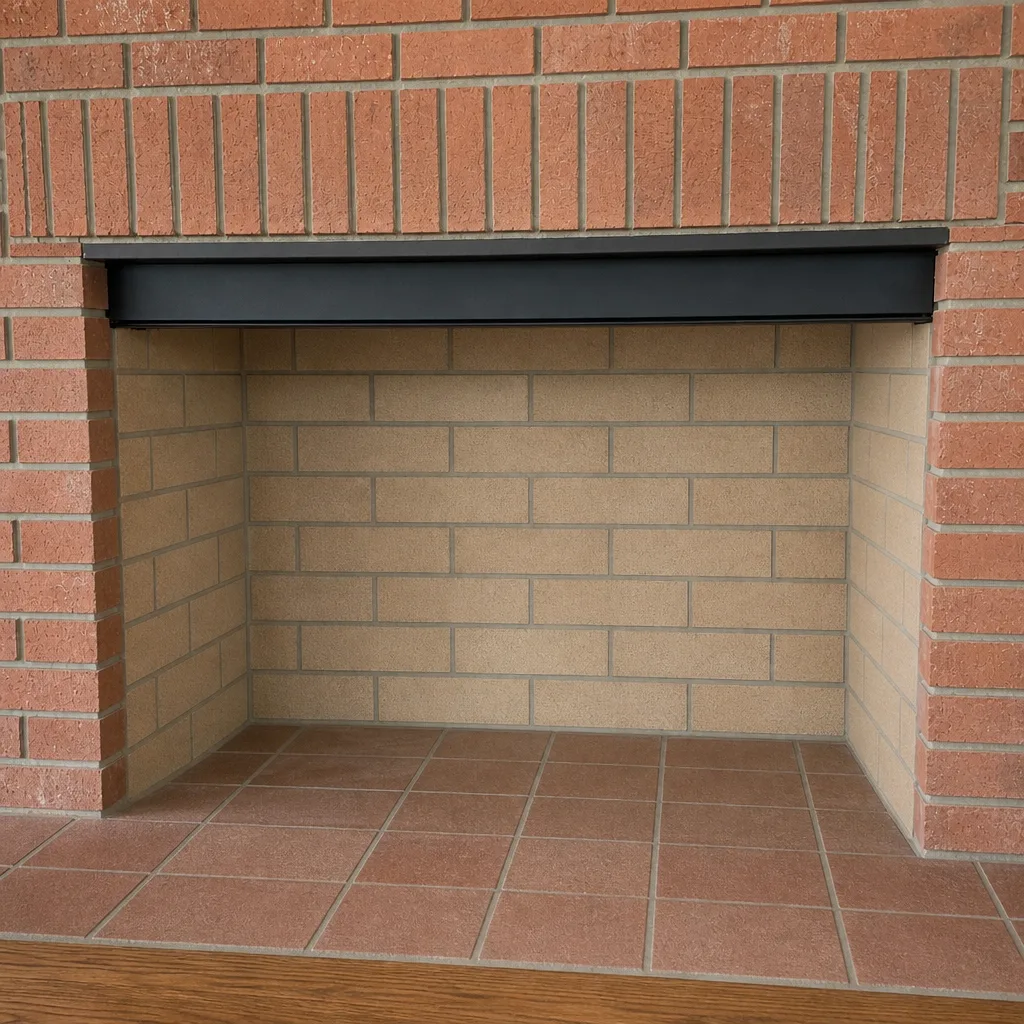
See the difference
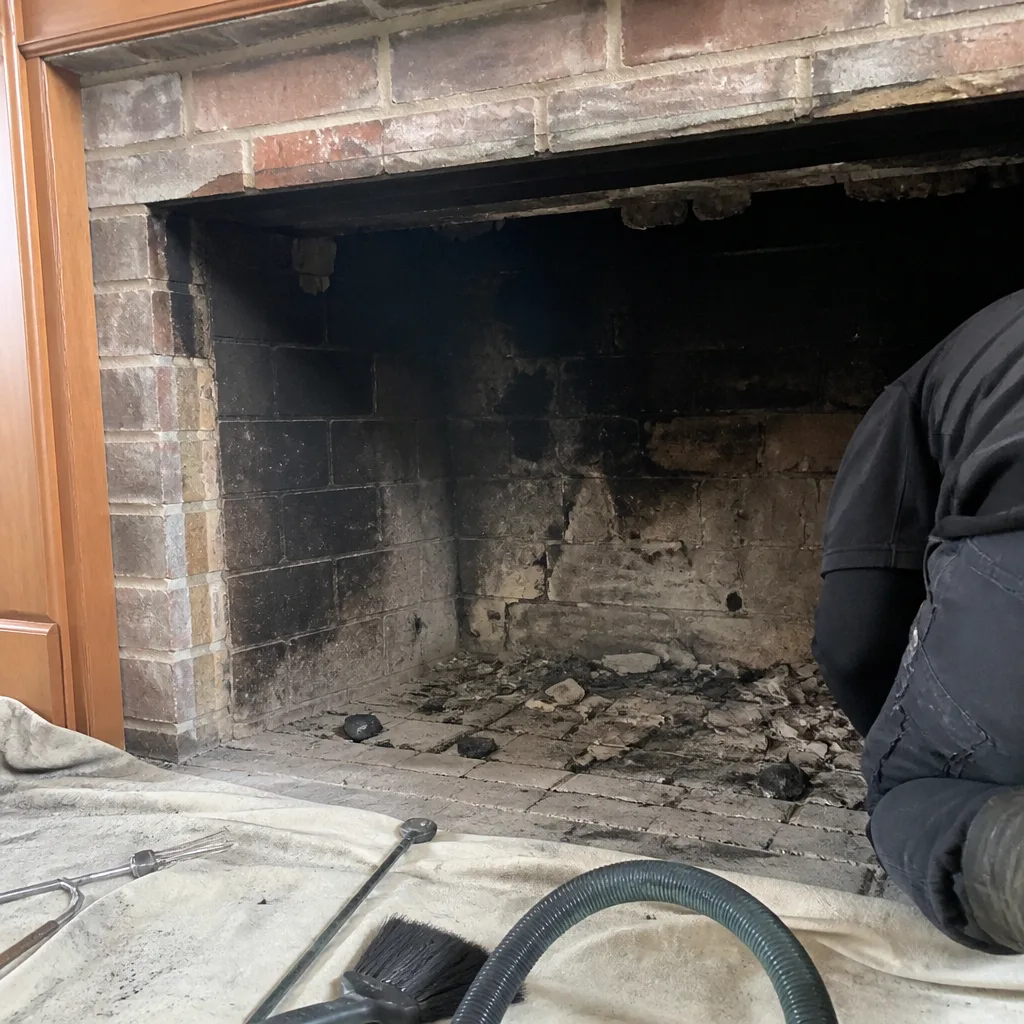 Before
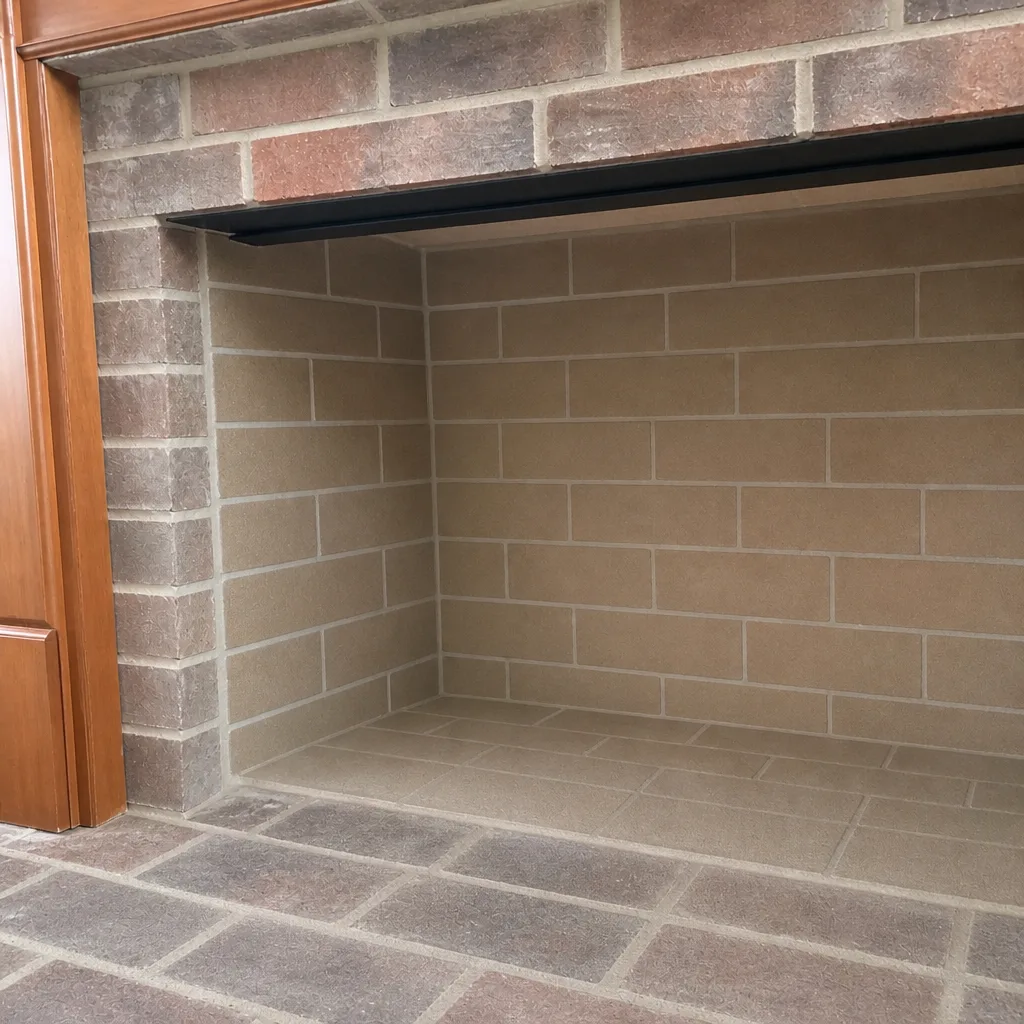 After
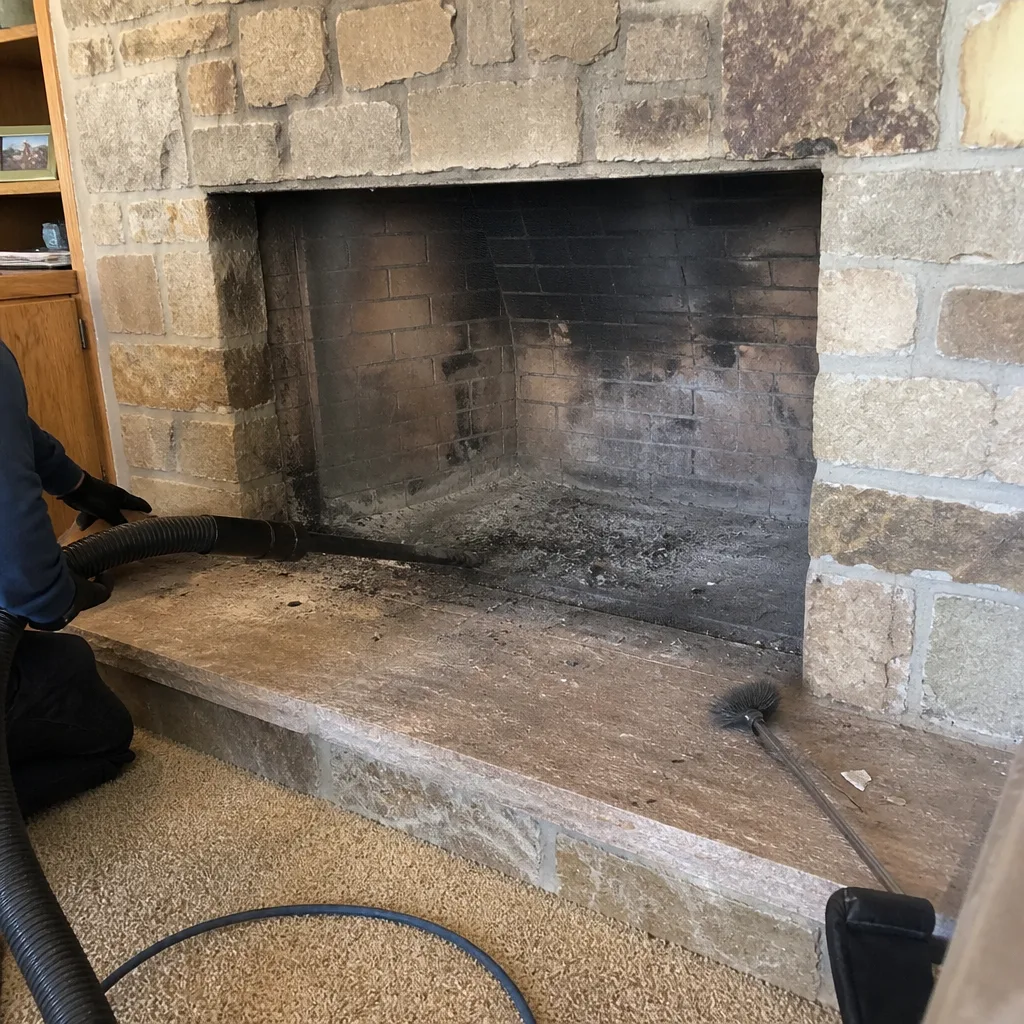 Before
 After
 Before
 After
When to Call a Professional
Call a professional when smoke rolls into the room, when you see tile shards on the smoke shelf or glazing on the flue walls, when the fire sounds different than it used to, or when any part of a gas appliance vents into a space you’re not sure about. If you’re in Meridian and you can’t remember the last time the chimney was cleaned, that’s the reason. Chimney Sweep Meridian offers free estimates in Meridian, and our technicians have up to 15 years of experience with the systems Meridian homes actually have. We answer 24/7 and dispatch Sunday through Friday, 7am to 7pm. Call (866) 361-7607 for a free estimate.
Frequently Asked Questions
If you’ve had no symptoms at all – no odor, no rollback, no visible change – you likely need an inspection, and the inspection will tell you whether a sweep is needed. If you’re seeing tile shards, glazing, or smoke in the room, you need cleaning and diagnosis. A camera inspection and photo report make the answer visible to you.
It usually means the draft is reversing, often from negative house pressure or a partially blocked flue, and combustion gases are coming into the room. Wind exposes a draft problem that a calm day hides. Call (866) 361-7607 for an exact quote; estimates are free.
Yes. A cracked or disconnected liner gives flue gases a path into the home instead of up and out, and CO is a product of incomplete combustion. This is why we inspect the liner and can resurface a damaged tile with HeatShield, a trained restoration process, instead of automatically replacing the whole liner.
A rusted cap is a water entry point and an animal entry point, and it’s one of the most common causes of the moisture decay we see in Meridian. Replacing the cap with a proper stainless model resolves it. We carry caps from Famco and Copperfield.
Yes, and we treat dryer vent work as part of the same fire-safety picture as chimney work. Dryer lint ignites the same way glazed creosote does, just in a different pipe.
You don’t have to guess. Stage one brushes off, stage two is crusty and needs a proper brush, and stage three is glassy and tarry. The difference matters because glazed creosote can ignite, and that changes what the visit involves. Call (866) 361-7607 for an exact quote; estimates are free.
The Bottom Line
Chimney warning signs are specific: a smoky odor when the fire is cold, smoke that rolls into the room, tile shards on the smoke shelf, white staining on the brick, a fire that sounds different than it used to. Each one points to a mechanical cause, and the cause determines the fix. Knowing the difference between creosote, animal intrusion, and moisture decay prevents the wrong service call. Knowing what smoke rollback means prevents a dangerous one. If you’re in Meridian and any of these are on your list, get an assessment before you burn. We answer 24/7 and book dispatch Sunday through Friday, 7am to 7pm. Call (866) 361-7607 for a free estimate, and we’ll tell you what the evidence supports.
Written by the team at Chimney Sweep Meridian.