
Last updated November 14, 2026
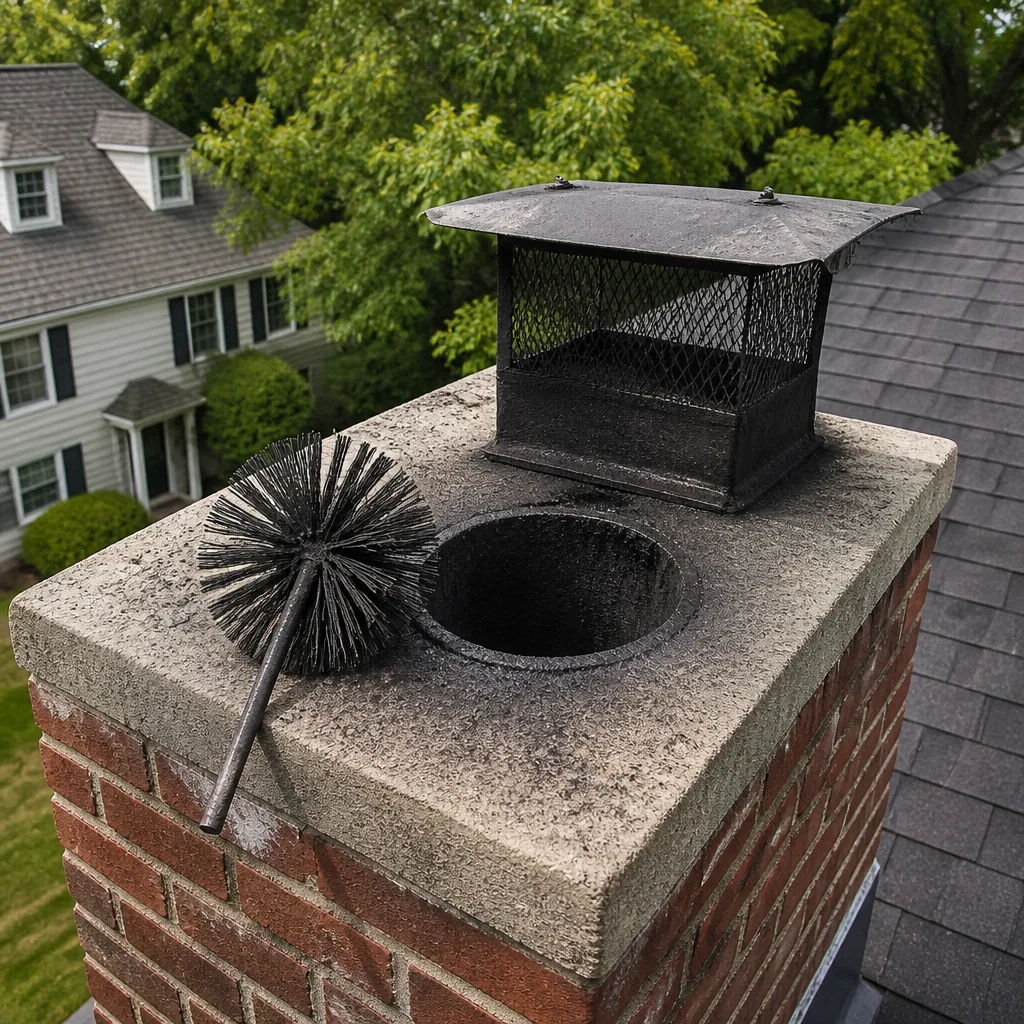 Sweep & inspection
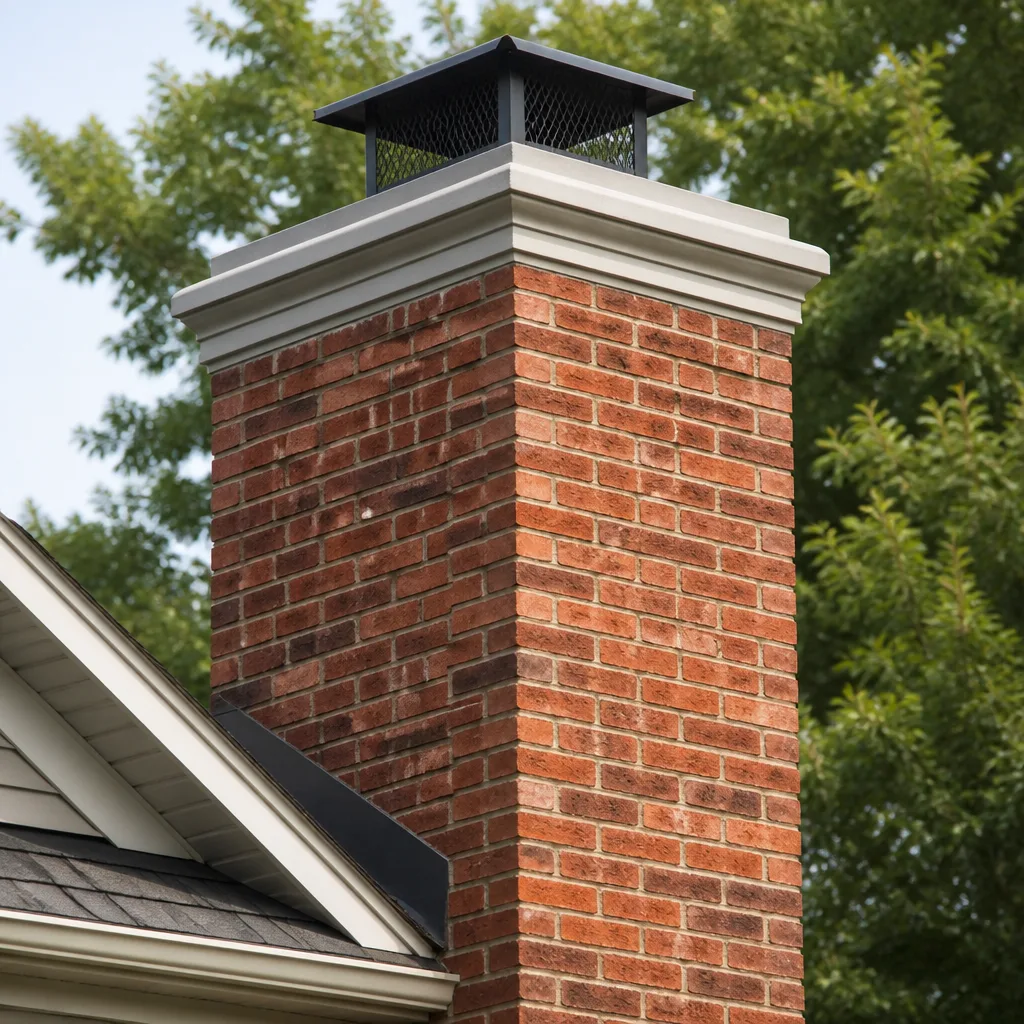 Caps & crowns
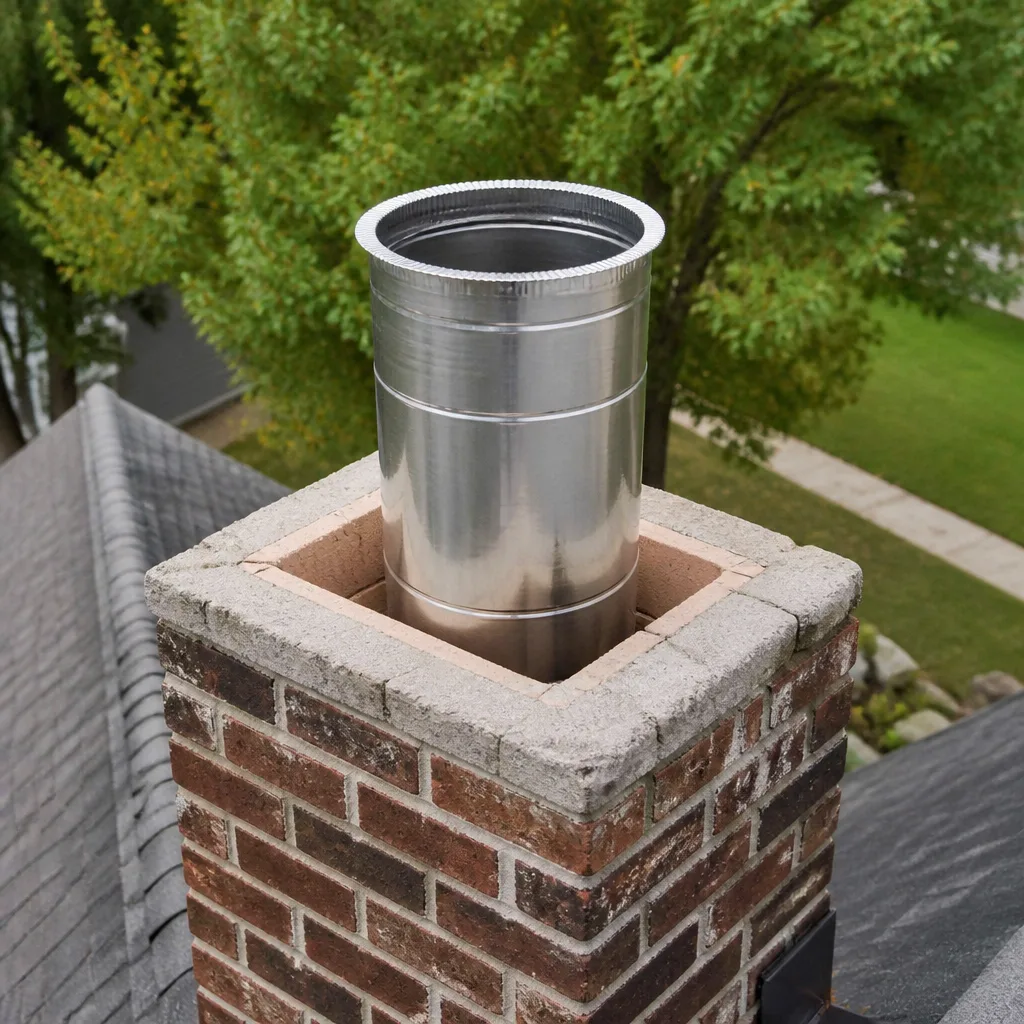 Flue relining
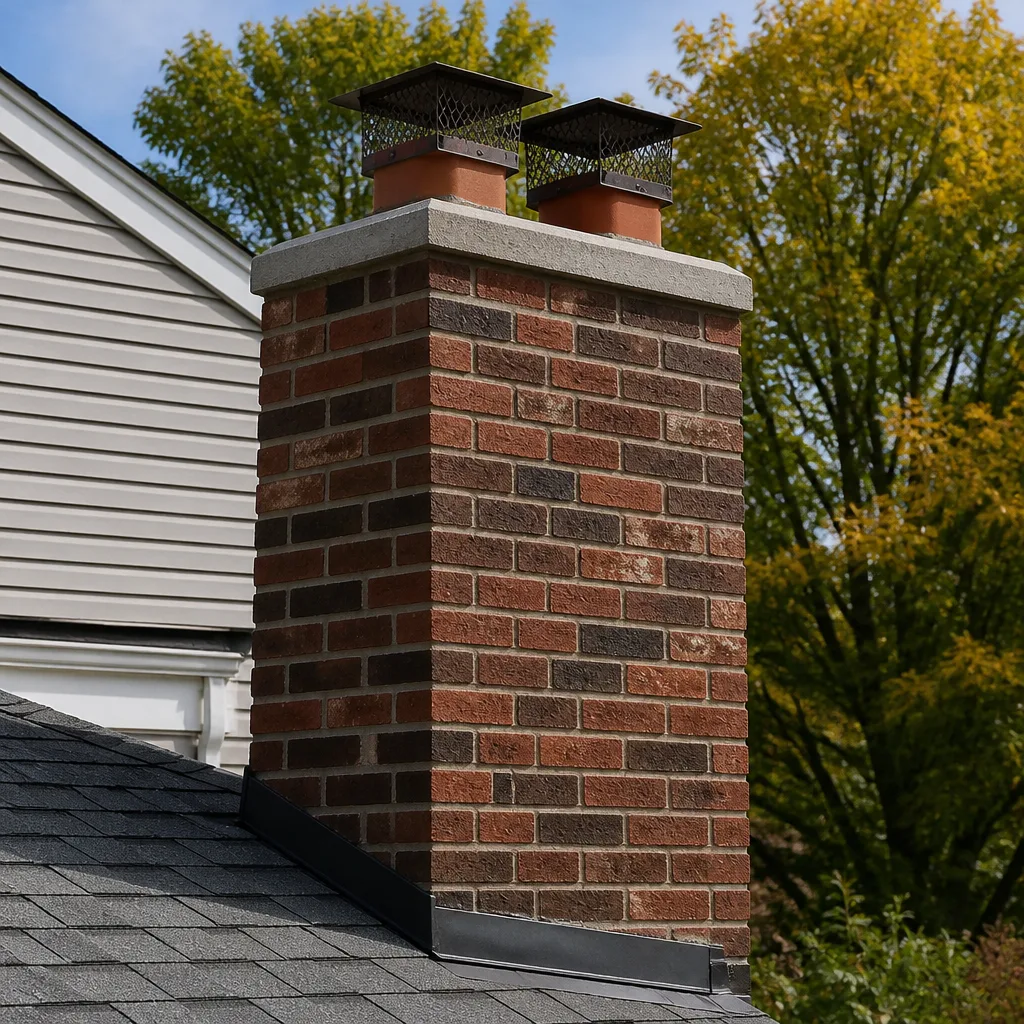 Masonry repair
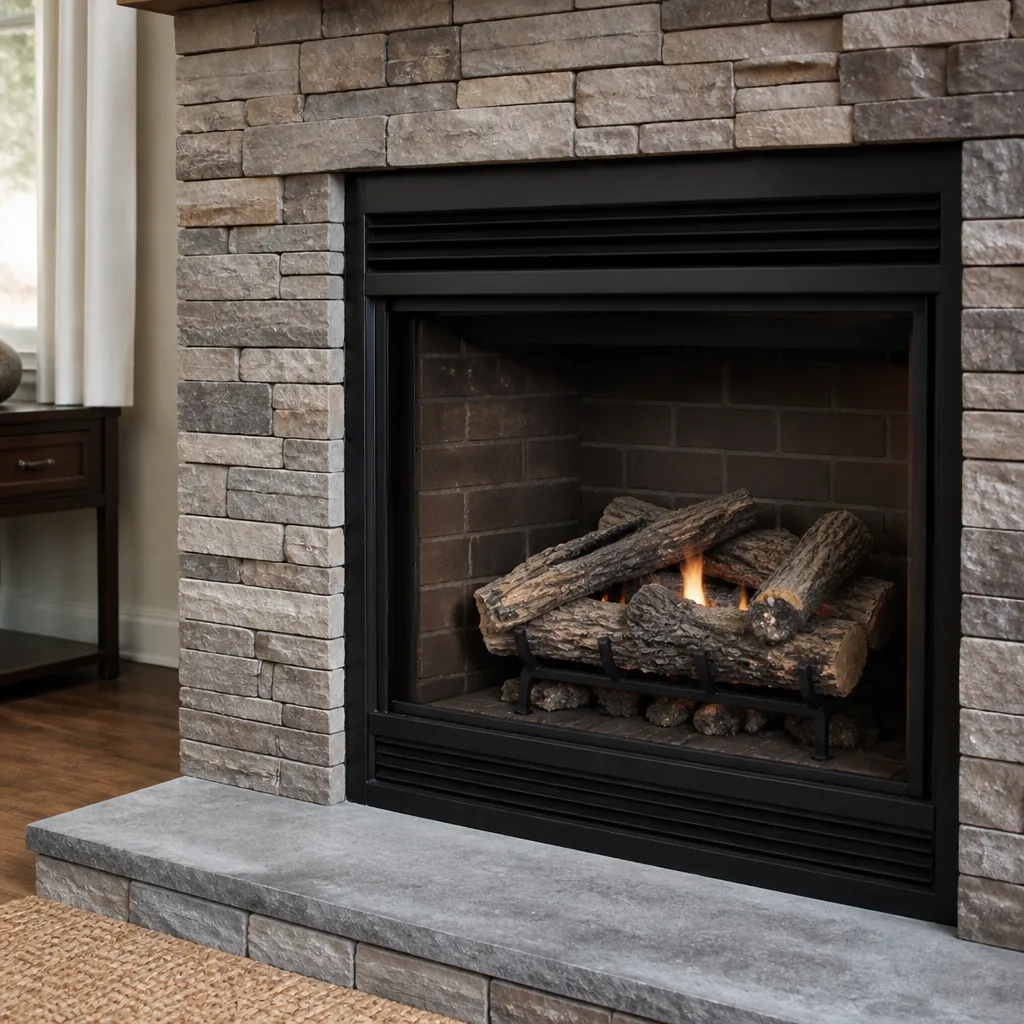 Gas fireplace service
Level 1 sweep and inspection to the NFPA 211 annual standard - flue, crown, cap, and flashing checked and photographed
Chimney sweep logs do not sweep chimneys. They loosen some creosote - which then falls where a brush and vacuum still have to collect it.
Chimney Sweep Troubleshooting in Meridian: Common Problems and How to Fix Them
If your fireplace smokes into the room only on windy days, the problem almost certainly isn’t creosote. It’s negative pressure, and sweeping the flue won’t fix it. That’s the single most useful thing to understand about chimney troubleshooting: the symptom you notice and the cause behind it are often two different things. Smoke rolling out of the firebox, a smell that appears weeks after your last fire, weak draw on a cold morning – each points to a specific mechanical failure, not a vague “dirty chimney.” This guide walks through what each symptom actually means, which problems you can document yourself with a flashlight, and which ones need a camera inspection to diagnose. We’ll keep it focused on Meridian, where the high-desert wind and dry air shape draft problems in ways that wetter climates rarely see.
Quick Answer
Most chimney problems in Meridian trace back to one of four causes: a blockage, a draft pressure problem (backdraft or downdraft), a damaged flue liner, or a moisture issue in the masonry. Each has a distinct symptom. Smoke that appears only on windy days is usually negative pressure, not creosote. A smell weeks after the last fire is usually creosote off-gassing. A musty or earthy smell is usually moisture in the brick. Matching the symptom to the cause before you call saves time and prevents paying for a sweeping that was never going to solve the problem.
Styles & brands we work with
- Sweep & inspection
- Caps & crowns
- Flue relining
- Masonry repair
- Gas fireplace service
Table of Contents
- The Symptom-to-Cause Matrix
- Backdraft vs. Downdraft vs. Blockage: Why They Feel the Same
- How Meridian’s Wind Patterns Create Draft Problems
- Creosote Smell vs. Masonry Smell: What Each Tells You
- Why a Damper That “Works Fine” Can Still Be the Problem
- What You Can Check Yourself vs. What Needs a Camera
- The Other Fire Hazard: Dryer Vent Troubleshooting
- Common Mistakes to Avoid
- When to Call a Professional
- Frequently Asked Questions
The Symptom-to-Cause Matrix
Chimney troubleshooting starts with observation. Before you call anyone, note exactly when the problem appears. Windy days only? Cold mornings? Every fire regardless of weather? The pattern narrows the cause faster than any tool.
Here’s how the common symptoms map to their most likely causes:
- Smoke rolls out of the firebox on windy days only. Negative pressure or a wind-induced downdraft. Rarely a blockage. Sweeping won’t fix it.
- Smoke appears regardless of weather, especially on cold starts. Likely a cold flue (the chimney hasn’t warmed enough to establish draft) or a partial blockage near the top.
- Weak or lazy draw, fire struggles to stay lit. Could be a blockage, a flue that’s undersized for the appliance, or a closed or partly closed damper.
- Sharp, acrid smell weeks after the last fire. Creosote off-gassing, especially on warm, humid days when pressure shifts. Signals a flue that needs sweeping.
- Musty, earthy, or “wet basement” smell. Moisture in the masonry. Points to a crown, flashing, or cap problem letting water in.
- Visible water staining, white chalky deposits, or spalling brick. Active moisture damage to the chimney structure.
- Soot falling into the firebox or a black film on the glass. Excess creosote or a draft problem causing incomplete combustion.
- Smoke smell in the house even when the fireplace is unused. Pressure imbalance pulling air down the flue, or a failed damper seal.
Notice how many of these are draft-related rather than cleanliness-related. That’s the point of this guide. A chimney sweep is one part of the fix, not the whole answer. In our experience across Meridian, homeowners often come in expecting a sweep and leave finding they had a pressure or liner issue the whole time.
Backdraft vs. Downdraft vs. Blockage: Why They Feel the Same
All three push smoke into your room, so they feel identical from the couch. Structurally they’re completely different, and each needs a different fix. This is where the diagnosis actually happens.
Backdraft happens when the house itself is under negative pressure relative to the outside. The chimney becomes a return-air path – the house pulls air down the flue to replace air being exhausted elsewhere. Bathroom fans, kitchen range hoods, a clothes dryer, and even a tightly sealed modern house can all create negative pressure. The tell: the problem appears when another exhaust appliance runs, or on windy days when outside pressure is high. Fixing it is about pressure balance, sometimes with a chimney fan or a make-up air source, not about scraping creosote.
Downdraft happens when wind physically pushes air down the flue from the top. It’s a wind geometry problem, not a house pressure problem. The tell: it’s tied to wind direction and speed, and a taller chimney or a better cap solves it more often than anything inside the firebox.
Blockage happens when something physically obstructs the flue – a bird nest, a collapsed tile, a soot buildup, a fallen cap. The tell: the draw is weak or absent regardless of weather, and smoke has nowhere to go. A camera inspection finds these reliably. So does a strong light and a mirror, sometimes, but a camera is definitive.
Why does this matter? Because sweeping a flue with a backdraft problem does nothing. Sweeping a flue with a downdraft problem also does nothing. Both are draft problems, not cleanliness problems. Only a blockage is fixed by sweeping, and even then, if the blockage is structural (collapsed tile, cracked liner), sweeping alone won’t resolve it.
How Meridian’s Wind Patterns Create Draft Problems
Meridian sits in the Treasure Valley, and the wind here behaves differently than it does in wetter parts of the country. Two patterns matter for chimney troubleshooting.
First, the valley gets strong, sometimes gusty wind out of the west and southwest, often in the spring and fall. A chimney on the windward side of a house – or one that’s shorter than the roofline of a nearby structure – catches that wind directly and can downdraft. In wetter climates, houses often have more roof structure and taller chimneys by default, which partly masks the problem. In Meridian, a chimney that’s a bit short relative to the ridgeline is more exposed to a direct downdraft on gusty days.
Second, the region’s dry air and large day-to-night temperature swings create pressure changes that show up as smells and weak starts. A fire lit in the afternoon on a warm day can struggle because the flue is cold and the outside air is warmer than the flue air – the chimney has no reason to draw. This is normal physics, not a defect, and it’s why a cold-start problem is often solved by pre-warming the flue with a rolled newspaper torch before lighting the fire (not a DIY project if you’re unsure – mention it to your technician).
The practical takeaway: in Meridian, wind-related draft complaints are common enough that a technician should be asking you about wind direction, neighboring structures, and which appliances run when the smoke appears. If a sweep company doesn’t ask those questions, they’re treating a draft problem as a dirt problem.
Creosote Smell vs. Masonry Smell: What Each Tells You
The smell is one of the most diagnostic signals a chimney gives you, and homeowners often describe them as the same thing. They aren’t.
A creosote smell is sharp, acrid, and smoky – it smells like last winter’s fires concentrated and concentrated again. It appears weeks after your last fire, often on the first warm or humid day of spring, or when the barometric pressure drops. It happens because creosote deposits in the flue are volatile; when the air warms, they off-gas. The fix is a proper sweeping. It also signals that the flue has more creosote buildup than it should, which is a fire-risk signal, not just an odor complaint.
A masonry smell is musty, earthy, or damp – it smells like a wet basement or old brick. It appears after rain or snowmelt, or in humid weather. It signals moisture in the masonry, which usually means water is getting in through a failed crown, cracked flashing, a missing cap, or deteriorated brick and mortar. Left alone, moisture damage leads to spalling brick, crumbling mortar, and eventually structural problems. It’s not a sweeping issue; it’s a repair issue.
If you smell both at once – sharp smoke plus musty damp – you likely have creosote buildup and active moisture intrusion at the same time. That’s a case that needs both a sweep and a structural look, and it’s exactly the situation that benefits from a single company handling both the cleaning and the repair. It’s also why we stock professional-grade components from brands like Gelco and Olympia Chimney, so a repair found during a sweep can often be resolved without a separate visit from a masonry contractor.
Why a Damper That “Works Fine” Can Still Be the Problem
This is the one most homeowners miss. You open the damper, you look up the flue, it’s open, it moves. But a damper can be open and still be causing your draw problem in three specific ways.
- It doesn’t open far enough. A damper that opens to 60 degrees looks open but restricts airflow significantly. The fire struggles, smoke pulls forward. Test it: does the handle stop hard, or does it feel spongy? A hard stop at full open is what you want.
- It doesn’t close flush. A damper that closes but leaves a gap lets cold air down the flue when the fireplace is off, which cools the flue and makes cold starts worse. It also lets smoke smell back into the room when the house is under negative pressure. Test it: with the fireplace cold and unused, hold a tissue near the damper and see if it flutters.
- It’s the wrong damper for the appliance. A wood-burning fireplace needs a throat damper or a top-sealing damper. A gas appliance needs a different setup entirely. If a previous owner installed the wrong damper, it can work mechanically and still be the root cause of every symptom in this guide.
What to actually test with a flashlight and a cold fireplace: open the damper fully and look up. You should see daylight or a clear flue path. You should see the damper plate pulled back flat against the flue wall, not sticking out into the opening. If it’s sticking out, it’s restricting flow no matter how “open” it feels at the handle. If you can’t clearly see the full flue path, stop there – that’s a camera job, and we’ll get to that next.
What You Can Check Yourself vs. What Needs a Camera
There’s a real line between what a homeowner can safely document with a flashlight and what requires a professional camera inspection. Knowing the line keeps you safe and keeps you from paying for a diagnosis you could have done yourself.
Safe to check yourself (fireplace cold, no fire, daylight):
- The damper: open fully, check the plate position as described above.
- The firebox: look for cracked bricks, crumbling mortar, or gaps around the damper frame. Photograph anything that looks off.
- The visible flue from the firebox: shine a strong light up. You should see a clear path. Note the color of the flue walls – black or glossy is high creosote, white chalky is moisture, brownish is normal.
- The exterior: from the ground or a ladder you’re comfortable on, check for a missing or damaged cap, cracked crown, visible water staining, or loose flashing.
- The smell test: note whether the smell is sharp/acrid (creosote) or musty/earthy (moisture). Write it down.
- Wind response: light a small test fire on a windy day, or note which days the problem appears. This is diagnostic data, not a project.
Needs a camera inspection (do not attempt yourself):
- Any suspected blockage above the firebox. You can’t see past the first offset, and a bird nest or collapsed tile 15 feet up looks the same as a clear flue from the bottom.
- Cracked or separated flue tiles. The flue tiles are the barrier between combustion gases and the structure; a crack that isn’t visible from the bottom is exactly the kind a camera finds.
- Creosote depth. “How much creosote” is a camera question, because the buildup level at the top of the flue can be three times what it is at the bottom.
- Any draft problem that persists after a sweep. If sweeping didn’t fix it, the cause is above or behind the visible flue, and that means camera work.
- Any tile or liner condition that would need HeatShield ceramic resurfacing or a flexible DuraFlex liner. Those are diagnosed by camera and repaired by a trained technician, not something a homeowner can assess.
This is where the value of a documented inspection shows. Our camera inspection and photo report means you see exactly what we see, and nothing is recommended without evidence you can review yourself. That’s the honest basis for any repair decision, and it’s what separates a diagnostic visit from a sales pitch.
The Other Fire Hazard: Dryer Vent Troubleshooting
Most of this guide is about the chimney, but the same fire-safety logic applies to a component in your laundry room that homeowners rarely think about: the dryer vent. Lint buildup in a dryer vent is a fire hazard in the same category as creosote – both are combustible residue that accumulates in a vent path and can ignite. The difference is that you’ll never smell a lint buildup the way you smell creosote.
The symptoms of a clogged dryer vent look like dryer problems, not fire hazards:
- Clothes take two cycles to dry.
- The dryer gets hot to the touch on the outside.
- The outside vent flap doesn’t open fully, or barely opens.
- The laundry room feels humid after a cycle.
- A burning or musty smell comes from the dryer.
If you notice two or more of these, the vent likely needs cleaning. It’s a straightforward service, and it belongs on the same maintenance schedule as your chimney. We treat dryer vent cleaning as a core fire-prevention service, not an upsell after a chimney sweep, because the standards for a clean, unobstructed vent path are the same. If you’ve got a chimney appointment coming, it’s worth asking about the dryer vent at the same time – one visit, both hazards addressed.
Common Mistakes to Avoid
- Assuming a sweep will fix smoke problems. If the cause is negative pressure or a downdraft, sweeping the flue does nothing and you’ve paid for a cleaning that won’t resolve the symptom. Diagnose first, sweep second.
- Burning wet or unseasoned wood to “clear” a stubborn fire. Wet wood cools the flue and makes the creosote problem worse, not better. In Meridian’s dry climate, properly seasoned wood is available if you ask for it, and it’s the easiest single fix for buildup.
- Closing the damper to “keep the heat in” during a fire. A closed damper with an active fire sends smoke and carbon monoxide into the room. Carbon monoxide is a genuine hazard, and a damper left closed by mistake is one of its most common causes.
- Ignoring a musty smell because “it’s just the old brick.” A musty smell is active moisture intrusion. Left alone, it leads to spalling brick and a repair that costs far more than the crown or cap fix that would have prevented it.
- Skipping the dryer vent because the chimney is the “real” fire risk. Lint is combustible residue just like creosote. Both belong on the same maintenance schedule, and both are cheap to address before a problem, expensive after.
- Letting a “works fine” damper go untested. The damper is the most under-tested component in a fireplace. A 60-degree open damper or a gap on close causes draft problems that look like everything else in this guide.
- Hiring a generalist for a chimney-specific diagnosis. A handyman who sweeps chimneys on the side will sweep. A specialist diagnoses the cause first. In Meridian, the difference shows up in whether the sweep company asks about wind, pressure, and appliance use before picking up a brush.
When to Call a Professional
Call a professional when the symptom persists after basic observation, when you suspect a blockage or a cracked liner, or when the smell changes from acrid to musty. Call when smoke appears on windy days and a sweep hasn’t fixed it, when you see water staining or spalling brick, or when a cold start produces smoke with no apparent cause. Call after a chimney fire, even a small one – the flue needs a camera inspection before the next fire. And call if you have a wood-burning appliance and it’s been more than a season since the last cleaning, regardless of how much you’ve burned.
Chimney Sweep Meridian offers free estimates in Meridian. Call (866) 361-7607. We answer 24/7. Fast dispatch from 7am to 7pm, Sunday through Friday. Our technicians have up to 15 years of experience, and a camera inspection with a photo report comes standard, so you see the evidence before any repair is recommended.
If you’re still building a maintenance routine, our Chimney Sweep Meridian page covers the full service arc from a routine sweep through hands-on repair, and our Meridian page has the local context for scheduling around the burning season.
Frequently Asked Questions
Smoke appearing only on windy days is almost always a draft pressure problem, most commonly a downdraft or negative pressure inside the house. Wind pushing down the flue, or exhaust appliances pulling air down the chimney, both cause it. Sweeping the flue won’t fix either. A pressure and flue assessment will identify which one you have. Call (866) 361-7607 for a free estimate and a camera inspection.
A chimney should be swept when the creosote buildup reaches roughly a quarter-inch, which for most Meridian homeowners means an annual inspection and a sweep based on what the inspection finds. The dry climate doesn’t change the creosote rule, but it does affect how quickly the flue cools and how much buildup forms per cord. An annual inspection with a camera is the reliable schedule. Call (866) 361-7607 to book one.
A musty smell signals moisture in the masonry, which is a repair issue rather than an immediate fire hazard, but left alone it leads to spalling brick and structural damage. The source is usually a failed crown, cracked flashing, or a missing cap. A camera inspection and exterior check will pinpoint it. Call (866) 361-7607 for a free estimate; nothing is recommended without photo evidence you can see.
You can safely document most problems yourself with a flashlight and a cold fireplace: damper position, visible firebox cracks, flue color, exterior condition, and smell type. You should not attempt repairs to the flue, liner, or masonry yourself, and any suspected blockage or cracked tile needs a camera inspection. The flue is the barrier between combustion gases and your home’s structure; that’s a trained-professional job. Call (866) 361-7607 for a diagnosis.
Skipping maintenance allows creosote to build up, which is a fire hazard, and lets small moisture problems become structural repairs. It also means a draft problem goes undiagnosed and gets worse. None of this is instant – a neglected chimney can go a long time before a problem shows – but the repairs get more expensive the longer they wait. A sweep and inspection reset the clock. Call (866) 361-7607 for a free estimate.
Yes. Chimney sweeping, chimney repair, and dryer vent cleaning are our three core services, all held to the same fire-safety standard. Lint in a dryer vent is combustible residue, just like creosote, and it belongs on the same maintenance schedule. Scheduling both in one visit is a common request in Meridian. Call (866) 361-7607 to book both.
The Bottom Line
Chimney troubleshooting comes down to matching the symptom to the cause before you call. Smoke on windy days is a draft problem, not a dirt problem. A sharp smell weeks after the last fire is creosote. A musty smell is moisture. A damper that “works fine” to the handle can still be restricting flow. And the line between what you can check yourself and what needs a camera is a line worth respecting. Diagnose first, then sweep or repair based on evidence. That order saves time, money, and unnecessary service calls, and it’s how we approach every Meridian chimney we look at – sweep, repair, done, with a photo report in your hands before anything is recommended.
Have a symptom from this guide? Call (866) 361-7607 for a free estimate. We answer 24/7, with fast dispatch from 7am to 7pm, Sunday through Friday. We’ll bring the camera, show you what we find, and tell you plainly when a repair can safely wait.
Written by the team at Chimney Sweep Meridian.
See the difference
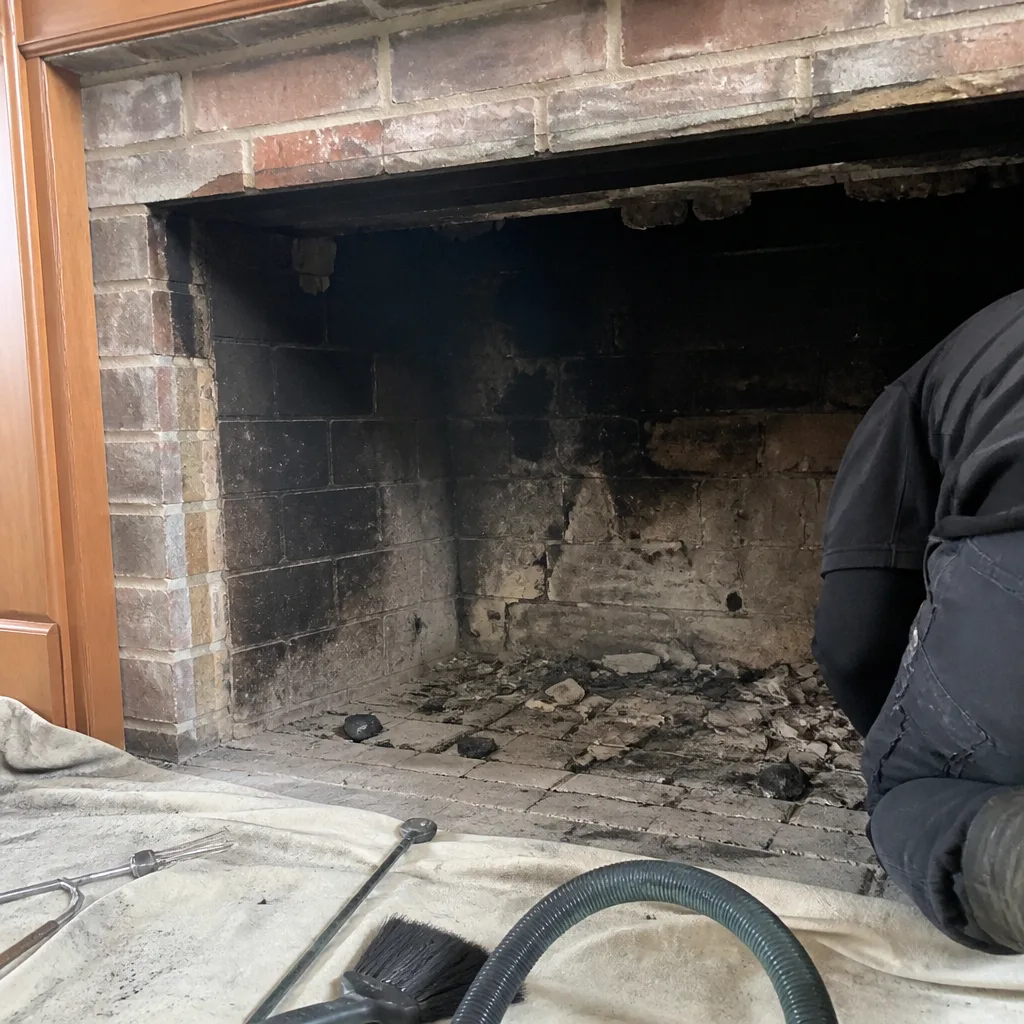 Before
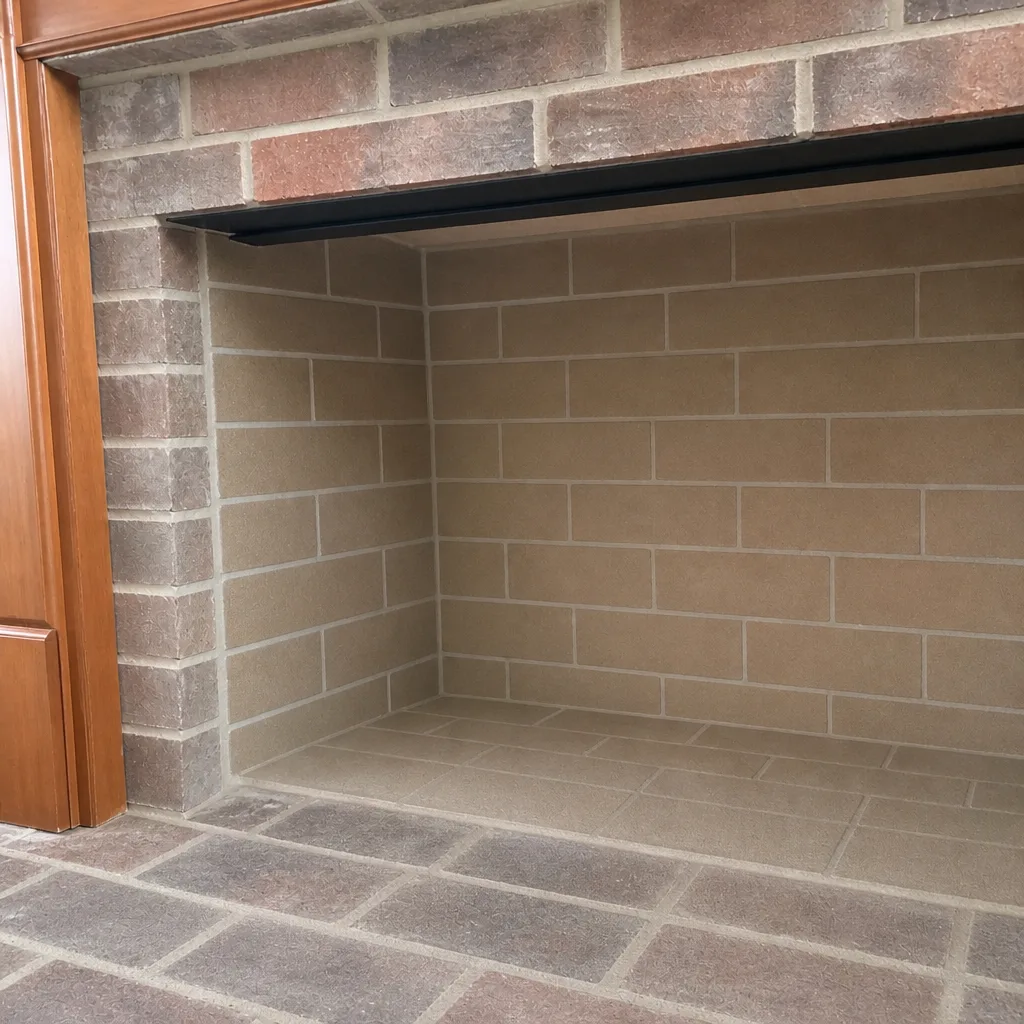 After
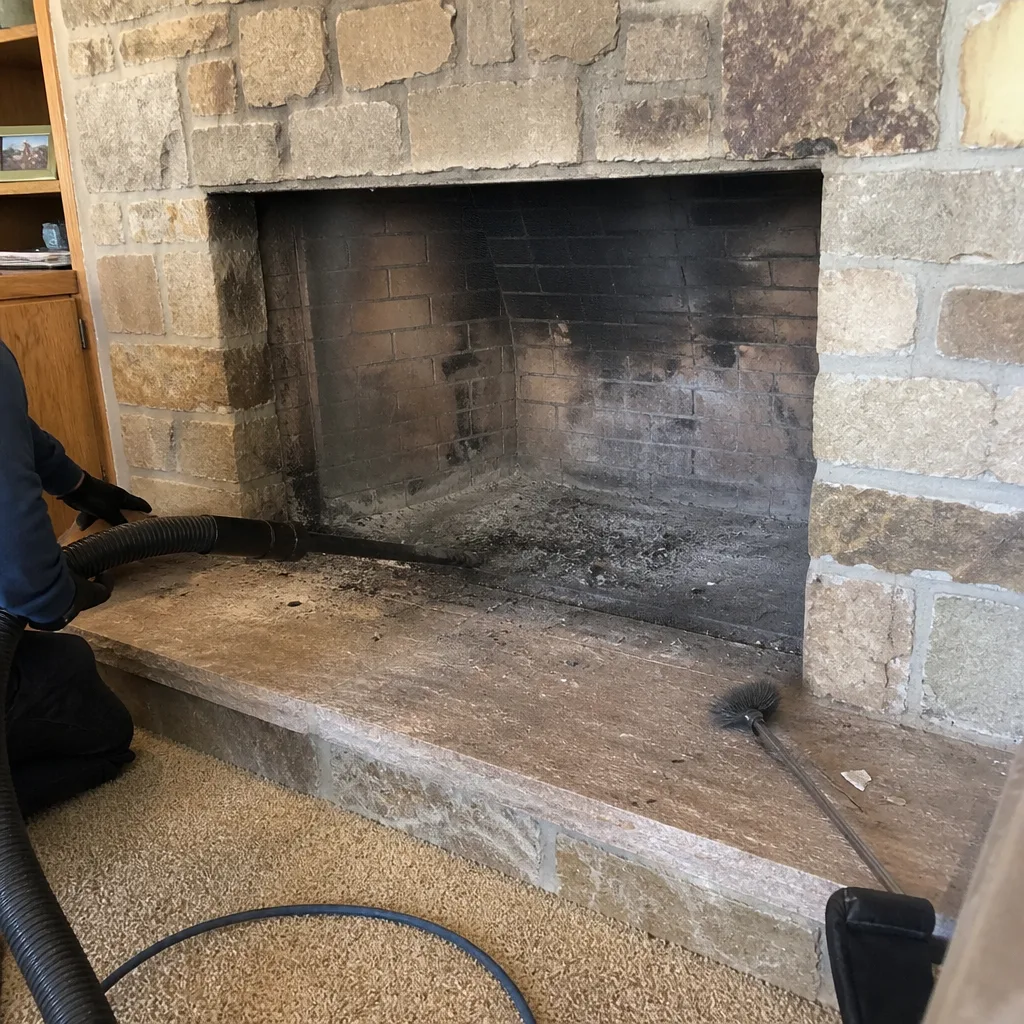 Before
 After
 Before
 After