
Last updated November 14, 2026
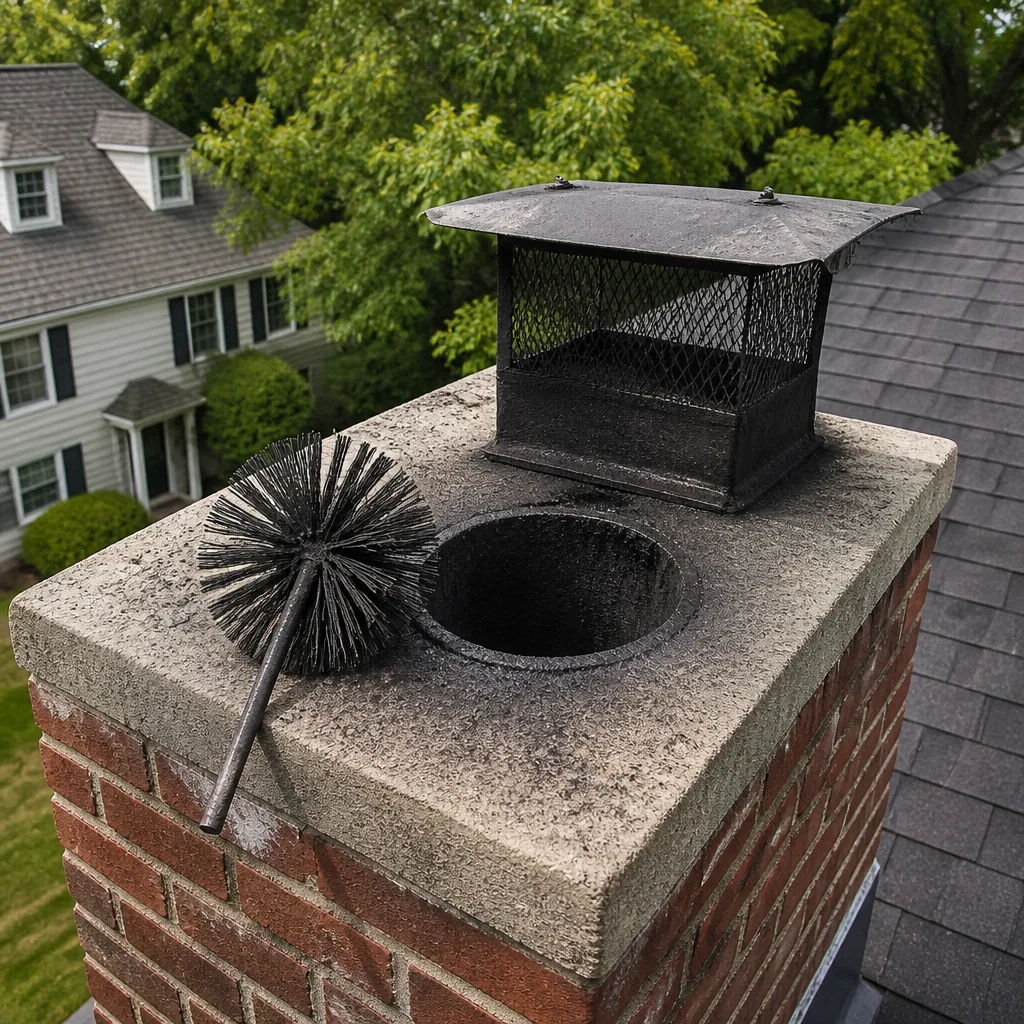 Sweep & inspection
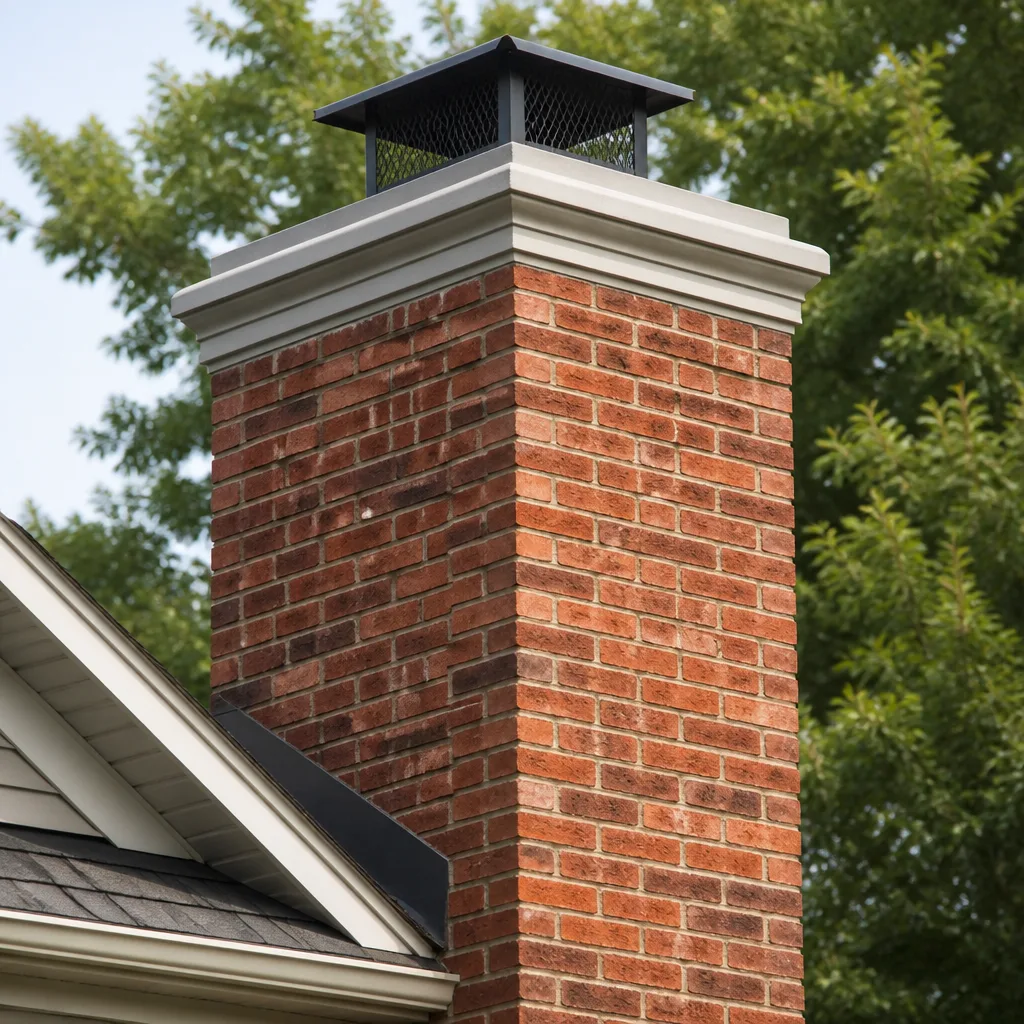 Caps & crowns
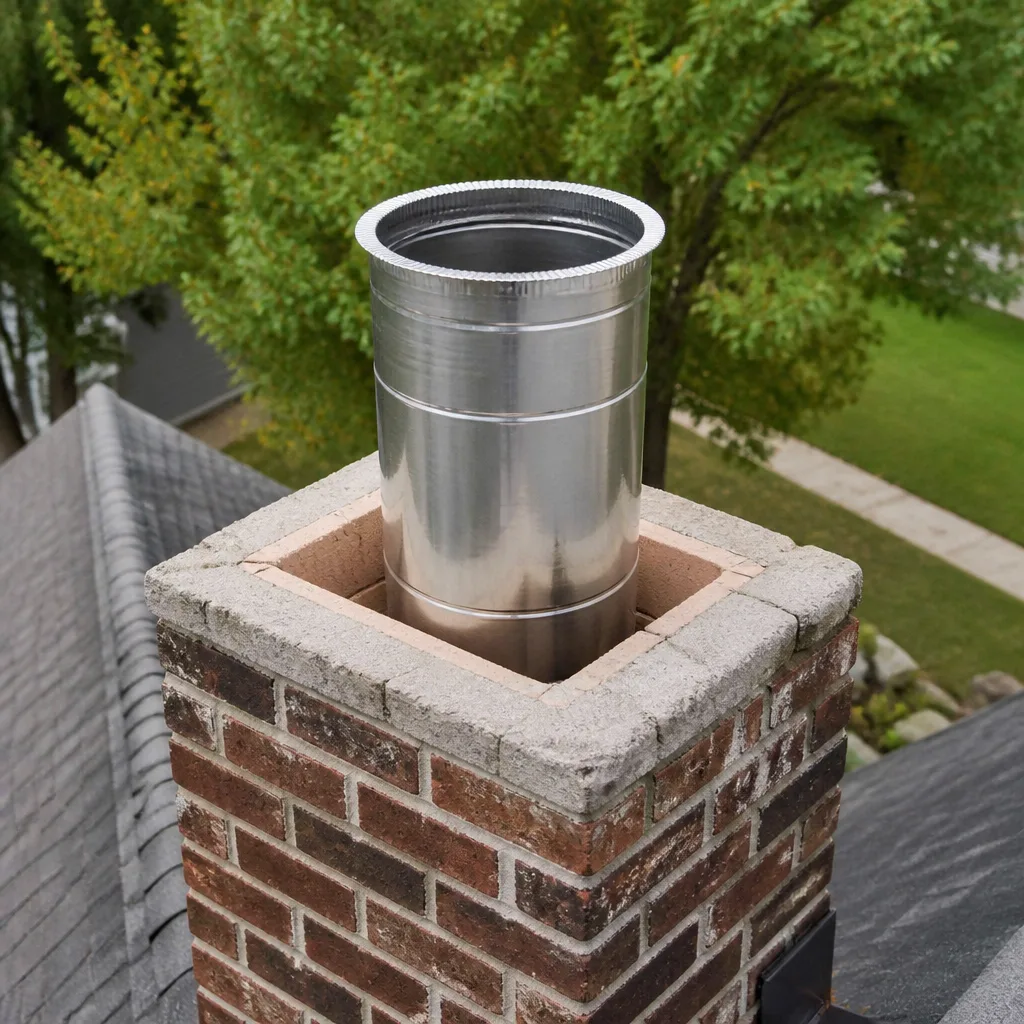 Flue relining
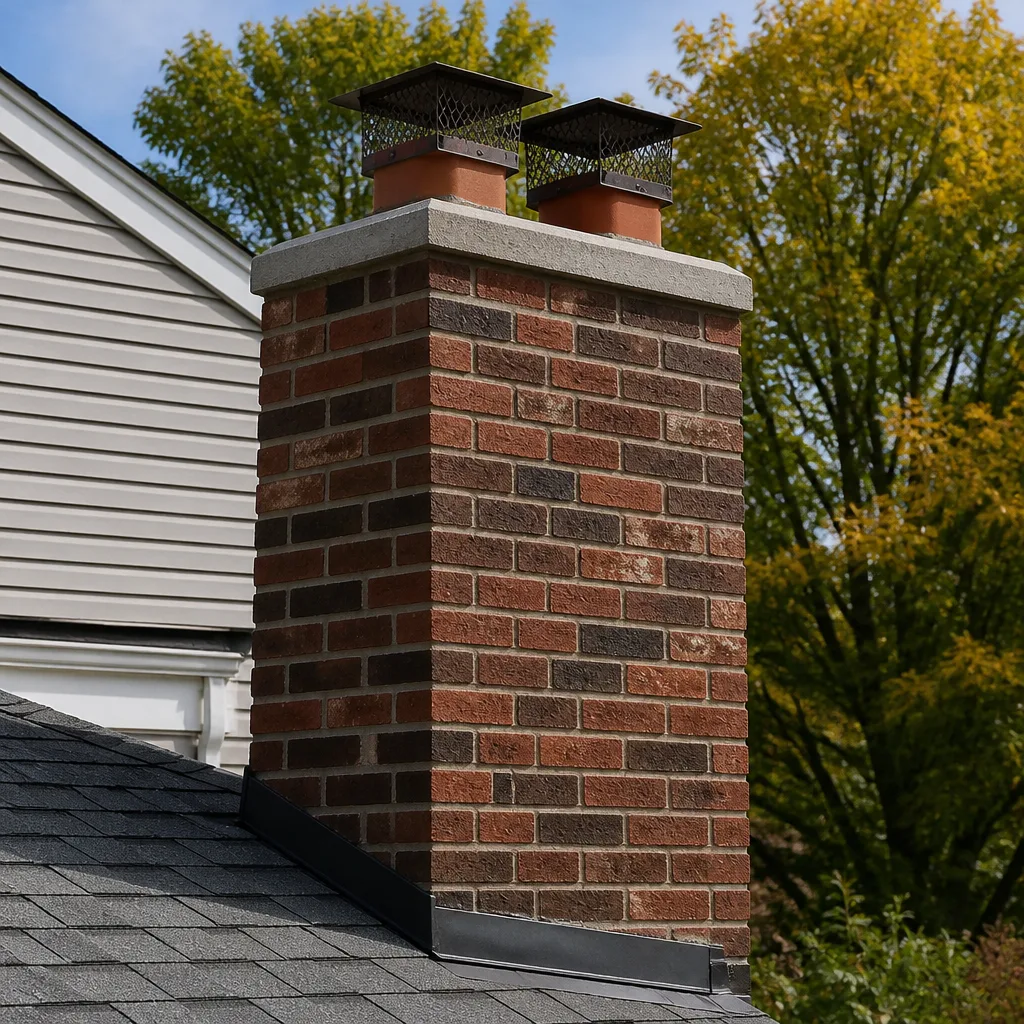 Masonry repair
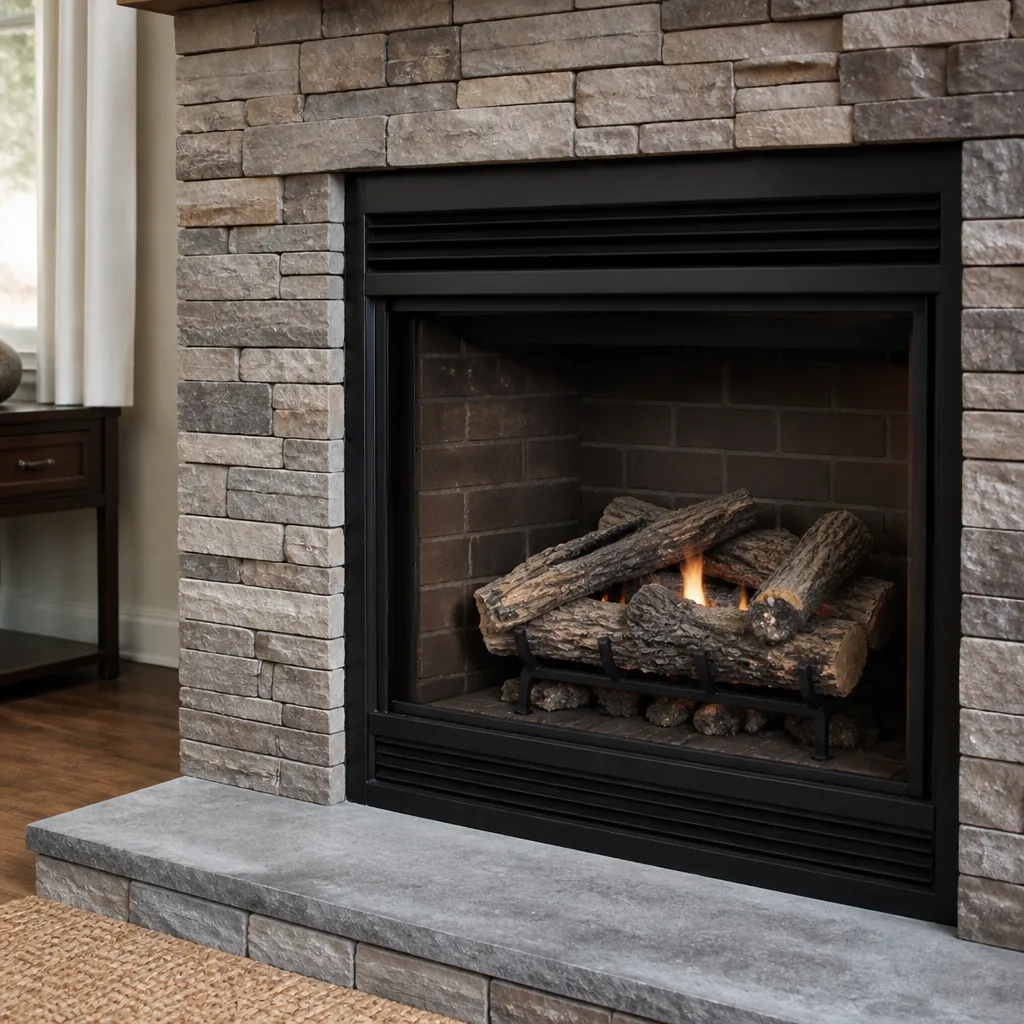 Gas fireplace service
Level 1 sweep and inspection to the NFPA 211 annual standard - flue, crown, cap, and flashing checked and photographed
Chimney sweep logs do not sweep chimneys. They loosen some creosote - which then falls where a brush and vacuum still have to collect it.
Chimney Sweep Maintenance Checklist for Meridian Homeowners
Annual cleaning is the advice everyone repeats, and it’s the wrong unit of measurement for plenty of Meridian homes. A household burning three or more cords of wood a season can need the flue swept twice a year, while a gas-insert household may go longer between cleanings but still needs the venting inspected on the same schedule a wood burner does. The calendar is a starting point, not a rule. What actually protects your home is knowing each component of your chimney, what condition it’s in, and which triggers should override the calendar entirely. This guide walks through every part of the system, the Meridian wind and freeze-thaw conditions that stress them, and how to track it all year over year.
Quick Answer
A chimney maintenance checklist for a Meridian home covers seven components: firebox, smoke chamber, flue liner, damper, crown, cap, and flashing. Each has its own inspection frequency, and each fails for its own reasons in this climate. Wood-burning homes burning three or more cords per season typically need a professional sweep and inspection twice a year, while gas and pellet appliances usually need cleaning less often but a full inspection just as frequently. Calendar dates matter less than what you find when you look, so the checklist below ties every item to a condition you can actually check rather than a month on the wall.
Styles & brands we work with
- Sweep & inspection
- Caps & crowns
- Flue relining
- Masonry repair
- Gas fireplace service
Table of Contents
- The Component-by-Component Checklist
- How Often Should Each Part Be Checked?
- How to Self-Inspect Between Professional Visits
- Trigger-Based vs. Calendar-Based Maintenance
- Meridian Wind and Freeze-Thaw: What It Does to Your Chimney
- Documenting Chimney Condition Year Over Year
- Common Mistakes to Avoid
- When to Call a Professional
The Component-by-Component Checklist
A chimney isn’t one thing. It’s a stack of separate parts that fail on different timelines, and lumping them together under “get it cleaned once a year” is how problems hide. Here’s what each component does and what you’re checking for when you or a technician looks at it.
- Firebox. Check the brick and mortar joints for cracks, spalling, or loose pieces. The firebox takes the hottest direct heat in the system, so mortar joints here degrade faster than anywhere else in the chimney.
- Smoke chamber. This is the sloped area above the firebox that funnels smoke into the flue. Its shape is critical to draft, and rough or heavily glazed surfaces here collect creosote the sweep can’t reach with a standard brush. It’s one of the most commonly skipped areas on a DIY pass.
- Flue liner. Check for cracked or displaced tiles, gaps at the joints, and heavy creosote glazing. The liner is the barrier between flue gases and the structure of your home; a compromised liner is the single biggest safety failure in the system.
- Damper. Check that it opens fully, seats closed without gaps, and isn’t warped or rusted into position. A damper that doesn’t close lets heated air escape up the flue when the fireplace is idle.
- Crown. Check the concrete cap at the top of the chimney for hairline cracks, crumbling edges, or separation where it meets the flue. Cracks here let water in, and water is the slow destroyer of everything below.
- Cap. Check that it’s secure, intact, and properly sized to shed water and keep animals out. A loose or missing cap exposes the flue to rain, snow, and nesting birds.
- Flashing. Check the metal seal where the chimney meets the roofline. Lifted, rusted, or separated flashing is a leak path into the attic and ceiling, and it’s easy to miss from the ground.
Each of these has a different check frequency, and the next section breaks that down. A proper chimney sweep visit in Meridian should hit every one of them, not just run a brush through the flue and leave.
How Often Should Each Part Be Checked?
Not every component needs the same attention. Here’s a practical frequency guide based on how each part wears, adjusted for how much you actually burn.
- Firebox and smoke chamber: Inspect twice a year if you burn wood regularly, once a year for occasional use.
- Flue liner: Professional inspection annually at minimum; twice annually if you burn three or more cords a season, because creosote buildup rate scales with fuel volume.
- Damper: Check every season before first fire, plus anytime you notice draft problems or smoke rolling into the room.
- Crown and cap: Inspect from the roof annually, and after any significant wind event. These are the parts Meridian’s weather stresses hardest.
- Flashing: Inspect annually and after any roof work, gutter cleaning, or storm. Separation here is slow and quiet until it isn’t.
For a gas appliance, the schedule shifts. Gas fireplaces and inserts don’t produce creosote the way wood does, so the flue may need cleaning less often, but the venting, the damper, and the liner still warrant the same annual inspection because gas combustion still produces moisture, and moisture is what drives deterioration. Pellet appliances sit somewhere in between: less creosote than wood, but ash and byproduct buildup that can obstruct if left too long. Whatever you burn, the annual inspection is the floor, and the Chimney Sweep Meridian team can adjust the cleaning interval to your actual burn volume.
How to Self-Inspect Between Professional Visits
You can safely check a lot of your chimney yourself between professional visits. You cannot safely do the deep work, and the line between the two matters. Here’s what falls on each side.
Safe for you to check:
- Open the damper and look up the flue with a bright flashlight. You’re looking for visible soot, creosote glazing, or light coming through cracks in the liner tiles.
- Check the firebox brick and mortar joints for cracks and loose material.
- Look at the damper from inside the firebox for rust, warping, or a poor seal.
- From the ground with binoculars, check the cap and crown for obvious cracks or missing pieces.
- Look at the ceiling and attic near the chimney for water stains after heavy rain.
Not safe to do yourself: climbing onto the roof to check the crown and flashing closely, and anything that involves reaching into or working around the flue interior. If reaching up the flue means putting weight on a liner tile or disturbing the flue, don’t. The liner is fragile and a careless poke can crack a tile that was intact. Roof work is a height hazard before it’s a chimney problem, and steep or wet roof surfaces in Meridian’s winter conditions aren’t the place to learn a new skill.
When you do look down or up the flue, do it with light only. No tools. If something looks wrong, stop and write down what you saw so you can describe it accurately when you call.
Trigger-Based vs. Calendar-Based Maintenance
The calendar is a useful default, but specific conditions should override it and send you to the phone regardless of how long it’s been since the last visit. These are the triggers worth memorizing.
- Odor. A strong, acrid smell from the fireplace, especially on warm days or when the fireplace is idle, usually means creosote buildup or a draft issue. That smell means creosote is present in a quantity and form you want addressed.
- Draft changes. Smoke rolling into the room when you start a fire, a fire that’s harder to light than it used to be, or a downdraft on windy days all point to an obstruction, a damper problem, or a liner issue.
- Visible debris. Nesting material, leaves, or soot flakes falling into the firebox are direct evidence something is open where it shouldn’t be, often a failed cap.
- Water intrusion. Stains on the ceiling, dampness around the firebox, or rust on the damper after precipitation point to a crown, cap, or flashing failure that needs repair, not just cleaning.
- Post-storm checks. Meridian’s wind events can lift flashing, dislodge caps, and crack crowns. Any significant wind or storm is a trigger for a visual check.
- Appliance changes. Converting from wood to gas, adding an insert, or changing the appliance entirely shifts the venting requirements. That’s a trigger for a full inspection, not a routine sweep.
If any of these show up, treat the trigger as the schedule. Calendar maintenance prevents problems; trigger-based maintenance catches them once they’ve started. You need both. A dryer vent cleaning visit works on the same principle: lint buildup is a condition, not a date, and the same fire-safety standards apply.
Meridian Wind and Freeze-Thaw: What It Does to Your Chimney
Chimney components fail faster here than in milder climates, and the two culprits are wind and the freeze-thaw cycle. Understanding how each one works tells you what to look for and when.
Freeze-thaw and the crown. Meridian swings between freezing nights and warmer days through much of the cold season. Water gets into hairline cracks in the concrete crown, freezes overnight, expands, and widens the crack. It thaws, refreezes, and the cycle repeats all winter. A crown that starts with a hairline crack can develop crumbling edges and separation from the flue over a single season of this. That’s why crown cracks are a top inspection priority here and why the check should happen before the freezing weather sets in, not after.
Wind and flashing. Wind-driven rain and gusty conditions work at the flashing where the chimney meets the roof. Metal lifts, fasteners loosen, and sealant ages. Meridian’s wind events accelerate that process, and the resulting leak shows up as a ceiling stain long before anyone thinks to look at the roof. The same wind stresses caps, and a loose cap is how birds and debris get into the flue.
What to check on the Meridian schedule:
- Inspect the crown for cracks and separation before the first hard freeze of the season.
- Check the cap for security after any significant wind event.
- Look at the flashing from the ground or with binoculars after wind-driven rain, and note any interior water stains.
- Schedule the annual professional inspection in the shoulder season so any needed repair can happen before the weather turns.
These are the specific stresses that make a Meridian chimney checklist different from a generic one. The parts are the same everywhere; the failure timeline isn’t.
Documenting Chimney Condition Year Over Year
Gradual deterioration is the hard kind to catch. A crown that’s been slowly cracking for three years looks normal in any single inspection. A liner tile that’s been shifting a millimeter a year doesn’t announce itself. The way you catch slow problems is by recording condition and comparing, not by judging each inspection in isolation.
Here’s a simple system any homeowner can keep:
- Keep a dated log. Note the date of each inspection, who did it, and what was found. One notebook or a notes file is enough.
- Record specifics, not impressions. “Crown has a hairline crack on the north side, about two inches” is useful. “Crown looked okay” is not. Specifics let you compare year to year.
- Take photos from the same angles each time. Ground-level photos of the crown and cap, and interior photos of the firebox and damper, give you a visual baseline you can actually compare.
- Note the cleaning yield. How much soot and creosote came out, and in what form. A change in yield tells you whether your burning habits or fuel quality have shifted.
- Track repairs and materials. What was repaired, when, and with what. Knowing a crown was sealed two years ago changes how you read a crack today.
- Review the log before each inspection. Hand it to the technician or review it yourself so the visit is a comparison against a baseline, not a fresh start.
This is the part most homeowners skip, and it’s the part that turns a checklist into a record that actually protects the house. When a professional can see where things stood last year, a slow trend becomes obvious.
Common Mistakes to Avoid
- Treating the annual sweep as the whole checklist. A cleaning handles the flue and firebox. It doesn’t tell you about the crown, cap, or flashing unless the technician actually inspects them. Ask what was checked, not just whether it was cleaned.
- Skipping inspection on gas and pellet appliances. The cleaning interval differs, but the inspection frequency doesn’t. Gas venting still produces moisture that drives deterioration, and moisture damage is a structural issue before it’s a fire issue.
- Poking around inside the flue. A flashlight is safe. A tool reaching up the flue is not. Liner tiles are fragile, and a cracked tile you caused is a repair you now need.
- Waiting for a draft problem before checking the cap. By the time smoke rolls into the room, an obstruction has already been building. A loose cap after a Meridian wind event is the warning, not the smoke.
- Ignoring a ceiling stain. Water stains near the chimney point to crown, cap, or flashing failure. Left alone, water works its way into the framing and the problem gets more expensive, not less.
- Assuming a general contractor can handle chimney repair. Sweeping, liner work, and crown repair are specialist work with specialist materials. A generalist quoting liner replacement without inspecting the flue properly is a quote without a diagnosis.
- Not keeping a record. Feeling like the chimney “seems fine” every year is exactly the trap that lets slow deterioration become a surprise. Written specifics and dated photos catch what memory can’t.
When to Call a Professional
Some jobs are yours. Here’s where the line falls, and it’s usually earlier than homeowners think.
Call a professional if you see visible creosote glazing in the flue, if a draft change sends smoke into the room, if the damper won’t seat or close, if you find cracked or displaced liner tiles, if the crown has separation or crumbling edges, or if the flashing has lifted or the ceiling shows water stains. Call when you change appliances, convert fuel types, or move into a home with an unknown chimney history. Call if a trigger from the list above shows up, even if the last cleaning was recent.
The reason to call a specialist rather than a generalist is that specialist work needs specialist diagnosis. Damaged flue tiles don’t always mean a full liner tear-out. A trained crew can resurface the flue with a ceramic process like HeatShield, which restores the tiles without the cost of a complete relining. For offset or irregular flues where rigid liner won’t fit, a flexible liner such as DuraFlex handles configurations that a rigid-only installer can’t. Parts readiness matters too: access to brands like Copperfield and Gelco covers caps, dampers, and venting components, which means a single-visit resolution far more often than a quote-and-return-weeks-later arrangement.
Chimney Sweep Meridian offers free estimates in Meridian. Our technicians have up to 15 years of experience, and we keep sweep, repair, and liner work under one company, so you’re not passed from a cleaning crew to a separate contractor. Call (866) 361-7607. We answer 24/7. Fast dispatch from 7am to 7pm, Sunday through Friday.
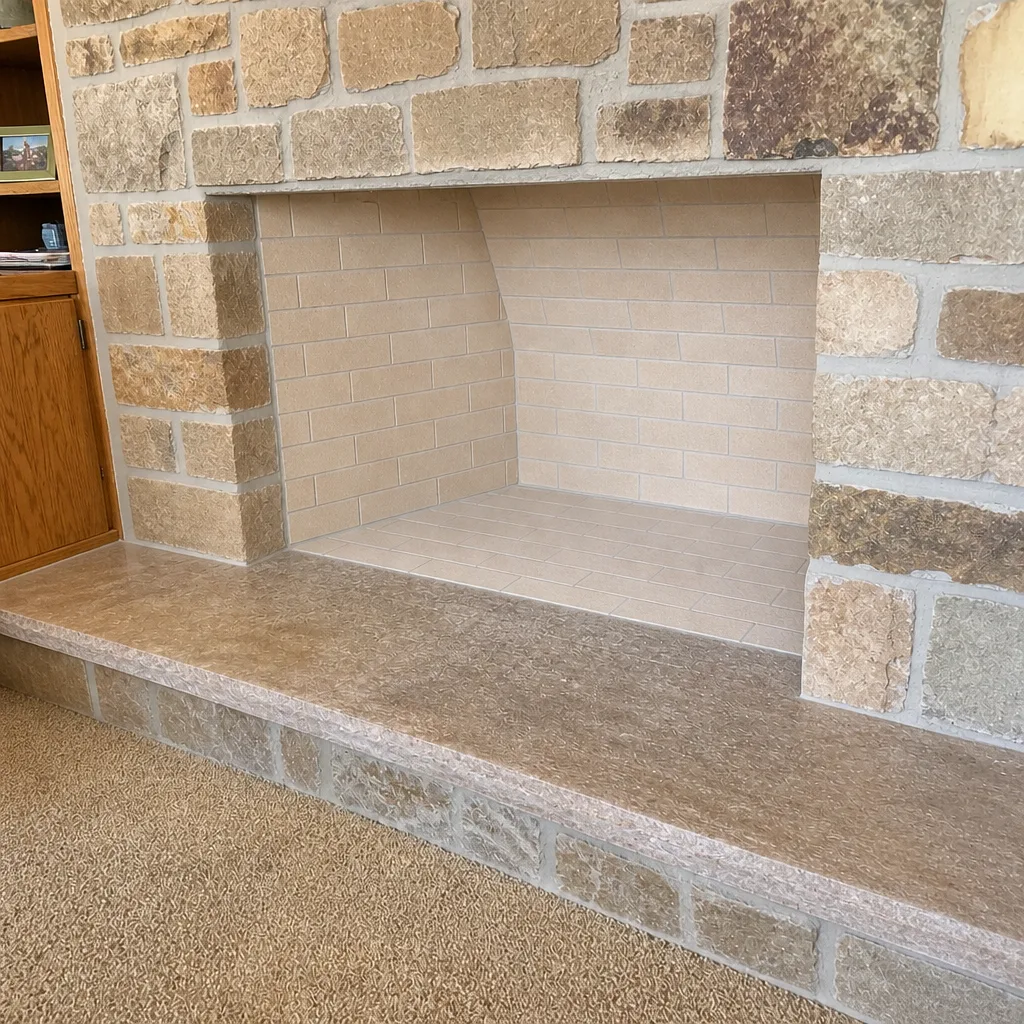
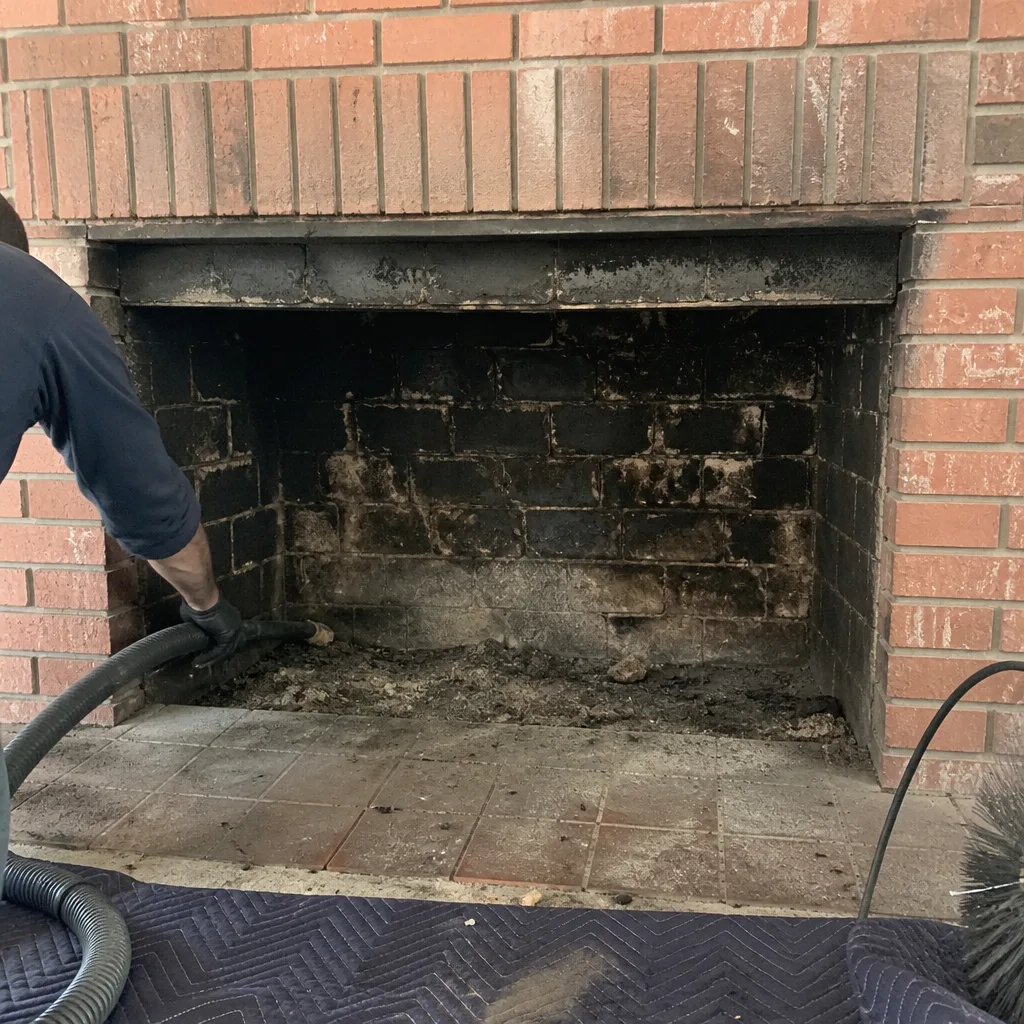
See the difference
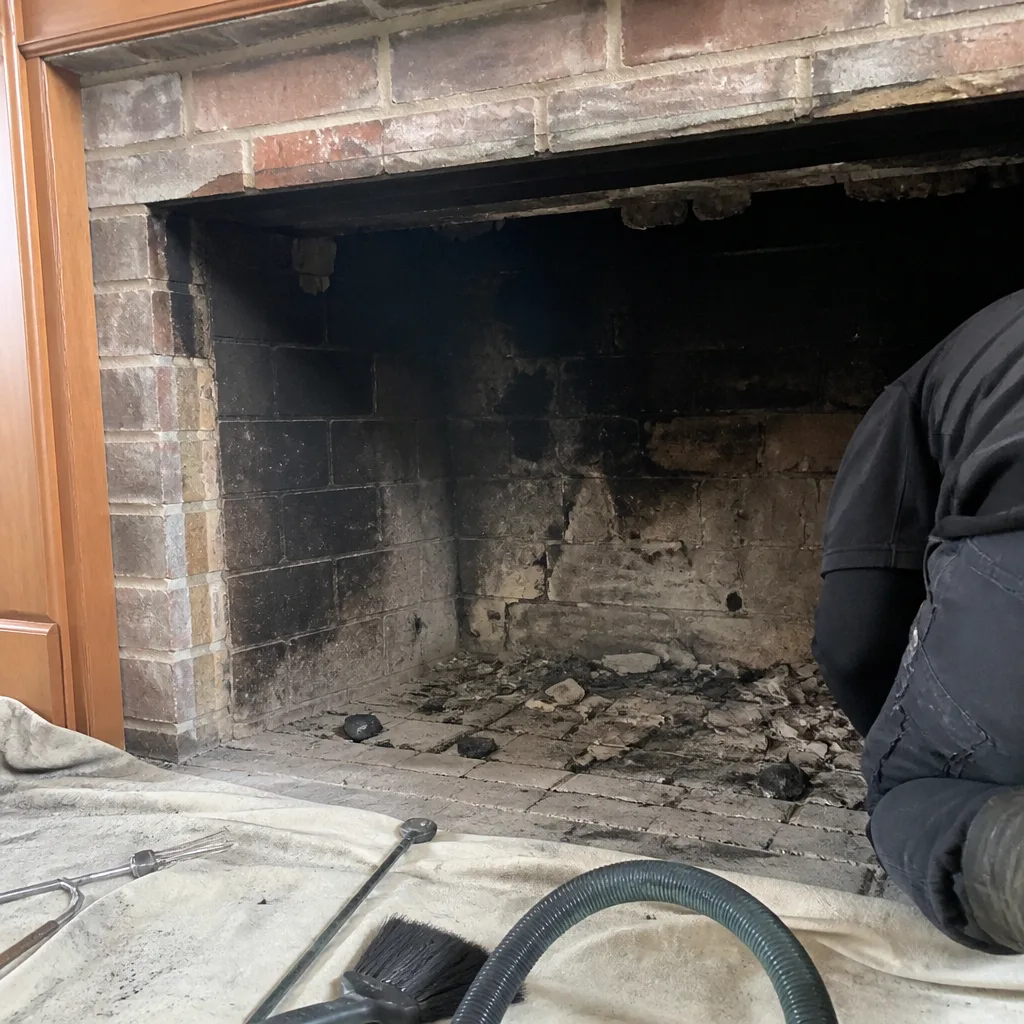 Before
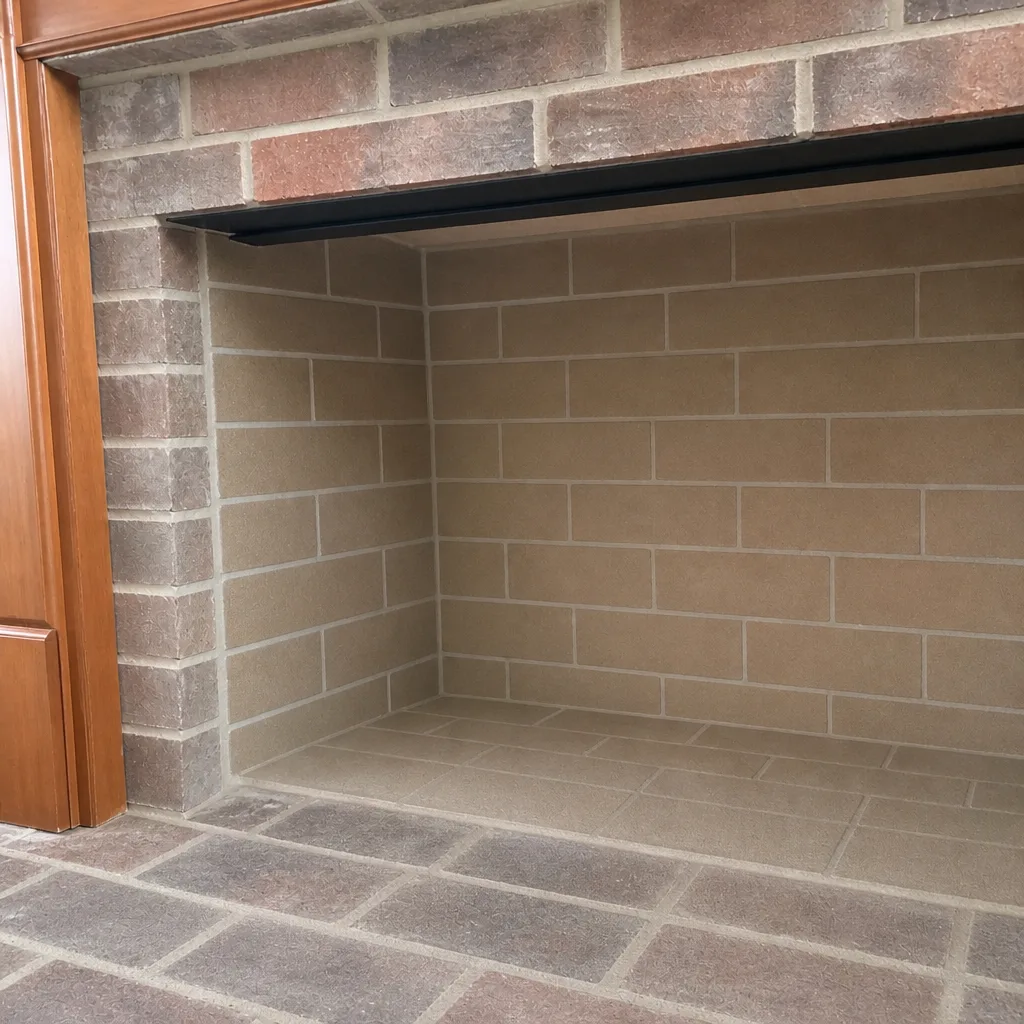 After
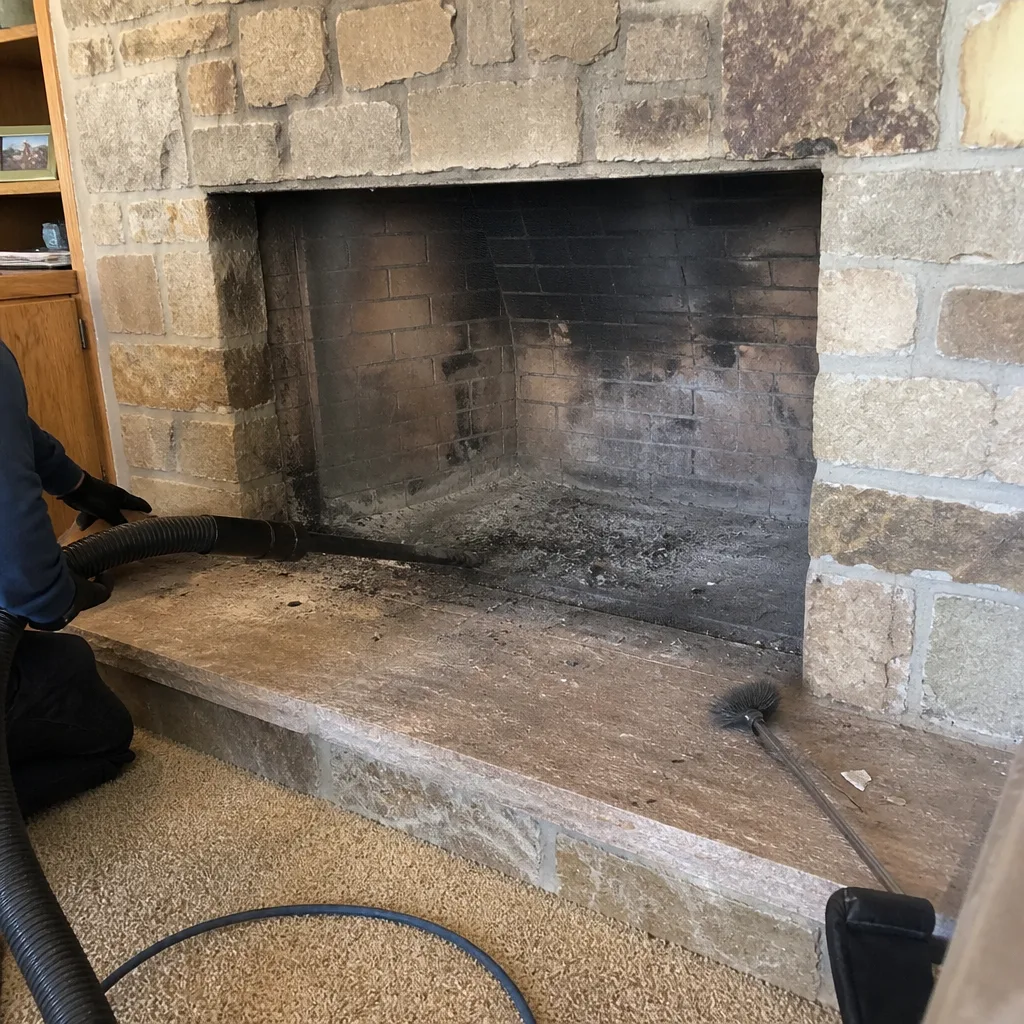 Before
 After
 Before
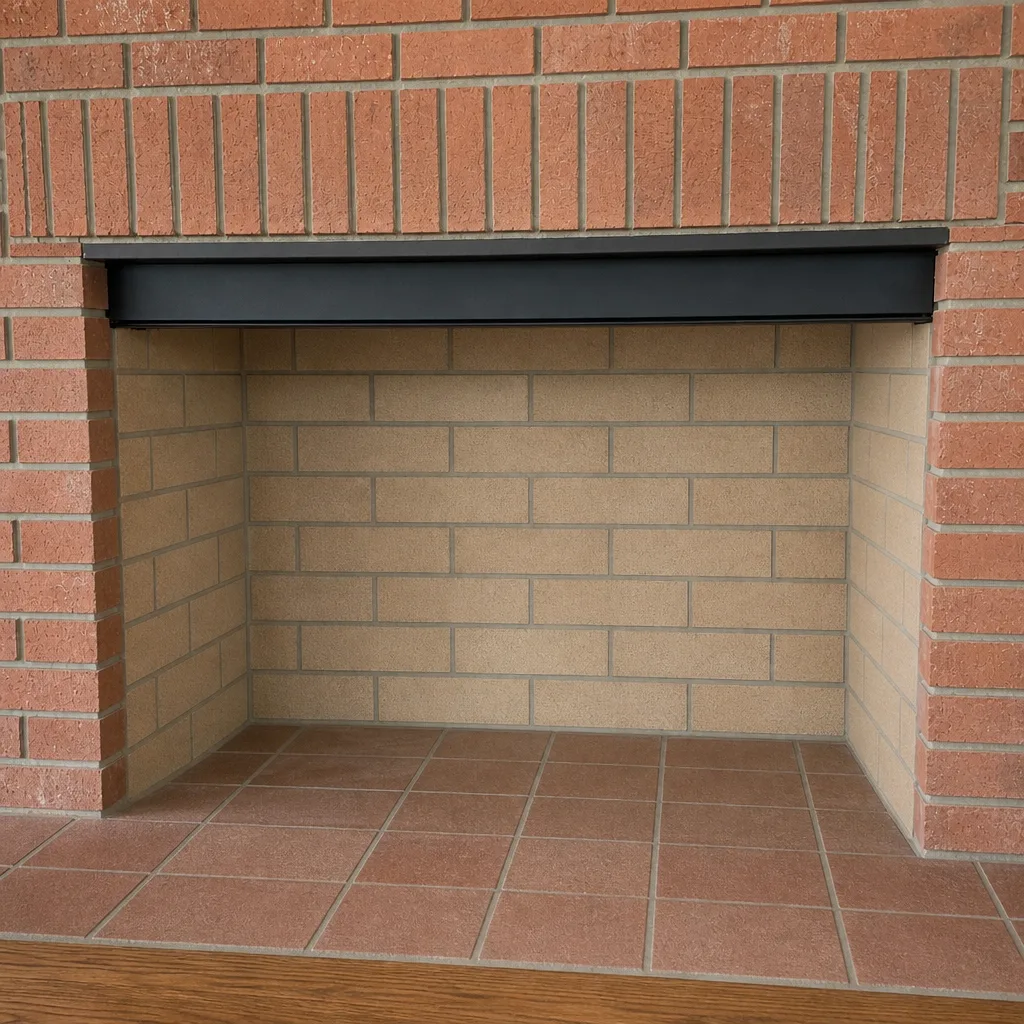 After
Frequently Asked Questions
A wood-burning chimney in Meridian should typically be swept once a year, and twice a year if you burn three or more cords per season. A gas appliance usually needs cleaning less often but an annual inspection at the same frequency, because gas venting still produces moisture that drives deterioration. The right interval depends on your fuel and your burn volume, so treat the annual sweep as a starting point and let inspection findings adjust it. Call (866) 361-7607 for an exact quote on a sweep – estimates are free.
A full checklist covers seven components: firebox, smoke chamber, flue liner, damper, crown, cap, and flashing. Each needs its own inspection frequency, from twice a year for the firebox and smoke chamber in heavy-use wood homes to annually for the liner, crown, cap, and flashing. A checklist that only covers the flue misses the parts that fail most often in Meridian’s climate, particularly the crown and flashing. Call (866) 361-7607 to book an inspection that covers the whole system.
Not always. A damaged flue liner doesn’t automatically mean a full liner tear-out. A trained technician can resurface cracked or damaged flue tiles with a ceramic restoration process like HeatShield, restoring the liner without the cost of complete replacement. For complex or offset flue configurations, a flexible liner such as DuraFlex can route where a rigid liner won’t. The right answer depends on what the inspection actually finds, so ask for a diagnosis with the quote, not just a number. Call (866) 361-7607 for a free estimate.
Skipping maintenance lets creosote accumulate in the flue, and creosote is fuel for a chimney fire. It also lets water damage from a failed crown or flashing work its way into the structure, and it lets a damaged liner go unnoticed. In Meridian, the freeze-thaw cycle accelerates crown cracking through the cold season, so a skipped inspection in fall often means a bigger repair in spring. The cost of prevention is far lower than the cost of a fire or a structural repair. Call (866) 361-7607 for a free estimate.
You can safely check several parts yourself: look up the flue with a flashlight for visible debris or creosote, check firebox brick and mortar for cracks, and inspect the damper from inside the firebox for rust and a poor seal. You can check the cap and crown with binoculars from the ground. What you shouldn’t do is climb onto the roof for close work or reach tools into the flue, because the liner tiles are fragile and roof surfaces are a fall hazard. Leave those to a trained technician. Call (866) 361-7607 to schedule a professional inspection.
Meridian’s wind and freeze-thaw cycles make two components fail faster than in milder climates: the crown and the flashing. Freeze-thaw widens hairline cracks in the crown season after season, and wind-driven rain lifts flashing where the chimney meets the roof. That makes an annual crown and flashing check essential here, ideally timed before the first hard freeze. The parts of your chimney are the same as anywhere; the failure timeline is not. Call (866) 361-7607 to book a Meridian inspection.
The Bottom Line
A chimney maintenance checklist should be built around components and conditions, not a single date on the calendar. Check all seven parts, adjust your cleaning interval to your actual burn volume, and record what you find year over year so slow deterioration shows up before it becomes structural. Treat odor, draft changes, visible debris, and water intrusion as triggers that override the annual schedule, and prioritize the crown and flashing because Meridian’s wind and freeze-thaw stress them hardest. Document specifics and take photos from the same angles each time. And when you need a specialist who can diagnose and repair, not just sweep and leave, we’re here for Meridian homeowners. Call (866) 361-7607 for a free estimate. We answer 24/7. Fast dispatch from 7am to 7pm, Sunday through Friday.
Written by the team at Chimney Sweep Meridian.