
Last updated November 14, 2026
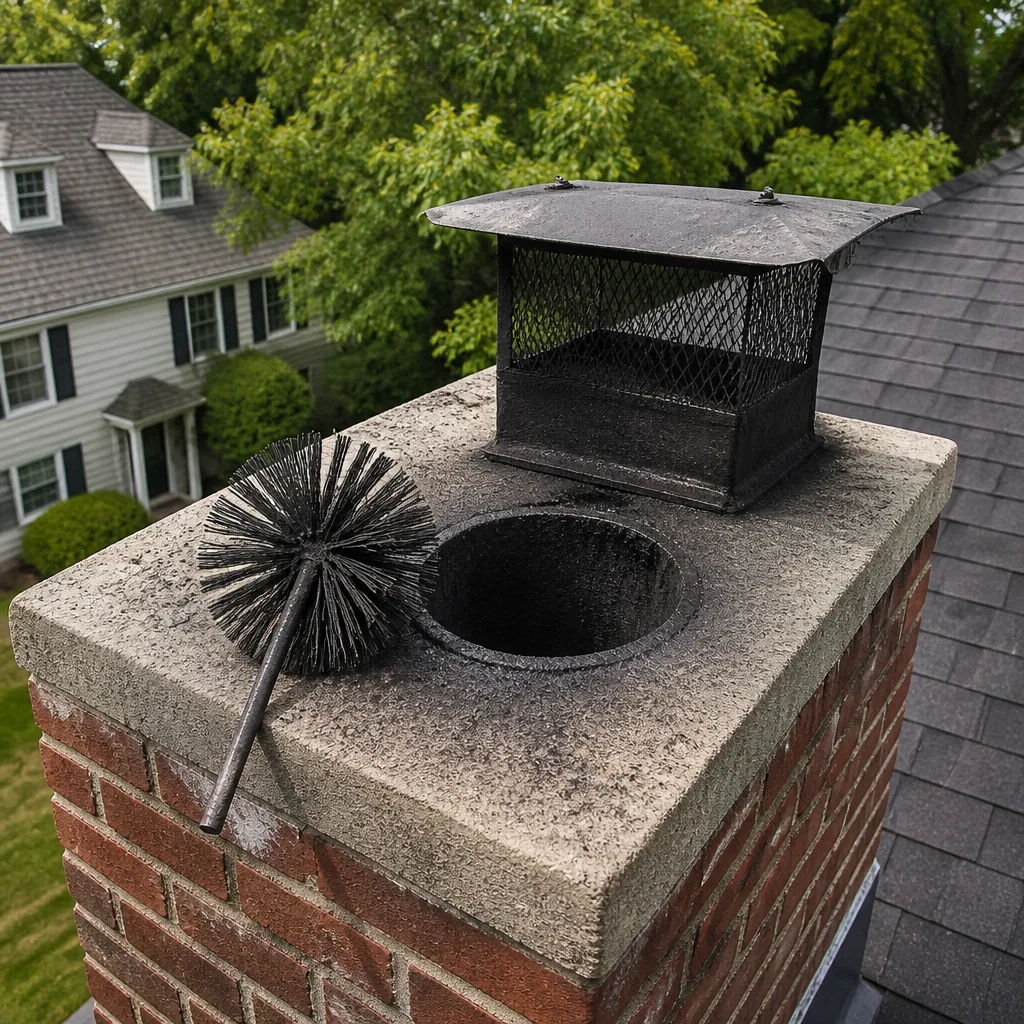 Sweep & inspection
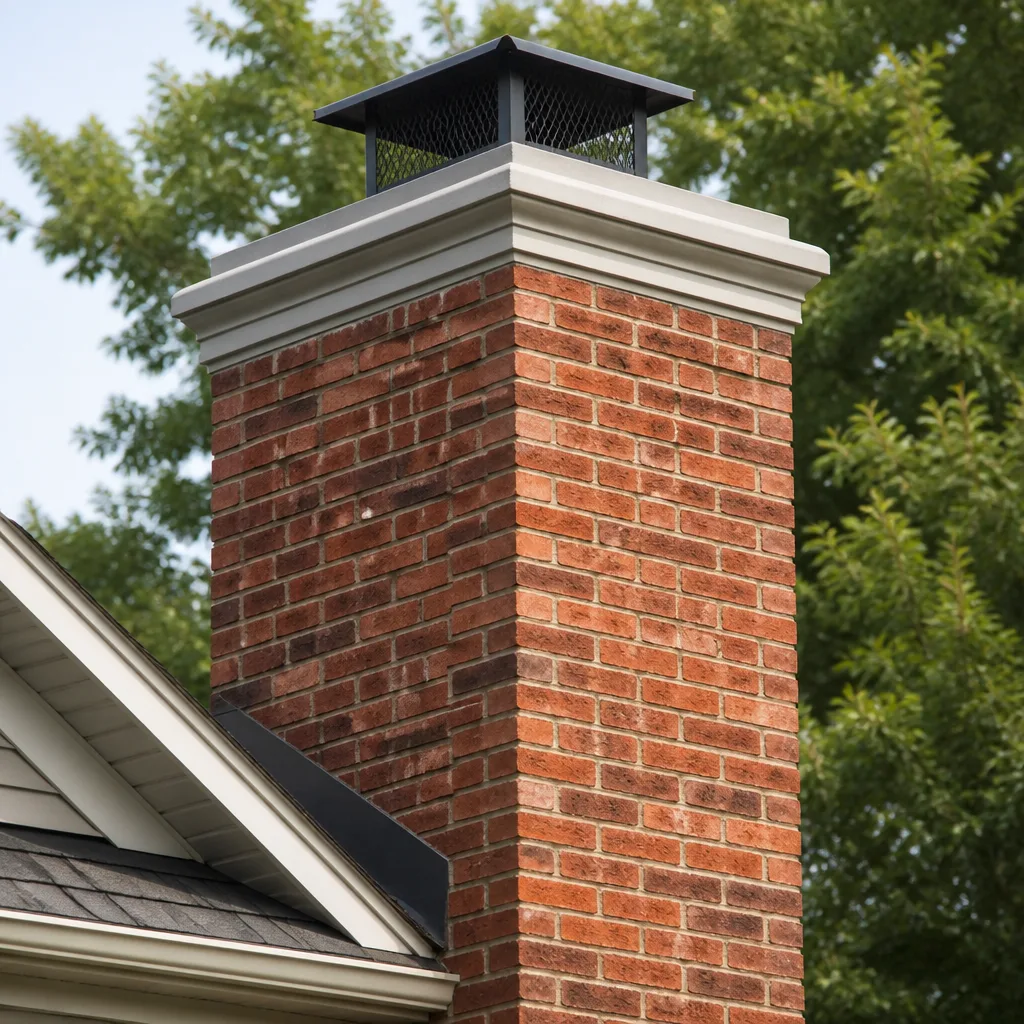 Caps & crowns
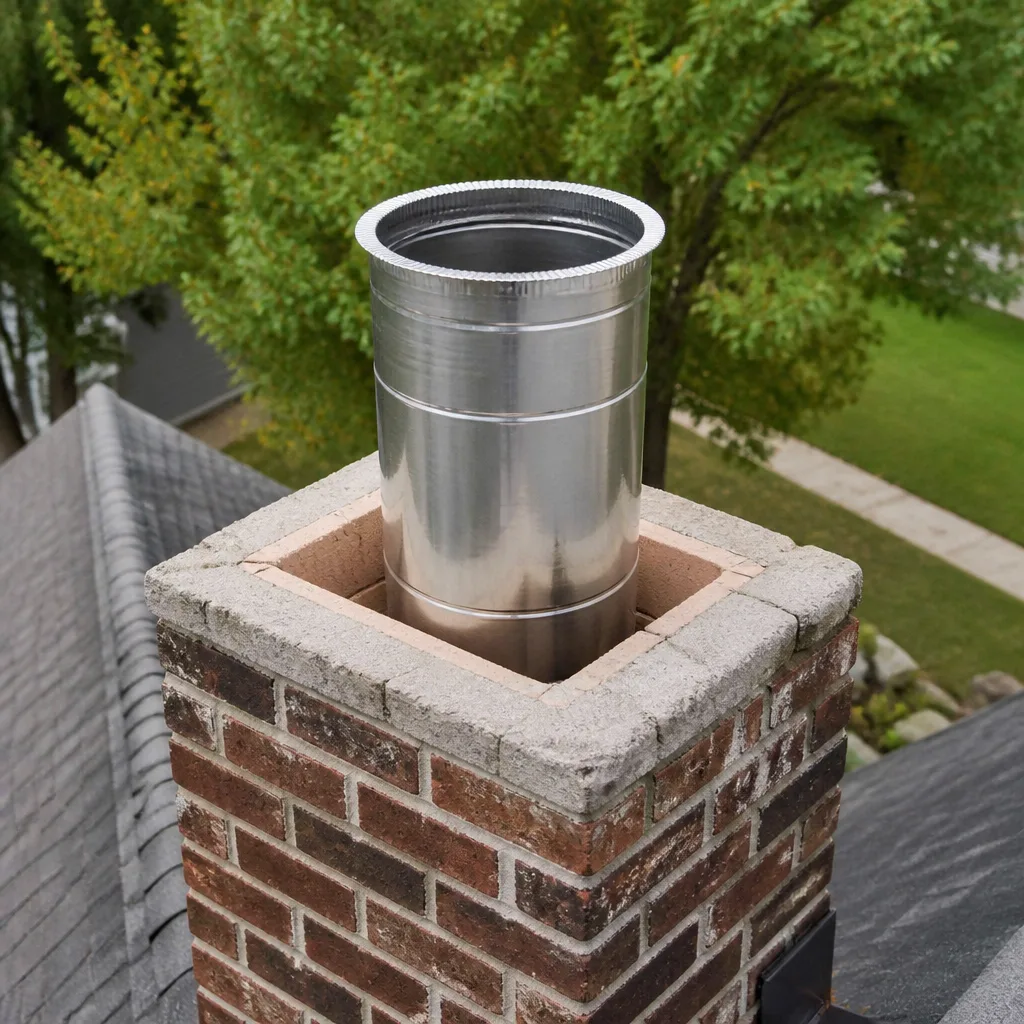 Flue relining
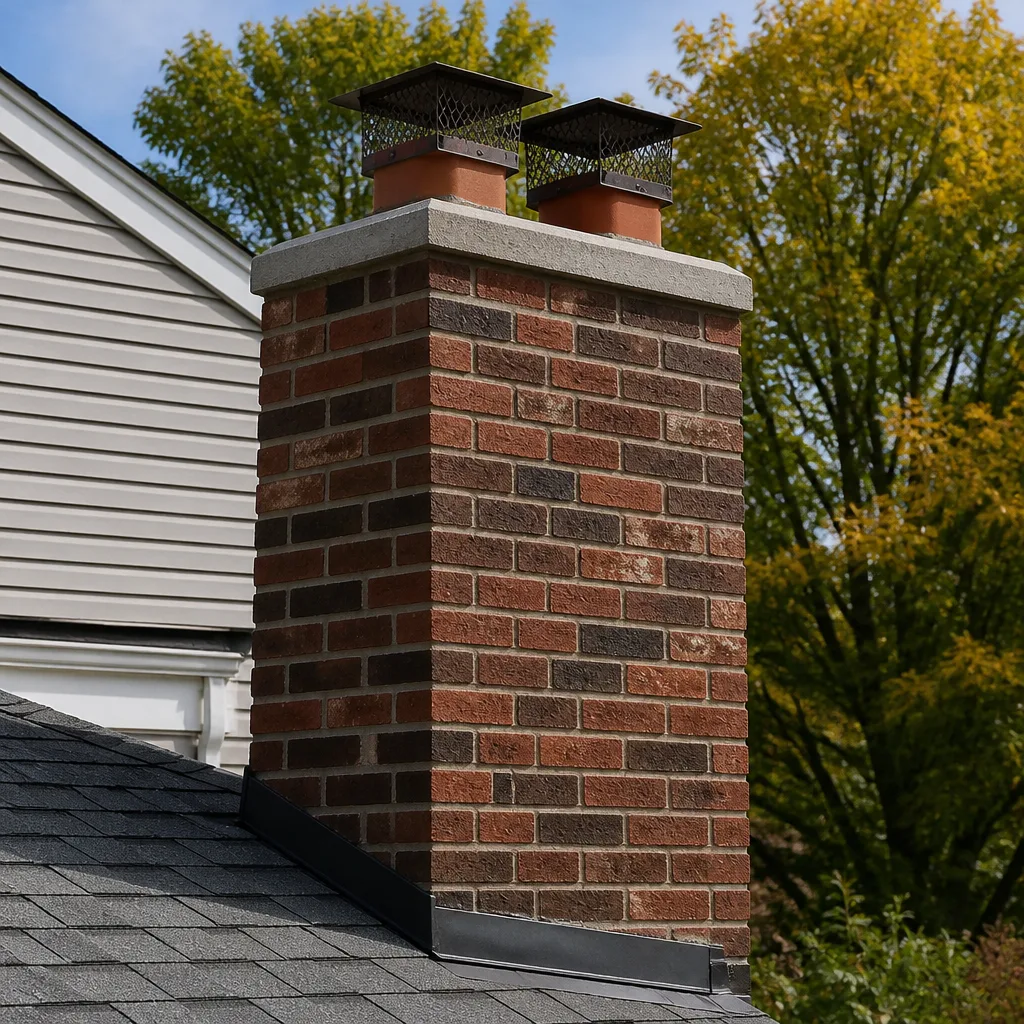 Masonry repair
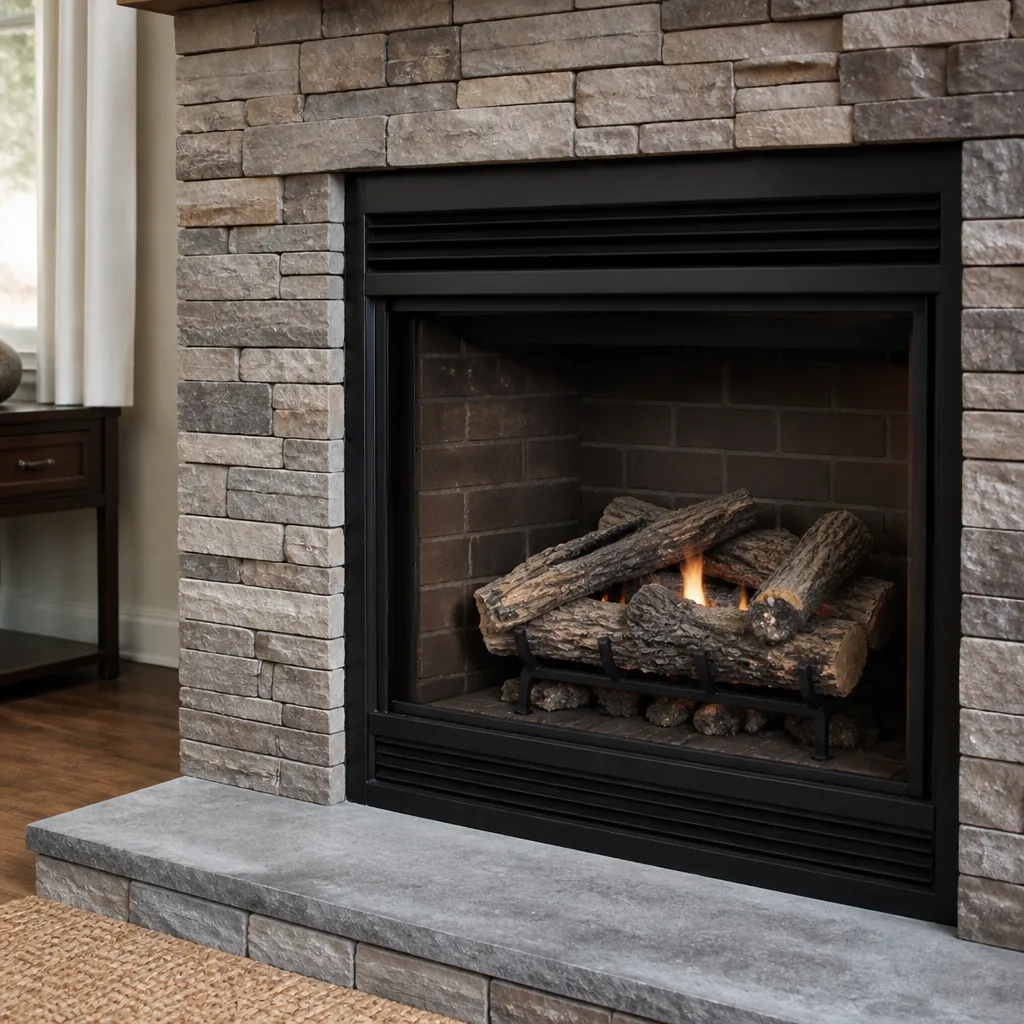 Gas fireplace service
Level 1 sweep and inspection to the NFPA 211 annual standard - flue, crown, cap, and flashing checked and photographed
Chimney sweep logs do not sweep chimneys. They loosen some creosote - which then falls where a brush and vacuum still have to collect it.
Choosing the Right Chimney Cleaning Brand: A Buyer’s Guide for Meridian
Walk into any hardware store in the Treasure Valley and you’ll find shelves of products promising to clean your chimney, seal your crown, or fix your draft. Most of them do something, but almost none of them do what the packaging implies. A creosote sweeping log, for example, doesn’t sweep anything. It changes the chemistry of what’s already stuck to your flue so a brush can knock it loose later. That distinction matters because homeowners who buy the wrong products don’t just waste money; they sometimes make the problem worse. In this guide, we’ll walk through what actually works for chimney maintenance between professional visits in Meridian, what to avoid, and where the line sits between a product you can apply yourself and one that belongs in trained hands.
Quick Answer
The only chimney cleaning products a homeowner should apply between professional sweeps are creosote sweeping logs (used correctly, as a conditioning tool, not a replacement for brushing) and penetrating masonry sealants that meet ASTM standards for water repellency. Surface coatings, DIY liner repair kits, and generic draft “fixes” sold online either trap moisture, fail under heat, or mask a flue sizing problem that needs structural correction. Everything else in this category is either unnecessary or should be handled by a trained chimney technician.
Styles & brands we work with
- Sweep & inspection
- Caps & crowns
- Flue relining
- Masonry repair
- Gas fireplace service
Table of Contents
- What Creosote Sweeping Logs Actually Do (and Don’t Do)
- Waterproofing Sealants: Penetrating vs. Surface Coatings
- Chimney Cap Materials for Meridian’s Climate
- Draft Products: When They Solve a Problem and When They Don’t
- Why Liner Repair Products Aren’t Homeowner-Applicable
- How to Read a Chimney Product Label Like a Technician
- Common Mistakes to Avoid
- When to Call a Professional
What Creosote Sweeping Logs Actually Do (and Don’t Do)
Creosote sweeping logs are a chemical conditioning product, not a cleaning product. They release metallic salts and other compounds as they burn that react with Stage 1 creosote, the soft, flaky, tar-like deposit that builds up in the first weeks of a heating season, and make it more brittle. That brittleness matters because brittle creosote brushes off far more easily than gummy creosote. Without that conditioning, a brush can skate over soft creosote and leave most of it behind.
What they don’t do is remove the creosote for you. The package often implies a single burn will “clean” the flue. It won’t. The log conditions the deposit; the brush still has to do the work. And if your chimney has moved past Stage 1 into Stage 2 (dense, hardened, crunchy deposits) or Stage 3 (glazed, fuel-rich creosote), the log has essentially no effect. Stage 3 is the genuinely dangerous stage, the one that feeds chimney fires, and it takes mechanical removal by a technician to clear.
Where the log fits in a real routine:
- Before the heating season: if you had your flue swept in spring, a CSL burned a few weeks later can help keep light deposits from hardening over the summer.
- Mid-season lightly used chimneys: if you burn occasionally, a periodic CSL (following the label) can keep Stage 1 creosote friable between annual sweeps.
- Never as a substitute: no product replaces the annual inspection and sweep, and no CSL should be used after a chimney fire or in a flue known to have heavy glaze.
One more caveat: the salts in a CSL can be corrosive to some metal liners over time when overused. If you have a stainless liner installed, follow the label’s frequency advice exactly rather than doubling up. If you’re not sure what liner you have, that’s worth a camera inspection before you burn anything else.
Waterproofing Sealants: Penetrating vs. Surface Coatings
Water is the biggest cause of chimney masonry damage in Meridian and across the Treasure Valley, and it doesn’t take a monsoon. Freeze-thaw cycles here crack brick faces and crowns, and once water gets into the masonry, spalling, flaking, and eventually structural failure follow. A proper sealant is protective. A wrong sealant is worse than nothing.
Here’s the distinction that matters:
- Penetrating (breathable) sealants soak into the masonry and line the pore walls, repelling liquid water while still letting water vapor escape from inside. They’re the right choice for brick and most crowns, and good products state compliance with ASTM test methods for water repellency and vapor transmission.
- Surface coatings (film-formers) sit on top of the masonry like paint. They block liquid water going in, but they also trap water vapor trying to get out. The trapped moisture pushes against the coating in cold weather, and eventually the coating blisters and the brick face pops off (spalling). Silicone-based film coatings are the most common offender sold to homeowners.
What to look for when buying:
- Label language: “penetrating,” “breathable,” “vapor-permeable,” or a stated compliance with ASTM D6904 or similar water-repellency standards.
- Application conditions: most penetrating sealants want masonry dry and above roughly 40°F for at least 24 hours after application. In Meridian, that usually rules out deep winter.
- Crowns vs. brick: crowns may need a dedicated crown repair product rather than a general masonry sealer. If the crown is already cracked, sealing over the crack doesn’t fix it.
If your crown has visible cracks or the brick face is already spalling, sealant alone won’t solve the problem. That’s a repair, not a coating job.
Chimney Cap Materials for Meridian’s Climate
A chimney cap protects the flue from rain, snow, birds, and debris, and it’s one of the least expensive pieces of hardware that stops real damage. The material you pick determines how long it lasts in this climate. Here’s how the three main options compare.
Galvanized Steel
Galvanized caps cost the least and are the most common builder-grade option. In the Treasure Valley, the zinc coating starts to fail in roughly 5 to 7 years under our summer UV and winter freeze-thaw. Once the coating is gone, rust moves fast, and a rusted cap can drop rust flakes down the flue and stain the roof below. If you’re replacing a cap anyway, galvanized is a stopgap, not a long-term choice.
Stainless Steel
Stainless caps carry a lifespan of 20+ years and handle both moisture and heat without corroding. They cost more up front than galvanized but are almost always the right answer for a homeowner who doesn’t want to think about the cap again. Multi-flue stainless caps and single-flue options with spark screens are both common.
Copper
Copper caps are the premium tier. They’re durable for decades, develop a patina, and look better against a brick or stucco chimney than steel. You’ll pay more for copper, and the extra cost is mostly cosmetic plus additional lifespan beyond stainless. If the chimney is visible from the street and you care about the look, it’s a legitimate upgrade. If you don’t, stainless does the same job.
One sizing note: cap size must match the flue, and the spark screen has to be sized to allow smoke while blocking birds. An oversized cap can create draft problems. This is one of the pieces of hardware we recommend having sized and fitted as part of a sweep visit, since the flue opening is easy to measure once the flue is clean.
Draft Products: When They Solve a Problem and When They Don’t
A smokey fireplace is a draft problem, and the internet is full of products that promise to fix it. Some of them work. Some of them mask a structural issue that will get worse. The trick is knowing which situation you’re in.
The three main draft products homeowners buy:
- Draft inducers: a fan-assisted unit installed on top of the chimney that mechanically pulls exhaust up the flue. Legitimate for some situations, like a flue that’s too short for the appliance’s venting requirements, or a downburst-prone location where occasional backdraft is unavoidable.
- Smoke guards: a shield that extends in front of the fireplace opening to reduce smoke spilling into the room. Useful when the opening is oversized relative to the flue, but it doesn’t solve the underlying flue-to-opening mismatch.
- Top-mount dampers: a damper installed at the top of the flue instead of at the firebox, sealed tightly when closed. These genuinely reduce heat loss and backdrafts on many older chimneys and are often a real improvement.
The problem is that chimney flues are sized to the appliance. A wood-burning fireplace with an oversized firebox and an undersized flue will smoke no matter what induction or guard you add; the flue simply can’t move enough volume. Same goes for a gas appliance vented into a flue that’s too large, which cools the exhaust before it exits and causes condensation. A draft inducer or smoke guard in those cases is a workaround, not a fix, and workarounds often come with new problems like noise, freezing dampers, or corrosion. Before you buy any draft product, get the flue sizing confirmed. That’s a fifteen-minute inspection, and it tells you whether the product is the right answer or a bandage.
Why Liner Repair Products Aren’t Homeowner-Applicable
Here’s a category where the marketing gets genuinely misleading. Products like HeatShield ceramic flue restoration and Fireguard-type spray-applied liners are applied by trained technicians, not by homeowners, and “DIY liner repair kits” sold online are not the same thing. They’re either thin smears that don’t bond to a damaged tile, or systems that require the flue to be cleaned, sized, and prepped according to a proprietary procedure.
What HeatShield actually is: a ceramic-based resurfacing system applied to the inside of an existing clay-tile flue to repair cracks and gaps in the tile joints without tearing the whole liner out. It’s an alternative to a full liner installation on a flue that would otherwise need one, and it requires trained application and proper cure conditions. Doing it wrong means the ceramic doesn’t bond, and you’ve spent money on a cosmetic fix over a real crack.
Why the DIY kits fall short:
- Prep is everything: the flue has to be clean, dry, and within a specific temperature range. A homeowner can’t verify flue condition from the firebox.
- Cure conditions: the ceramic has to cure under controlled conditions. A rushed cure in a cold flue produces a weak shell.
- Code: the repair has to restore the flue’s listing and clearance requirements. A DIY smear can’t document that.
- Diagnosis: knowing whether a flue can be resurfaced or must be relined requires a camera inspection. Guessing wrong is the expensive mistake.
We carry HeatShield for exactly this reason: it lets us repair a cracked flue tile without the cost of a full tear-out, when the inspection says that’s the right call. But it isn’t a product a homeowner should install, and the marketing that suggests otherwise is one of the few places in this category where we actively advise against the product.
How to Read a Chimney Product Label Like a Technician
Most chimney products sold to homeowners are labeled for legal reasons, not for clarity. A few things to check before you buy anything with “chimney” on it:
- Does it say what it actually does? “Cleans” usually means conditions. “Seals” can mean penetrating or film-forming; look for the word “breathable” or an ASTM reference.
- Is there a temperature rating? Anything applied to a flue or a firebox needs a temperature rating well above flue gas temperatures. Products without one are usually for exterior use only.
- Is it code-relevant? Liners, caps, and dampers affect venting and clearances. If the product doesn’t cite a standard (UL listing, ASTM test method, NFPA reference), treat it with caution.
- Is the application realistic for you? If the label says “requires trained application,” believe it. That’s not a disclaimer; it’s information.
- Is it the right material for the flue? Stainless, clay, and cast-in-place flues have different requirements for what can be applied to them. Match the product to the flue you actually have.
If any of that is unclear, the product isn’t the answer. A quick inspection tells you what you’re actually dealing with, and that’s cheaper than buying the wrong thing twice.
Common Mistakes to Avoid
- Treating a CSL as a substitute for a sweep. A conditioning log makes creosote easier to brush; it doesn’t remove it. Skipping the annual sweep because the log “cleaned” the flue is how Stage 2 and 3 deposits build up unnoticed, and Stage 3 is the fuel for chimney fires.
- Using a surface coating sealer on exterior brick. Film-forming sealants trap moisture and cause spalling, especially across Meridian’s freeze-thaw cycles. Use a penetrating, breathable sealant, or fix the masonry instead of coating it.
- Buying a galvanized cap to “save money.” Galvanized caps corrode within roughly 5 to 7 years here, so the “savings” gets spent again. Stainless lasts 20+ years and is almost always the better long-term buy.
- Installing a draft inducer to fix a smoking fireplace without checking flue sizing. Adding a mechanical assist to an undersized flue is a bandage that costs more than the sizing inspection that would have told you what was wrong.
- Trying a DIY liner repair kit. Spray-applied and ceramic flue repairs require a clean, dry, properly prepped flue and a controlled cure. The kits that claim otherwise don’t bond, and they can’t document code clearance.
- Closing the damper with creosote still on the flue walls. Trapped moisture and cold-season condensation can aggravate corrosion of the liner. Sweep first, close later.
- Ignoring the dryer vent while buying fireplace products. A dryer vent is a separate exhaust path with the same lint-and-fire risk, and it deserves its own inspection. Many homeowners who buy fireplace products never look at the vent behind the dryer.
When to Call a Professional
Most of the products in this guide are safe for a homeowner to purchase and apply on their own time, within the label. The line for calling a professional is clear: call when the product requires a trained application (liner resurfacing, spray-applied repairs), when the problem is structural (cracked crown, failed flue tile, flue-to-opening sizing), when you smell creosote or smoke coming from the chimney, when you’ve had a chimney fire, or when you can’t verify the flue’s condition yourself. Also call before installing a cap, damper, or draft inducer if you’re not sure the size is right; a mistaken size can make draft worse.
Chimney Sweep Meridian offers free estimates in Meridian. Call (866) 361-7607. We answer 24/7. Fast dispatch from 7am to 7pm, Sunday through Friday, and we’re closed Saturday. Our technicians have up to 15 years of experience, and we carry the trade brands that fit your flue’s actual needs, including HeatShield ceramic restoration, Gelco masonry repair products, and Olympia Chimney components. A sweep, a camera inspection, and a written report tell you what you’re actually dealing with before you spend on products.
If you’re looking for a chimney sweep who also handles repair, that matters here because the diagnosis and the fix happen in the same visit. No transferring between a cleaning crew and a separate masonry contractor. Dryer vents get the same treatment: dryer vent cleaning is a core service, not an upsell, and it applies the same fire-safety standards we use on the fireplace. If you’d like to see more about the services available in Meridian, that page covers the basics.
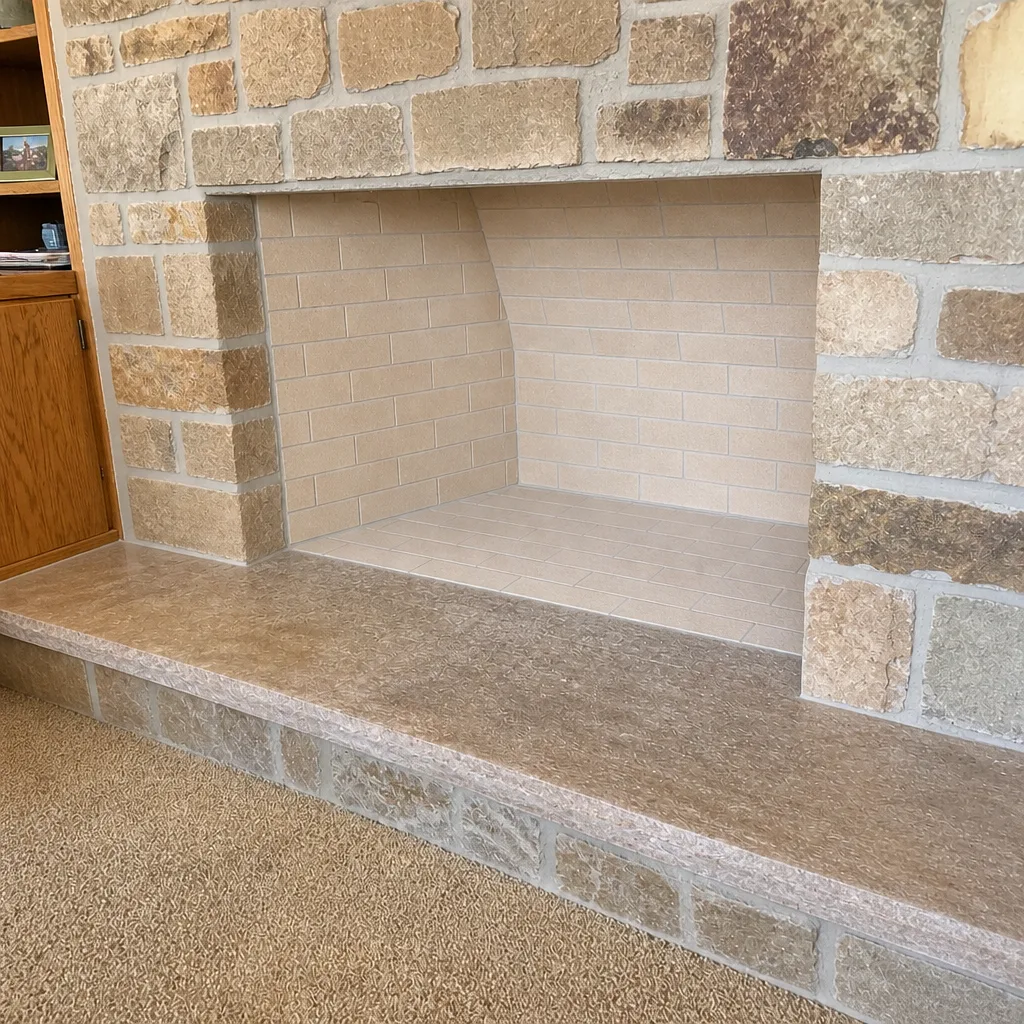
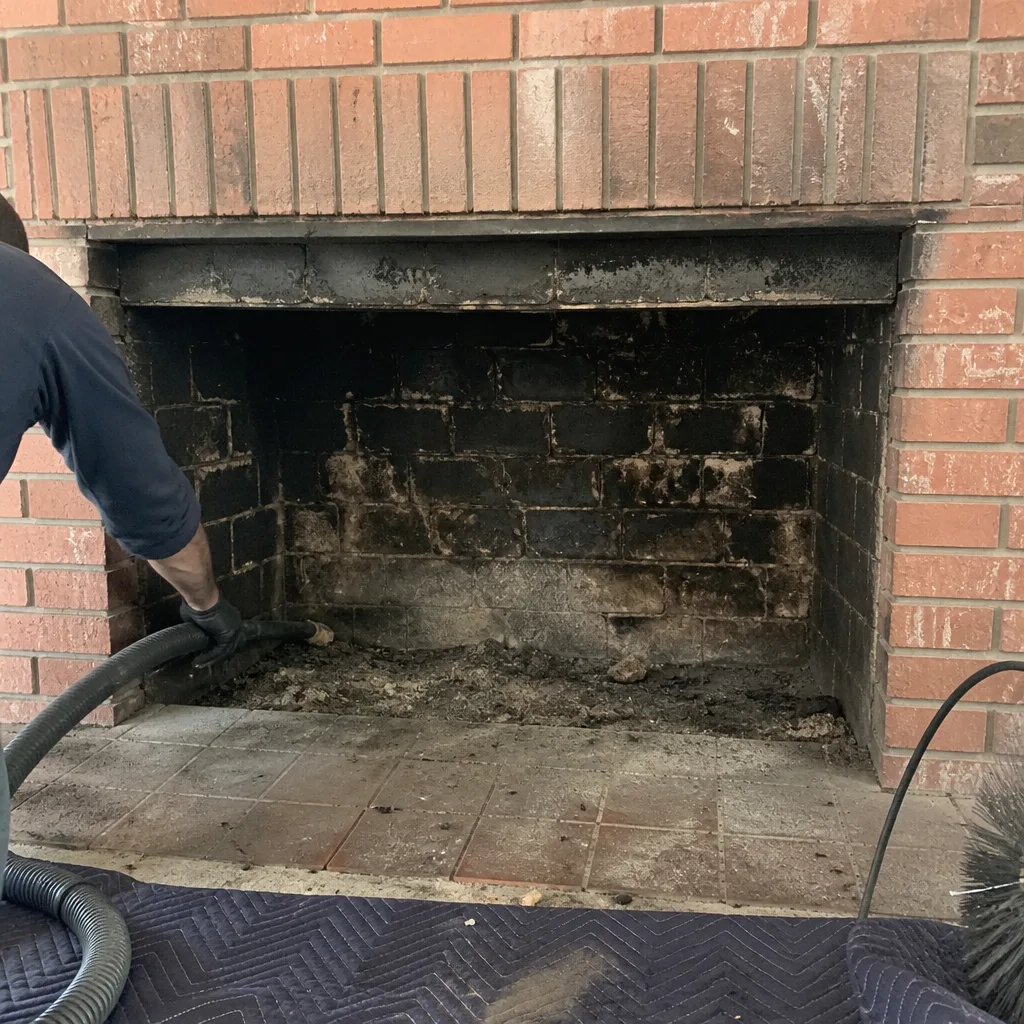
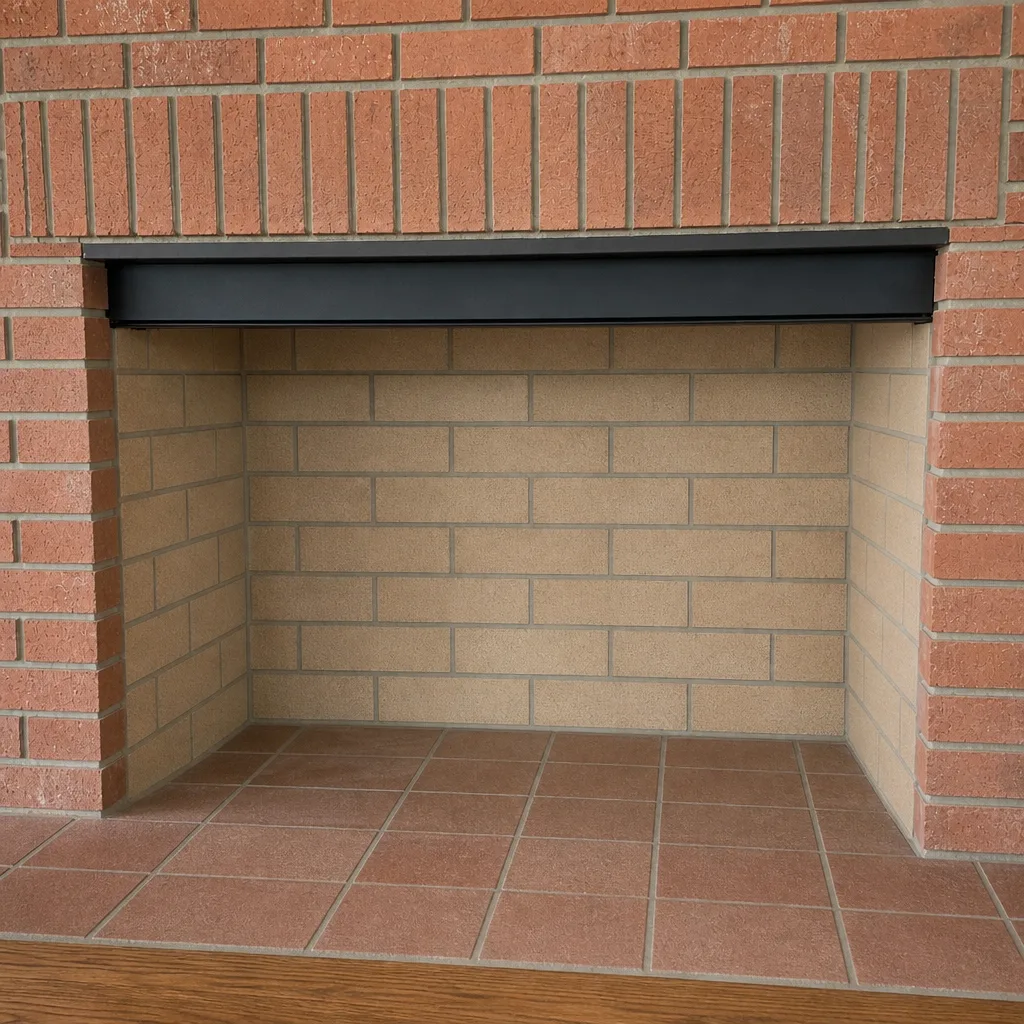
See the difference
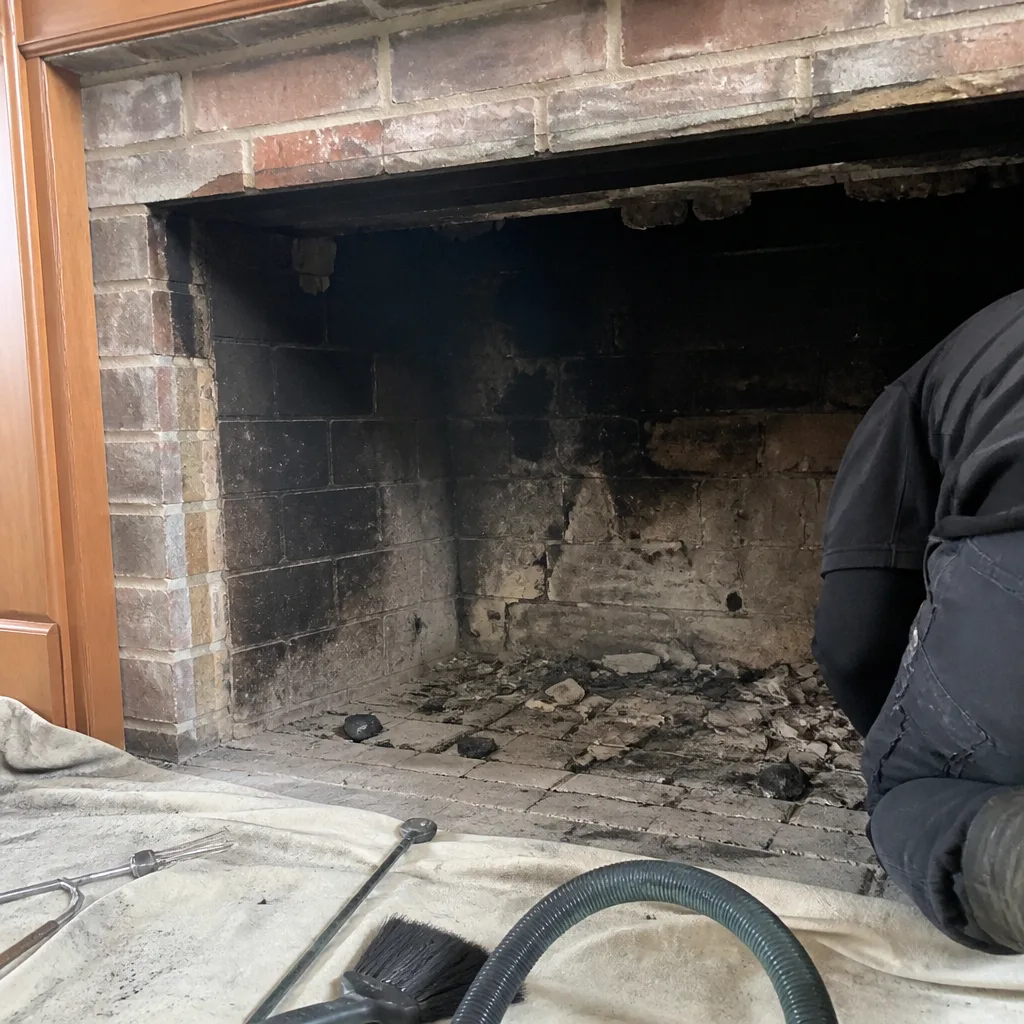 Before
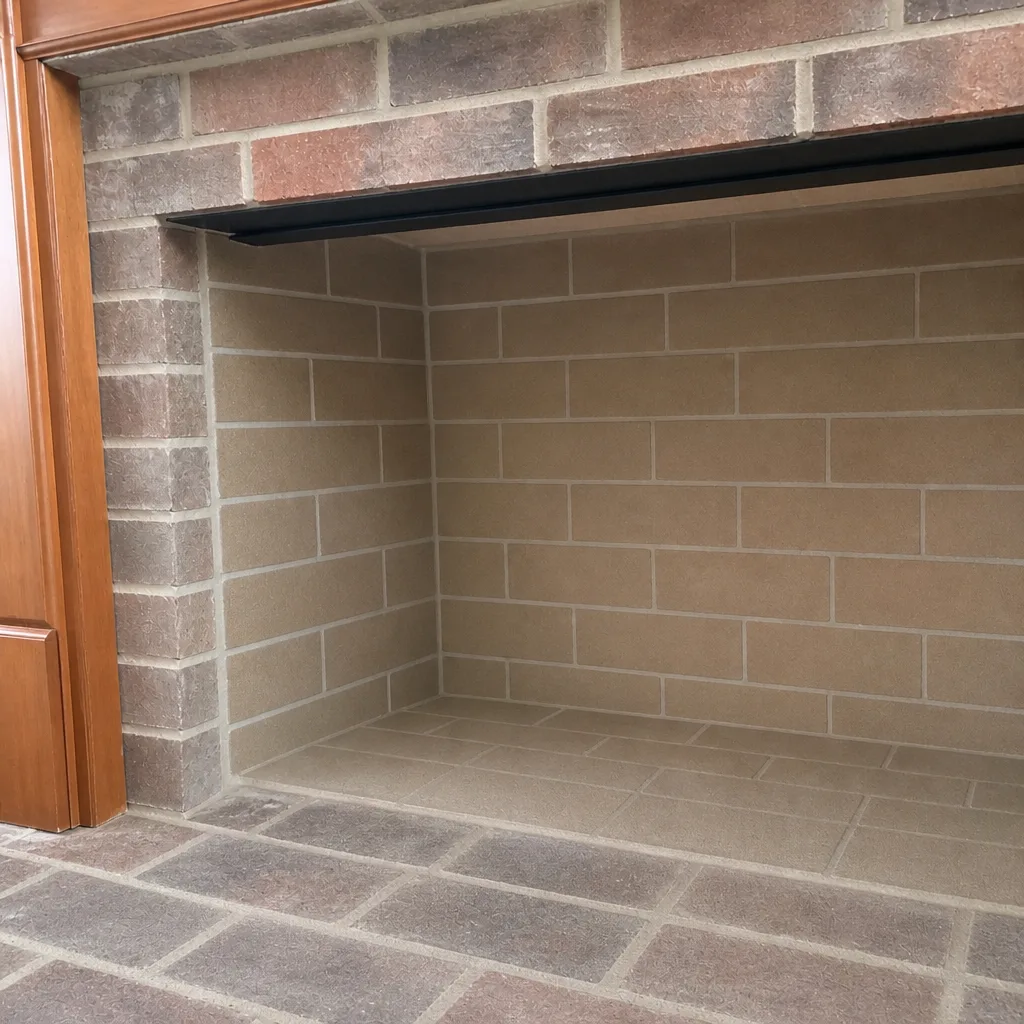 After
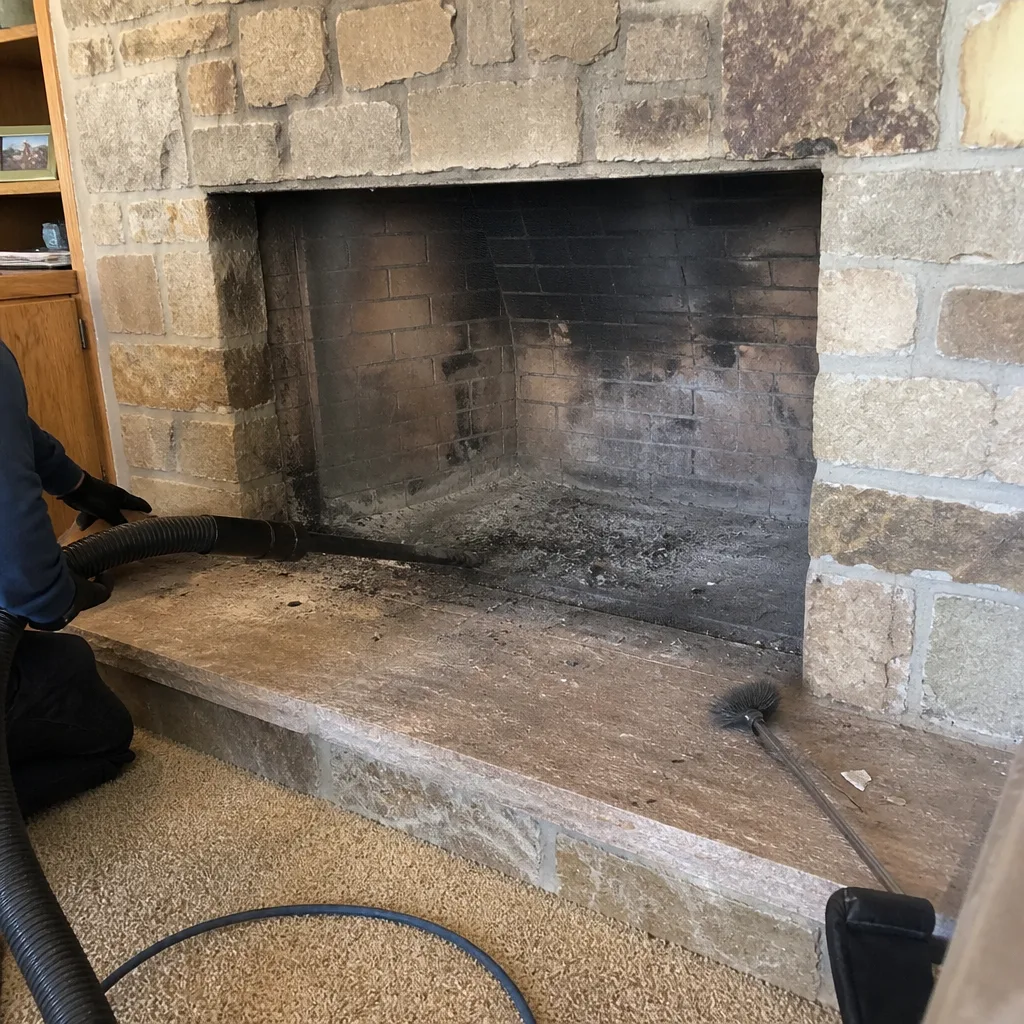 Before
 After
 Before
 After
Frequently Asked Questions
They work for what they’re designed to do: chemically condition Stage 1 creosote so it’s brittle and brushes off more easily. They don’t remove creosote on their own, and they have little to no effect on Stage 2 or Stage 3 deposits. Use them between annual sweeps, not instead of one. Call (866) 361-7607 for a baseline inspection before you rely on any product.
Penetrating sealers soak into masonry and leave the pores breathable, while surface coatings form a film that traps moisture and causes spalling. Look for “breathable” or ASTCM water-repellency references on the label. If the crown or brick is already cracked, sealant won’t fix it. Call (866) 361-7607 for a free estimate on a proper repair.
Stainless steel is the usual right call: it lasts 20+ years and handles freeze-thaw and UV. Galvanized works but corrodes within roughly 5 to 7 years here, and copper is a premium option worth it mainly if the chimney is visible and you care about appearance. Always size the cap to the flue. Call (866) 361-7607 for a sizing check.
Only after flue sizing has been checked. Draft inducers help when the flue is too short or a downburst location causes occasional backdraft, but they’re a workaround for an undersized flue, not a fix. Get the flue inspected and sized first. Call (866) 361-7607 for an exact diagnosis.
No. HeatShield ceramic restoration and spray-applied liners require a clean, dry, properly prepped flue and a controlled cure, and they have to restore code clearances. DIY kits sold online don’t bond reliably and can’t document compliance. This is a repair for a trained technician. Call (866) 361-7607 for a camera inspection before you buy a kit.
Once a year for most wood-burning appliances, or more often if you burn heavily or notice creosote buildup or smoke smell. Gas and pellet appliances need inspection too, though the frequency can differ. Call (866) 361-7607 for an exact quote; estimates are free, and we’ll tell you when a sweep can safely wait.
The Bottom Line
Most chimney products sold in hardware stores do something, but very few do what the packaging implies. Creosote logs condition creosote; they don’t clean it. Penetrating sealants protect masonry; surface coatings trap moisture and hasten spalling. Stainless caps last 20+ years; galvanized caps are gone in 5 to 7. Draft products help when the flue is correctly sized and mask a defect when it isn’t. And liner repair products require trained application. If you’re not sure which situation you’re in, one inspection answers it. Chimney Sweep Meridian handles sweeping, repair, and dryer vent cleaning with a single accountable team, and the products we install come through professional supply lines.
Ready for a real diagnosis? Call (866) 361-7607 for a free estimate. We answer 24/7. Fast dispatch from 7am to 7pm, Sunday through Friday.
Written by the team at Chimney Sweep Meridian.