
Last updated November 14, 2026
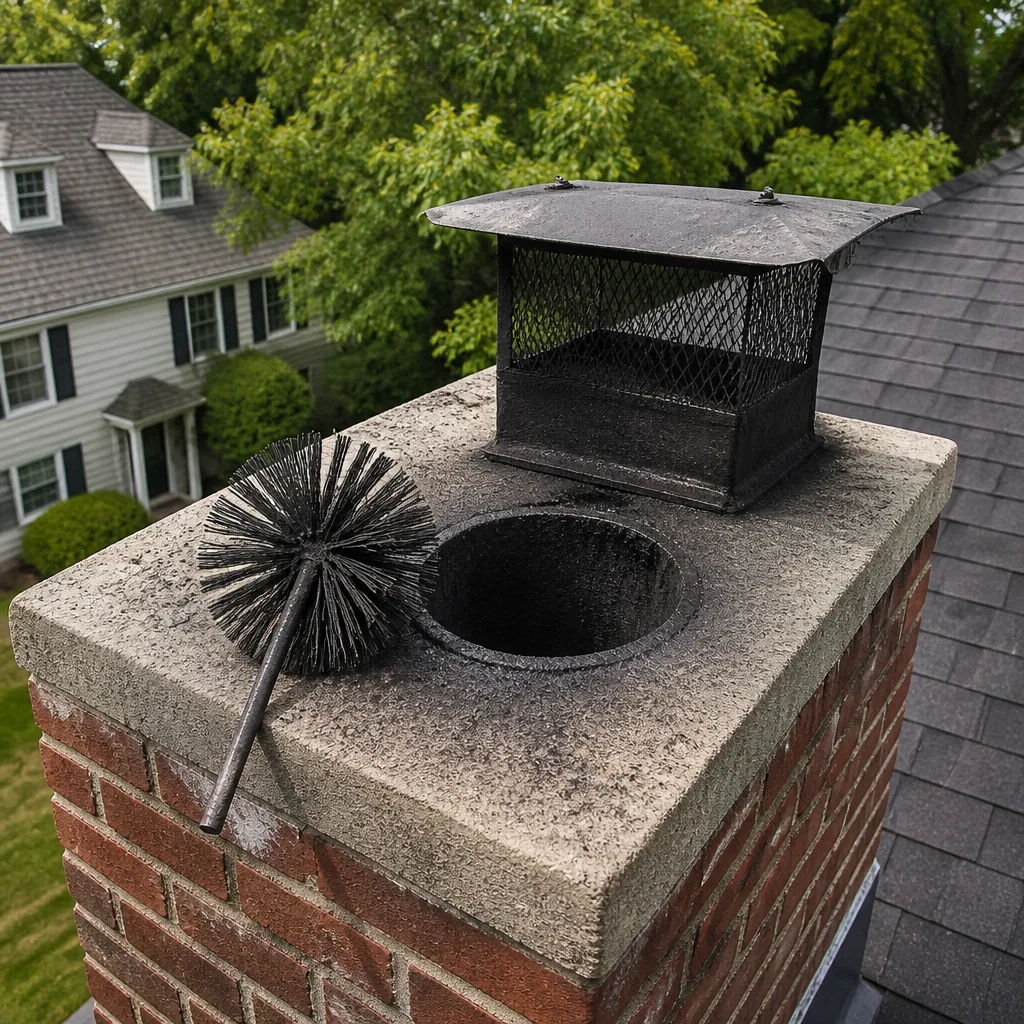 Sweep & inspection
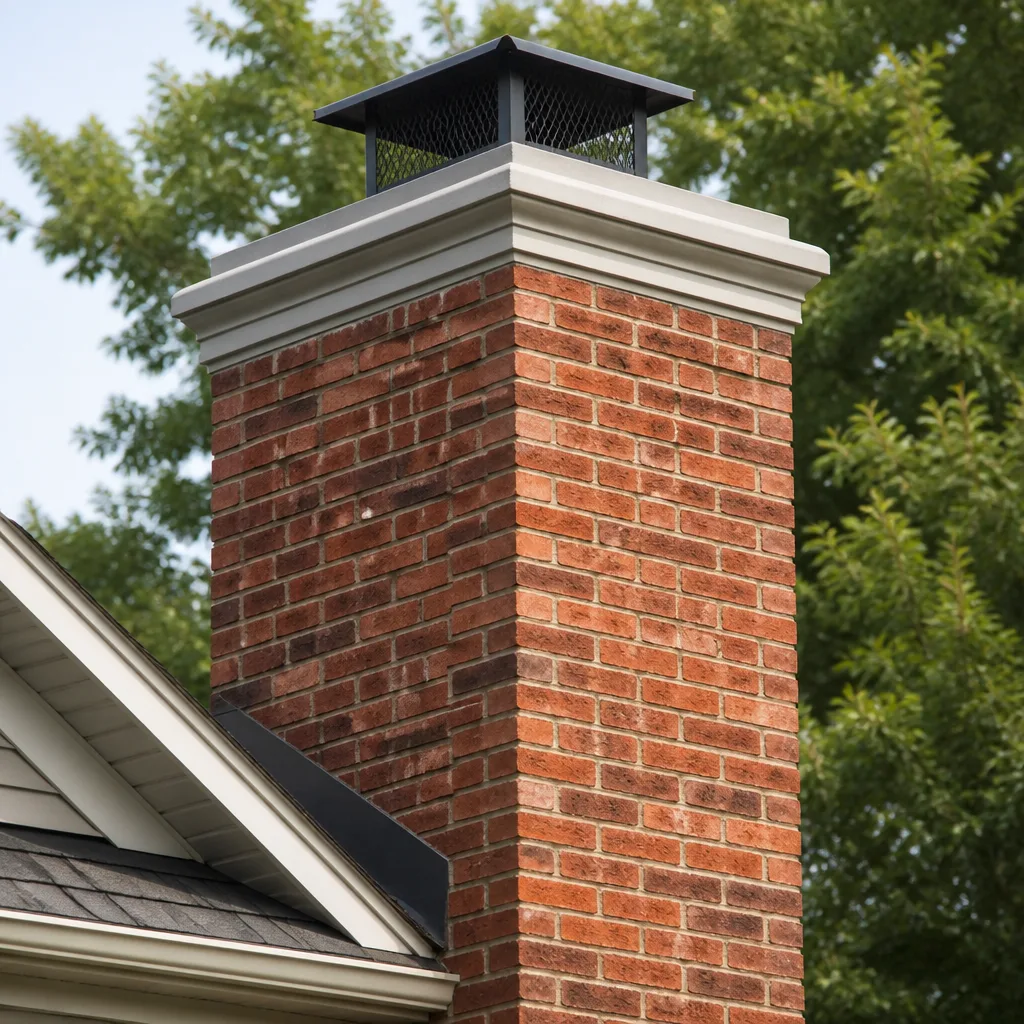 Caps & crowns
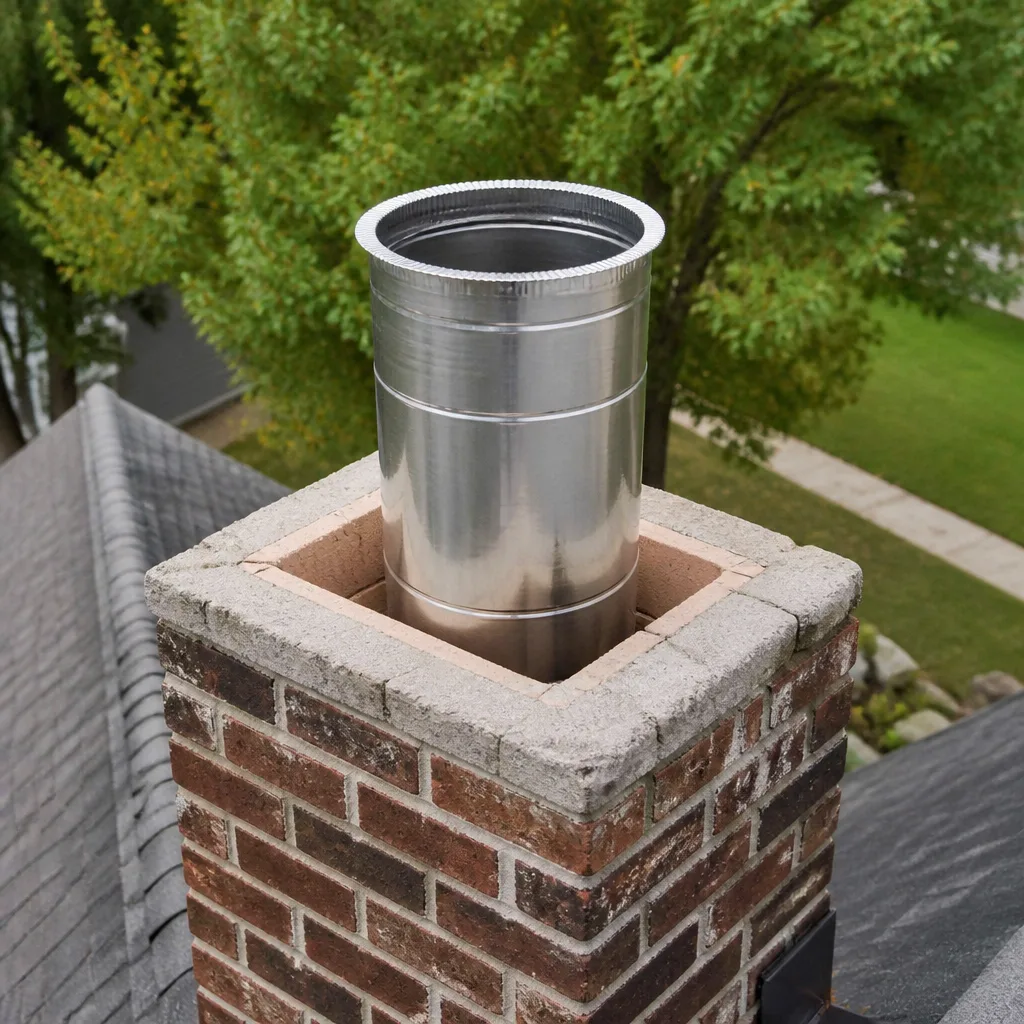 Flue relining
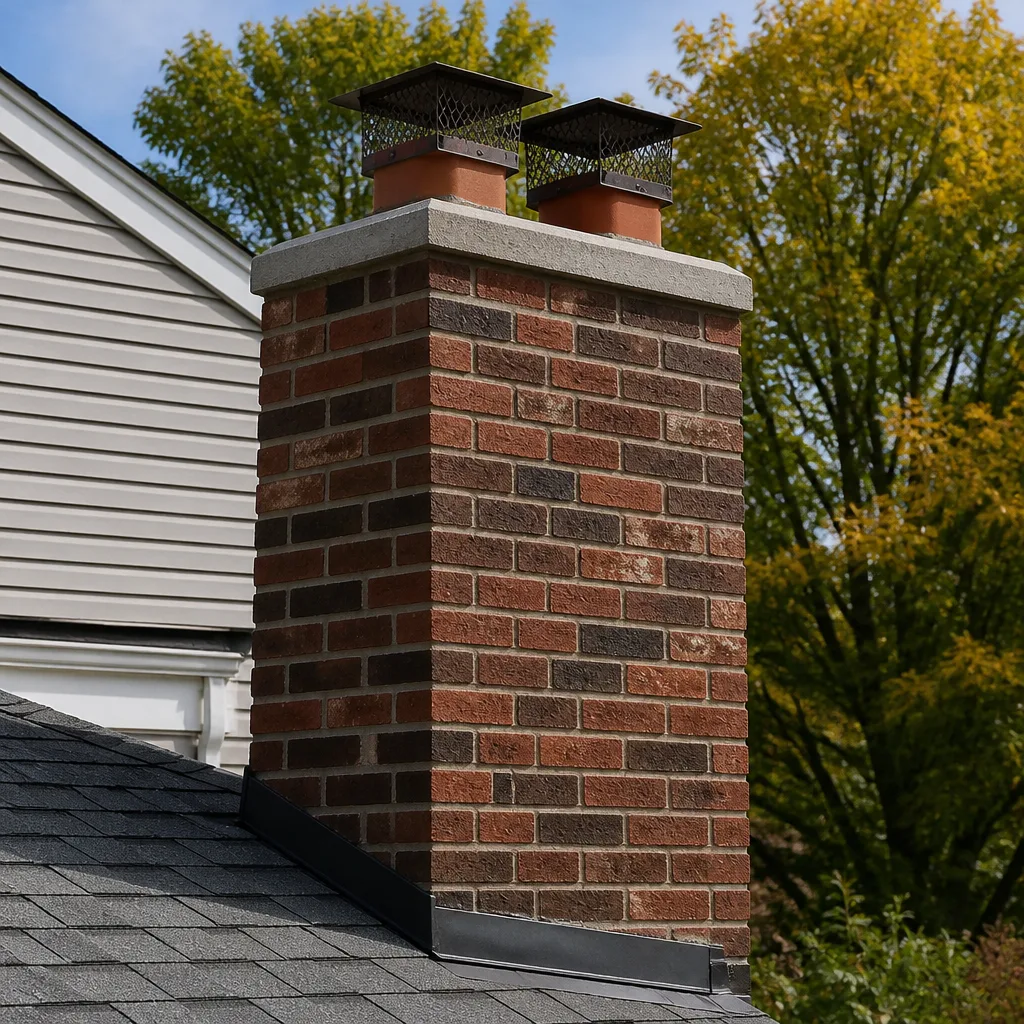 Masonry repair
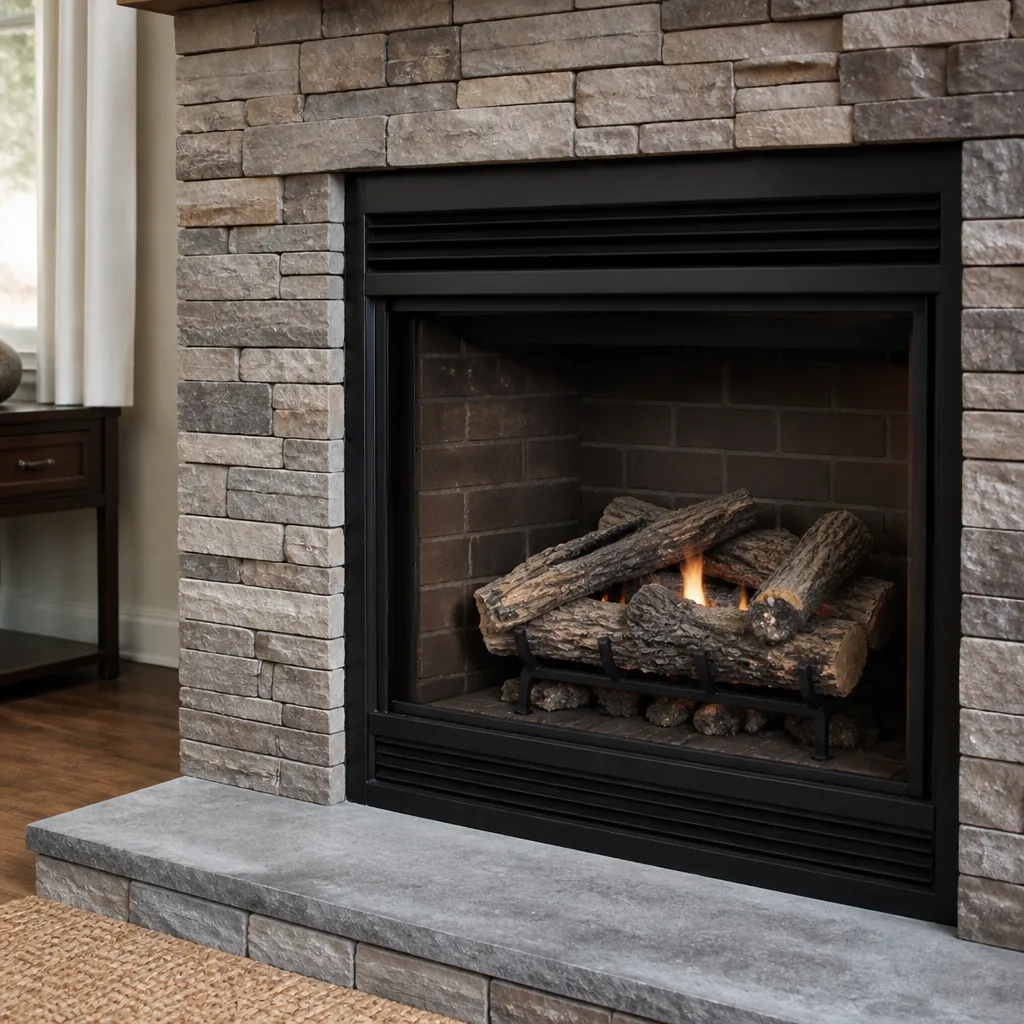 Gas fireplace service
Level 1 sweep and inspection to the NFPA 211 annual standard - flue, crown, cap, and flashing checked and photographed
Chimney sweep logs do not sweep chimneys. They loosen some creosote - which then falls where a brush and vacuum still have to collect it.
Seasonal Chimney Cleaning Care for Meridian: Year-Round Homeowner’s Guide
Most homeowners treat chimney care as a single autumn event: call a sweep in October, get a cleaning, forget about it until next year. That schedule misses the season when problems are easiest and least expensive to fix. Spring is when the damage a winter of heating leaves behind becomes visible, and it’s the best window to deal with it. In Meridian, where winters run cold enough for steady fireplace and wood-stove use and summers swing from dry heat to sudden storms, a chimney is under real stress across all four seasons. This guide walks through what each season asks of your chimney, what to check, and when to hand it to a specialist. By the end you’ll have a year-round routine instead of a once-a-year scramble.
Quick Answer
Chimney care in Meridian works best as a four-season system, not a single fall cleaning. Get a post-winter inspection and sweep in spring to catch freeze-thaw damage, a cap and animal-entry check in summer ahead of storm season, a pre-season readiness check in fall before your first fire, and in-season monitoring of draft, smoke behavior, and odor through winter. That rhythm catches most expensive problems while they’re still small.
Styles & brands we work with
- Sweep & inspection
- Caps & crowns
- Flue relining
- Masonry repair
- Gas fireplace service
Table of Contents
- Spring: Why Post-Winter Is the Most Important Inspection of the Year
- Summer: Caps, Covers, and Keeping Animals Out
- Fall: The Pre-Season Checklist Before Your First Fire
- Winter: Reading In-Season Warning Signs Safely
- How Southwest Winds and Downdrafting Affect Your Chimney
- Seasoned Wood and Why It Matters More Than You Think
- The Other Fire Hazard in Your Home: Dryer Vents
- Building a Year-Round Care Calendar for Your Meridian Home
Spring: Why Post-Winter Is the Most Important Inspection of the Year
Spring is when the evidence shows up. By the time heating season winds down, a chimney has been through months of thermal cycling: hot flue gases inside, cold air outside, repeated expansion and contraction at every mortar joint. Add Meridian’s freeze-thaw pattern, where daytime melt and overnight refreeze work on any moisture that has worked into masonry, and the crown, the mortar joints, and the brick faces take the most punishment. A spring inspection reads that evidence while it’s fresh, before summer heat and storm moisture get a chance to compound it.
A post-season chimney sweep in spring does more than clear soot. It resets the flue to a clean baseline, so any creosote or glaze that builds next season starts from zero rather than stacking on last year’s deposit. And it gives you a weather window to schedule repair work while the calendar is open, rather than in October when everyone else suddenly wants an appointment.
What to look for after a Meridian winter
- Mortar joint damage. Look for crumbling, sandy, or recessed mortar between bricks on the exterior stack. Small joint failures let water in, and water is the root of most masonry deterioration.
- Crown cracks. The concrete cap at the top of the chimney should shed water away from the flue. Hairline cracks become real leaks after a few cycles of wet and freeze.
- Spalling brick faces. Brick that is flaking or peeling on its face has absorbed water and is breaking down.
- Efflorescence. The white, chalky staining on masonry is a sign moisture is moving through the brick. It isn’t damage by itself, but it points to a water path worth tracing.
- Damaged or missing cap and screen. Winter wind and snow load can dislodge a cap, and a missing cap opens the flue to everything the summer brings.
Cracked flue tiles deserve their own mention, because they’re the failure most homeowners can’t see from the ground and the one that matters most for safety. A cracked tile lets heat and gases reach the surrounding structure. It’s also where HeatShield comes in: a ceramic resurfacing method that restores a damaged flue liner from the inside, often without tearing out the original tiles. In our experience, that keeps many repair jobs smaller than a full liner replacement and lets us fix the problem in one service call rather than coordinating a separate masonry contractor.
Your climate does the rest of the work whether you participate or not. Meridian’s spring can go from warm and dry to wet and cold overnight, and every one of those swings is another round of expansion and contraction on old mortar. An inspection booked in April catches the weak points. A call in October finds them after a whole summer of moisture had its way with them.
Summer: Caps, Covers, and Keeping Animals Out
Summer looks like the off-season for a chimney, but it’s the season of two real threats: storms and animals. Meridian’s warm months bring afternoon thunderstorms with wind-driven rain, and an uncapped flue takes that water straight down the chimney. The cap that keeps rain out also keeps out the birds, squirrels, and raccoons that treat an open flue as a ready-made den. Once an animal nests in a flue, you’re dealing with obstruction, odor, and in some cases a blocked path for flue gases, none of which you want to discover on the first cold night in October.
How to check your cap and cover
- Look from the ground with binoculars. Note whether the cap is still seated squarely on the crown and whether the spark screen is intact.
- Watch the flue during a hard rain. Water pooling in the firebox or running down the damper is a sign the cap or crown isn’t doing its job.
- Listen for animal activity. Scratching, flapping, or chirping from the chimney means something has moved in. Don’t light a fire to “flush it out.”
- Check the firebox and smoke chamber for debris. Nesting material and twigs that fall into the firebox need to come out before heating season.
- Confirm the damper moves freely. Summer humidity can stiffen a damper that sat closed for months. Test it while you’re nearby.
If your cap is damaged or missing, this is the season to replace it. We install caps, dampers, and venting components from trade-trusted lines like Copperfield and Olympia Chimney, which means the part is on hand and the fix happens on the same visit as the inspection. A cap that fits the flue correctly is the single cheapest piece of protection a chimney has. It’s also the piece most often skipped, because a chimney with no cap at all doesn’t announce its absence until something climbs in.
One more summer note specific to this area: the dry stretches between storms matter too. A chimney that took on water in spring and then baked through a hot dry spell will show its cracks and spalling more clearly by August. That’s a good time to schedule masonry-related repair work, before the heating season books fill up.
Fall: The Pre-Season Checklist Before Your First Fire
The first fire of the year is the moment a chimney either works or doesn’t, and there’s no graceful way to find out mid-ignition. Run this checklist in early fall so the answer is known in advance. None of it requires opening the chimney or getting on the roof.
- Confirm the damper opens and closes smoothly. A damper that sticks open wastes heat all winter. One that sticks closed sends smoke into the room.
- Look up the flue from the firebox with a flashlight. You’re checking for visible creosote buildup, a broken tile edge, or daylight where daylight shouldn’t be.
- Clear the firebox and ash pit. Old ash holds moisture and odor. A clean firebox starts the season dry.
- Verify your wood is seasoned. Wood with too much moisture content burns inefficiently and produces more creosote. Split it, stack it off the ground, and give it time.
- Test the draft with a small fire. A small paper-and-kindling test fire before you commit to a full load will show you whether smoke draws up the flue or rolls into the room.
- Check smoke and carbon monoxide detectors. Depending on local code, these are required in most homes, and fall is the natural time to test them.
- Book the sweep before the calendar fills. A pre-season cleaning means the flue is clear of last year’s deposits before the first real burn.
For a wood-burning system, the cleaning itself is the anchor of the fall routine. How often a chimney needs to be swept depends on how much you burn; a household that heats with wood through a Meridian winter accumulates creosote faster than one with an occasional decorative fire. If you’re not sure where you stand, a camera inspection answers it with evidence rather than guesswork, and you can decide from there whether the flue needed a cleaning or just a check.
This is also the point in the year when a homeowner gets told they need a new liner, and it’s fair to be skeptical. The right question is what the camera showed: cracked or deteriorated tiles, gaps at the joints, or a flue that no longer suits the appliance. DuraFlex flexible liner systems handle offset, angled, and older flue configurations that rigid liners can’t follow, which means the recommendation should fit your actual flue rather than the easiest product to install. Ask to see the footage. Any liner recommendation that can’t be tied to visible evidence is worth a second opinion, and sometimes the honest answer is that the liner has years left and the chimney just needs a cleaning.
Winter: Reading In-Season Warning Signs Safely
Once heating season is underway, the chimney is working under load, and problems show up as symptoms rather than visible defects. You don’t need to open the chimney to notice them; you need to know what the symptoms mean and when to put a fire on hold. If any of the following show up, stop burning until a professional has looked at the flue.
- Poor draft. A fire that’s slow to establish, a weak draw after the flue is warm, or a firebox that feels lazy can point to an obstruction, excessive creosote, or a liner issue.
- Smoke rollout. Smoke spilling into the room when you open the door or light the fire is a draft failure. Don’t run the appliance through it.
- Unusual odors. A strong tar-like smell, or a smoky smell when no fire is burning, can indicate deposit buildup or moisture in the flue.
- Rumbling or a low roar from the flue. A chimney fire sounds different from a healthy fire. If you suspect one, clear the house and call the fire department before doing anything else.
- Flaking creosote visible at the top of the firebox. Puffy or crusty deposits suggest a flue that’s overdue for cleaning.
- A carbon monoxide alarm. Treat any alarm as real. Get everyone outside and call from there.
Winter isn’t the season for opening the chimney or inspecting the roof. Snow, ice, and short daylight make it the wrong time to climb, and a mid-season cleaning doesn’t need to happen unless the symptoms say it does. The reason to schedule spring and fall work isn’t to get ahead of a sale; it’s that those are the seasons when a close look is safe and effective. Mid-winter, the job is monitoring and knowing when to stop using the appliance.
If something does go wrong in the middle of heating season, call us at (866) 361-7607. We answer 24/7. Fast dispatch from 7am to 7pm, Sunday through Friday.
How Southwest Winds and Downdrafting Affect Your Chimney
Meridian’s prevailing southwest winds are worth understanding because they’re the reason some chimneys smoke on certain days and not others. When wind comes over the ridge or across a roofline, it can create a pressure differential at the chimney top that pushes air back down the flue. The result is a downdraft: smoke that should leave through the top instead curls back into the firebox. It’s not random, and it’s not necessarily a sign your chimney is failing. It’s a pressure problem, and pressure problems have fixes.
What actually causes a downdraft
- Wind hitting a taller structure or roofline nearby. Trees, a neighboring roofline, or the shape of your own roof can create turbulence that reaches the chimney top.
- A chimney that’s too short for the roof. A stack that doesn’t clear the roof cleanly sits in the turbulent zone rather than above it.
- An oversized flue for the appliance. A flue that’s too large for the fire running under it drafts poorly, because the gases cool before they reach the top.
- Tightly sealed houses. A modern, well-sealed home can be so airtight that it starves the appliance of combustion air, which is its own draft problem.
The fix depends on which cause applies. A different cap style can break up the turbulence at the top of the flue. A damper that seals well when closed keeps wind from pushing down through an idle chimney. For some homes, the right answer is a wind-resistant cap or a chimney-top damper; for others it’s a diagnostic conversation about flue sizing. We handle the parts side of that work with caps and dampers from lines like Famco and Olympia Chimney, so the adjustment can happen without a second visit and a long wait for a part.
Worth being clear about: not every smoking chimney is a wind problem. If smoke rolls into the room on a still day, that’s a draft failure to look at with a camera, not a cap adjustment. The seasonal pattern matters, though. In Meridian, downdraft complaints tend to cluster when southwest winds pick up, and a homeowner who has tracked which wind directions cause it can point a technician at the right part of the flue before the inspection even starts.
Seasoned Wood and Why It Matters More Than You Think
The best chimney maintenance decision a homeowner makes doesn’t happen at the chimney. It happens at the woodpile. Wet wood doesn’t just burn badly; it produces more smoke, more creosote, and more moisture that works its way into the flue. Seasoned firewood, properly stacked and dried, is the difference between a flue that needs one sweep a year and one that needs two. That’s not a sales angle; it’s the physics of combustion.
What “seasoned” actually means
Seasoned wood has been split, stacked, and allowed to dry long enough that most of its moisture is gone. The most reliable test isn’t color, bark, or how long it’s been stacked. It’s a moisture meter, checked on a freshly split face rather than the outside of the log. Wood split and stacked with good airflow dries far faster than whole rounds left in a pile. Covered on top, open on the sides, off the ground: that’s the setup that actually works, and it matters in Meridian, where a wet spring can keep a woodpile damp well into summer if it isn’t stacked for airflow.
- Split the wood before stacking. Split faces dry far faster than bark.
- Stack off the ground and cover only the top. Air circulation does the drying; side covers trap moisture.
- Give it time. Split and stack in spring, burn the following season.
- Check a fresh split, not the surface. A moisture meter on a freshly split face tells the real story.
- Don’t mix in fresh wood. Rotate the stack so this year’s burn comes from last year’s split.
A pellet or gas appliance changes the equation but doesn’t remove the need for care. Gas and pellet systems produce different byproducts than wood, but the flue still needs inspection and the venting still needs to be clear. The seasonal rhythm is the same even if the creosote rule doesn’t apply. What changes is what we look for on the inspection.
The Other Fire Hazard in Your Home: Dryer Vents
The chimney gets the attention because fire and smoke are obvious. The dryer vent runs behind a wall and rarely gets a thought. In our experience, dryer vent cleaning belongs in the same seasonal conversation because lint buildup is a fire fuel with the same ignition logic as creosote. A clogged vent also cuts dryer efficiency, so a homeowner notices longer dry times before they notice anything about the vent itself. If the vent is the seasonal blind spot in your home, that’s a quick diagnostic, not a lengthy project.
The signs are consistent: clothes that take two cycles to dry, a dryer that feels unusually hot, a vent with little airflow at the exterior termination, or visible lint accumulation around the dryer. If your dryer has been running the same cycle length for years, it may not need anything. If this season takes noticeably longer than last season, the vent is the first place to look.
The seasonal fit is worth spelling out. Spring, after a winter of heavy laundry and a closed-up house, is a natural point to check the vent. Fall, before the heating season opens, is the second natural check. Those two checks plus a yearly chimney sweep cover the two systems in your home most likely to start a fire from accumulated fuel, and they’re the reason our work centers on three things: sweeping, chimney repair, and dryer vent cleaning. Everything else is a referral.
Building a Year-Round Care Calendar for Your Meridian Home
The point of a seasonal calendar is to make each task land in the season when it’s cheapest, safest, or most revealing. Here’s the version we’d hand a Meridian homeowner with a wood or pellet appliance.
- April: Book the post-winter inspection and sweep. Look for mortar damage, crown cracks, and spalling brick while the winter evidence is still fresh.
- May: Schedule any masonry-related repair the inspection identified. Warm, dry weather is the right window for it.
- June: Check the cap and screen and confirm the damper moves freely. Watch for animal activity around the chimney.
- July: Look at the stack from the ground after a hard rain. Note any water at the firebox or damper.
- August: Confirm the woodpile is drying with airflow. Rotate last year’s split to the front.
- September: Run the pre-season checklist. Small test fire, damper test, flue visual, detector checks.
- October: Book the pre-season sweep if it wasn’t done in spring, before the calendar fills.
- November through March: Monitor draft, smoke rollout, and odor. Stop burning and call if a warning sign appears.
- Any season: Check the dryer vent at the same time you check the chimney. Two systems, one habit.
If a home has a gas or pellet fireplace rather than wood, the calendar shifts slightly, but the seasonal logic holds: spring inspection, summer cap and ventilation check, fall readiness, winter monitoring. The one thing that changes is what the inspection looks for and what cleaning method applies.
For the neighborhoods around the city, the underlying climate is the same even when the housing stock isn’t. A chimney care routine for a home near the Boise foothills and one in an older neighborhood close to downtown both depend on the same freeze-thaw cycles and the same southwest winds, even if the details of the inspection differ. The seasonal routine is portable. What varies is the specific repair the inspection turns up. Our service area in and around Meridian covers the whole city, and our technicians have up to 15 years of experience reading what each season leaves behind.
Common Mistakes to Avoid
- Waiting until the first cold snap to call. The October rush means longer waits and less room to schedule. Book the inspection in spring and the sweep in early fall.
- Skipping the spring inspection because the chimney “still works.” Winter damage doesn’t announce itself. A chimney can draw fine while a cracked flue tile is one season from a real problem.
- Letting an uncapped flue sit open through summer. A chimney with no cap is a nest site. The fix is small and the consequences of skipping it are not.
- Burning unseasoned wood because it’s what’s stacked. Wet wood makes more creosote, which means more frequent cleanings and a higher risk of a chimney fire.
- Accepting a liner recommendation without seeing the camera footage. Ask what the camera showed. If the answer is vague, get a second look before spending money.
- Forgetting the dryer vent. Many homeowners never think about it. A clogged vent is a fire hazard in the same way a dirty chimney is.
- Trying to clean or inspect the flue from the roof mid-winter. Steep roofs and ice are a genuinely dangerous combination. Wait for spring.
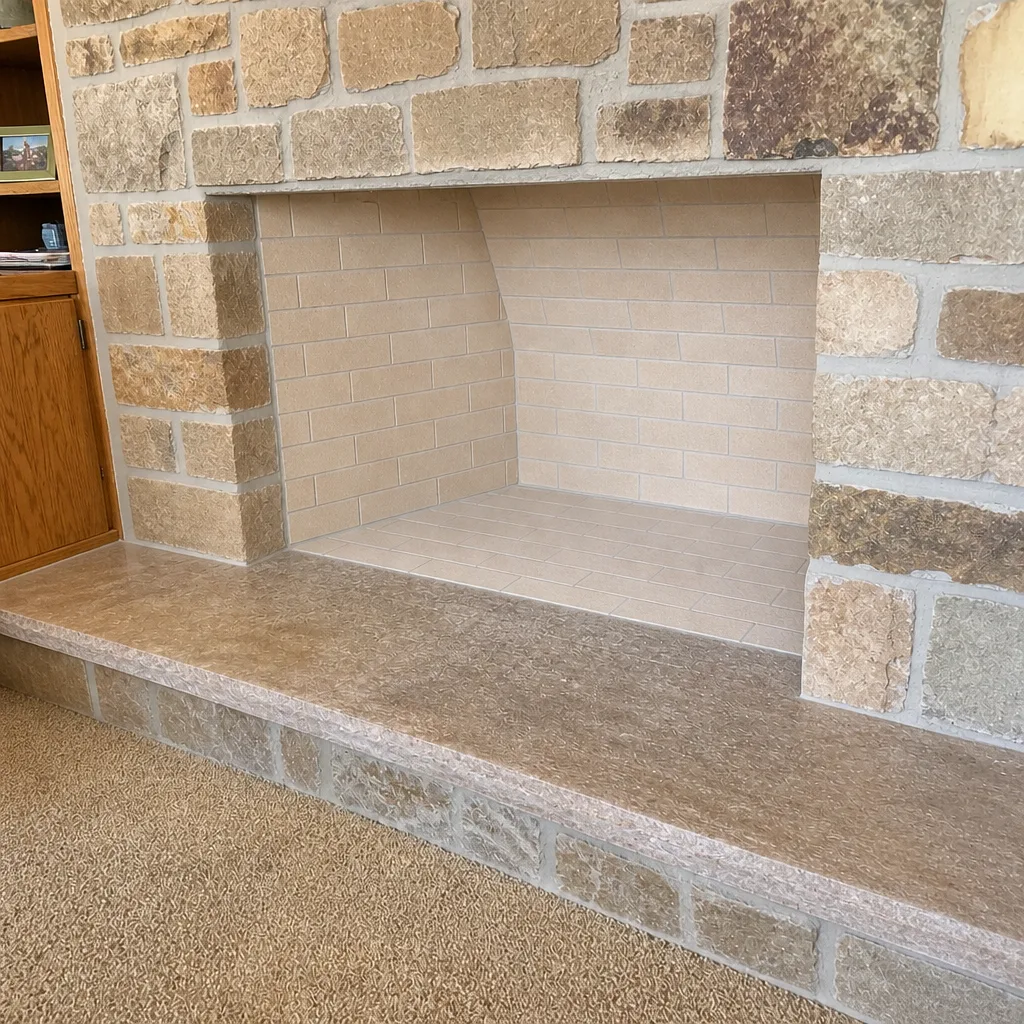
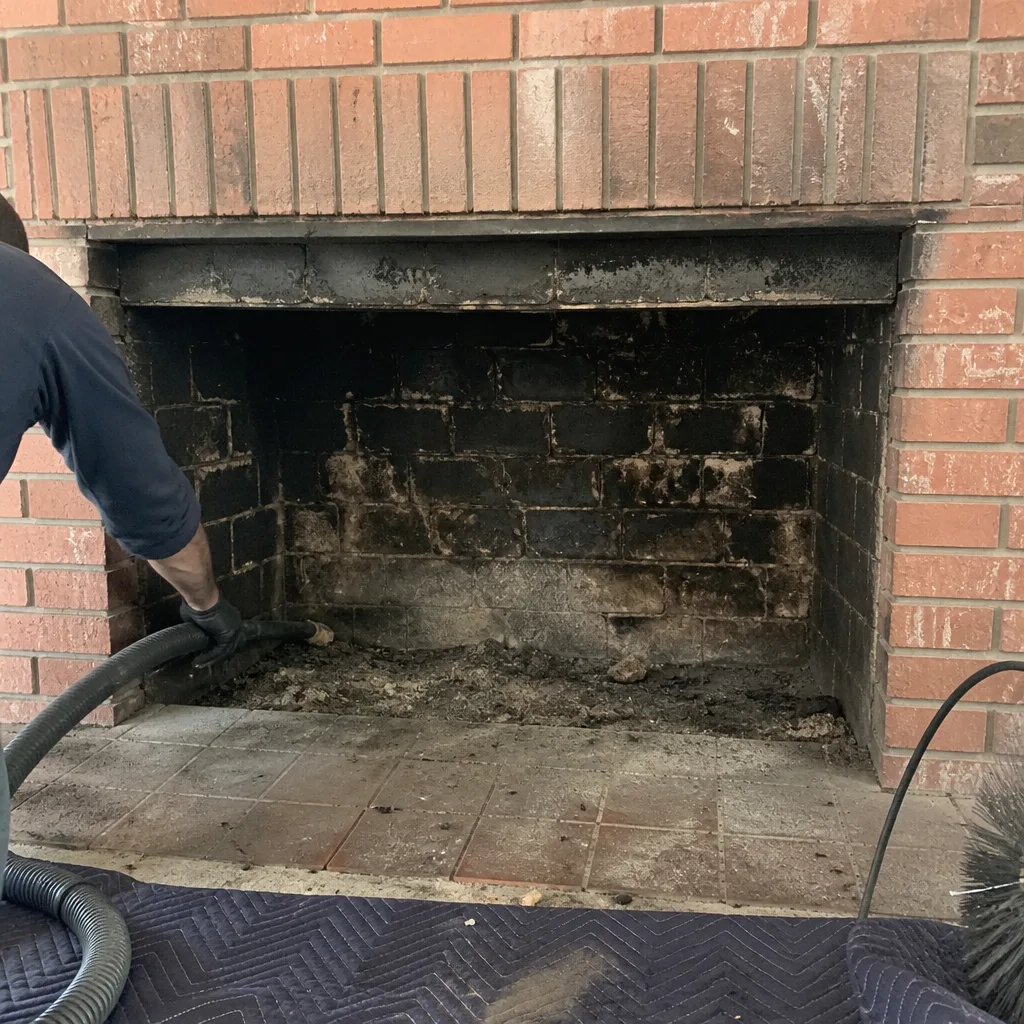
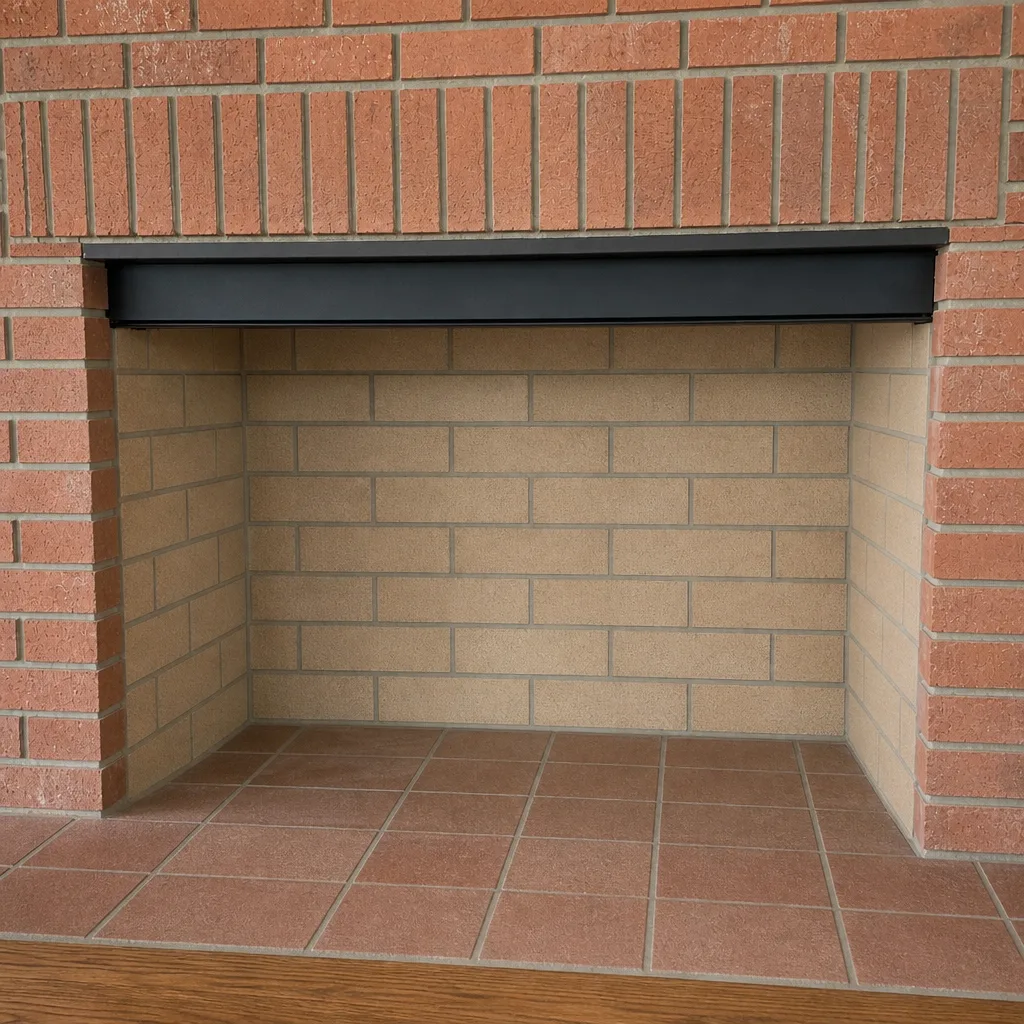
See the difference
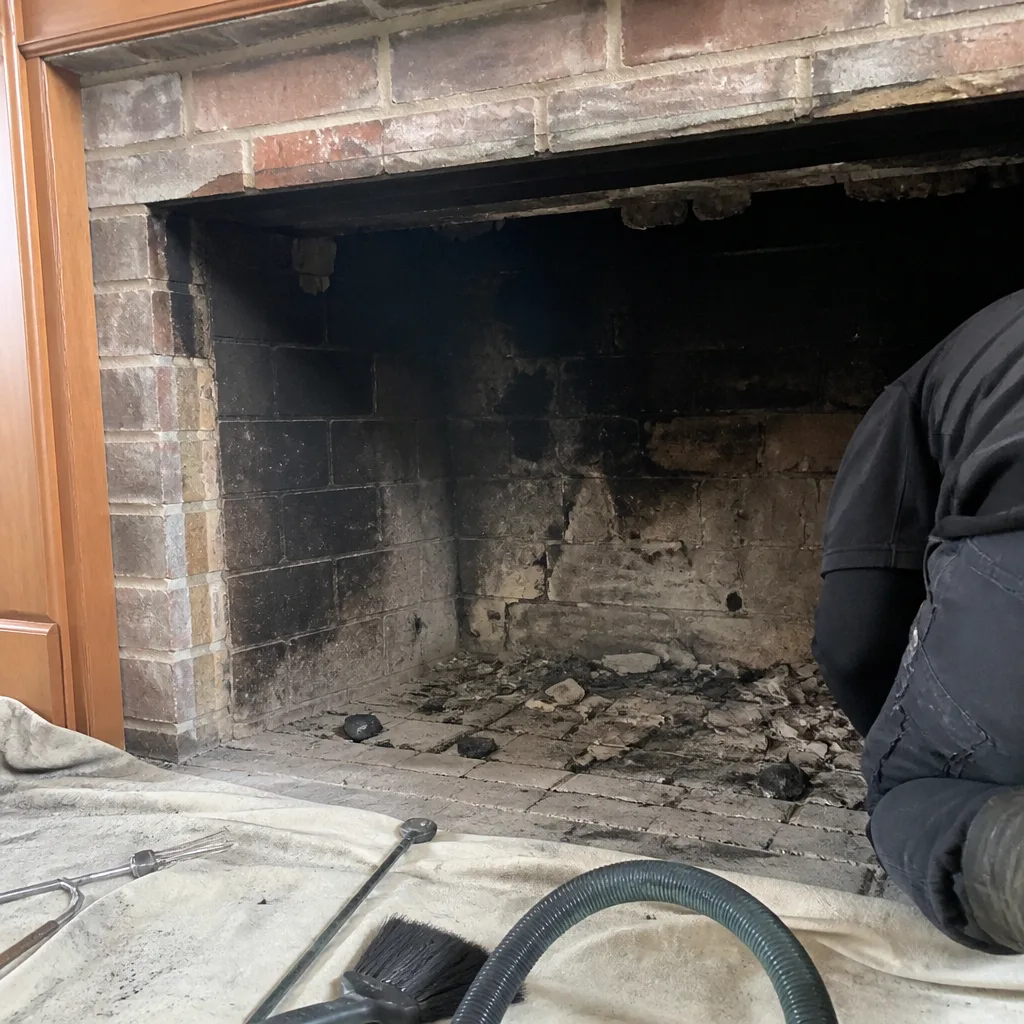 Before
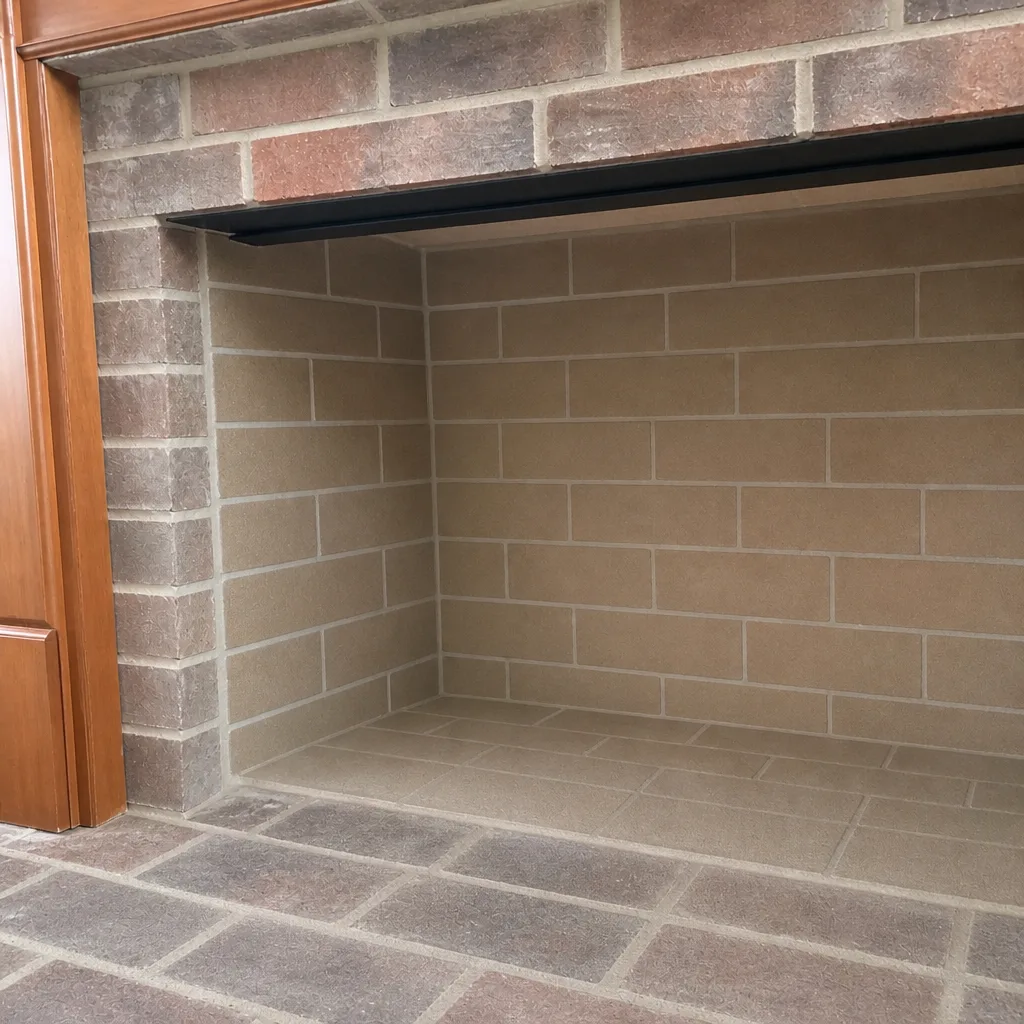 After
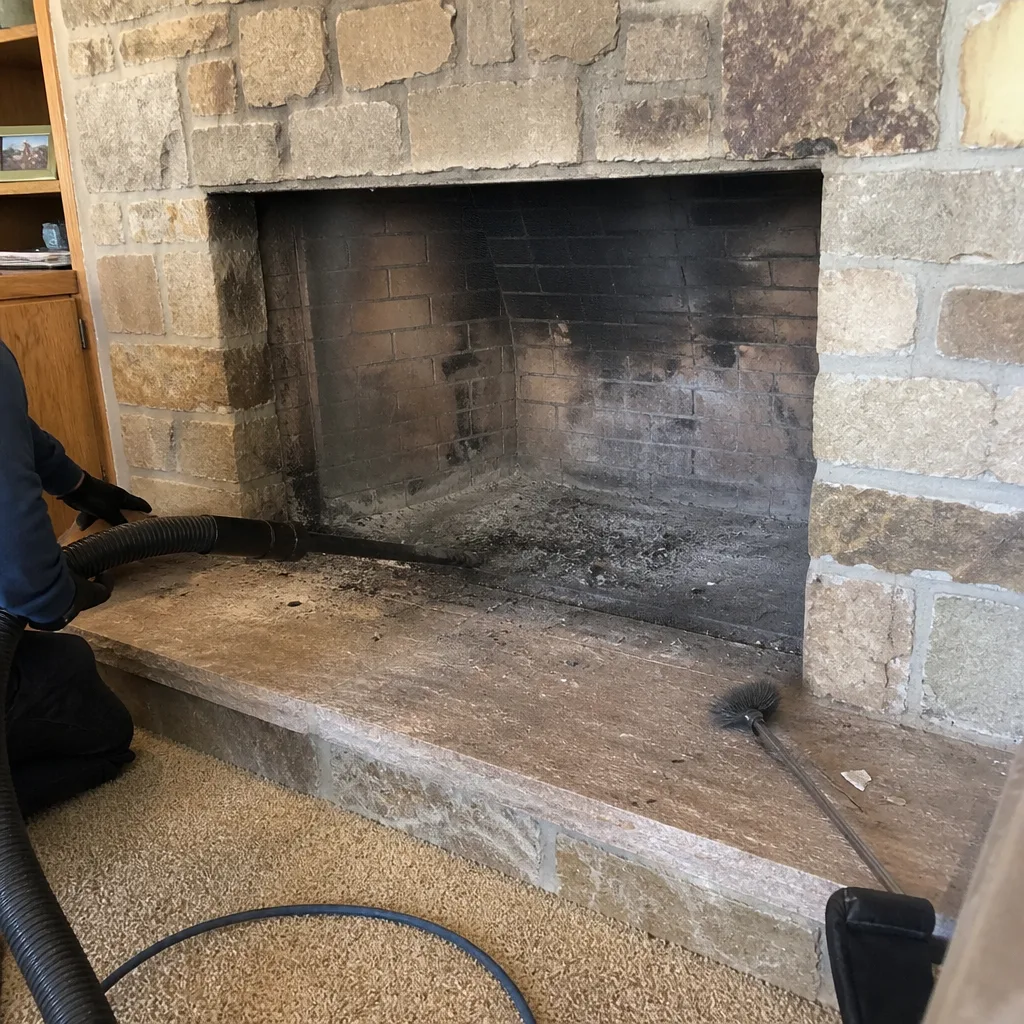 Before
 After
 Before
 After
When to Call a Professional
Call a professional if you see smoke rolling into the room, smell a strong smoky or tar-like odor in the house, or hear rumbling from the flue during a fire. Call if a carbon monoxide alarm goes off, and get everyone outside before you do. These are not situations to investigate yourself.
For less urgent signals, a free estimate is the practical next step. Visible mortar damage, a cracked crown, an uncapped flue, or a dryer vent that has suddenly lost airflow all warrant a look. Chimney Sweep Meridian offers free estimates in Meridian, and the written estimate sets the price before any work begins. Call (866) 361-7607 to book one.
Frequently Asked Questions
A wood-burning chimney is generally swept once a year for a household that burns regularly, and more often if you burn a lot of wood or the inspection shows heavy buildup. A gas or pellet appliance follows a different inspection interval because it produces different byproducts. The reliable way to know is a camera inspection that shows the actual condition of the flue, and then a decision based on what’s visible. Call (866) 361-7607 for an exact quote; estimates are free.
Only if the camera shows cracked or deteriorated tiles, joint gaps, or a flue that no longer suits the appliance. Plenty of chimneys can be maintained without a liner replacement, and in some cases a damaged flue can be resurfaced with HeatShield rather than torn out. The right answer depends on what the inspection finds, not on a sweep company’s sales goal. Ask to see the footage and get the recommendation in writing before you commit.
The flue accumulates creosote, which is fuel, and moisture works its way into masonry over the freeze-thaw cycle. The risks are a chimney fire and carbon monoxide from a blocked or damaged flue, plus structural damage that gets more expensive the longer it’s ignored. Skipping a season won’t necessarily cause a problem, but skipping several in a row raises the odds. The spring inspection is the cheap way to check before that becomes a repair.
Many common repairs can be completed on the visit, especially when parts are on hand. Caps, dampers, and venting components from the professional brands we install are available to us through trade supply lines, so a straightforward fix doesn’t need a second appointment. Larger repairs, like a liner installation or significant masonry work, get scheduled after the estimate. Call (866) 361-7607 to talk through what your chimney needs.
Southwest wind creates turbulence at the chimney top that can push air back down the flue, which is called downdrafting. The fix depends on the cause: a different cap, a chimney-top damper, or a conversation about flue sizing if the draft problem is broader. A camera inspection and a look at the top of the stack will narrow it down. Call (866) 361-7607 to set up an inspection.
Yes, because each season stresses the chimney in a different way. Winter thermal cycling and freeze-thaw cycles crack masonry, summer storms send water down uncapped flues, and dry summer heat exposes damage that was hidden under winter moisture. A single annual cleaning leaves the chimney unprotected for the eight months when the most expensive damage tends to start. Treat it as an ongoing system and the annual sweep becomes the easy part.
The Bottom Line
Chimney care is a year-round job, not an October errand. Spring is for the post-winter inspection and the sweep that resets the flue; summer is for cap, cover, and animal checks before storm season; fall is for the pre-season checklist before the first fire; and winter is for monitoring draft, smoke, and odor without opening the chimney. Add the dryer vent to the same seasonal checks and you’ve covered the two systems in your home most likely to start a fire from accumulated fuel. Build the calendar, keep the routine, and call a specialist when any seasonal check turns up something you can’t verify yourself.
If you’d rather have someone else keep the schedule, Chimney Sweep Meridian handles sweeping, repair, and dryer vent cleaning as a single service arc. You get an inspection with evidence, a written estimate before work begins, and a single company accountable for the whole job. Call (866) 361-7607 for a free estimate. We answer 24/7. Fast dispatch from 7am to 7pm, Sunday through Friday.
Written by the team at Chimney Sweep Meridian.