
Last updated November 14, 2026
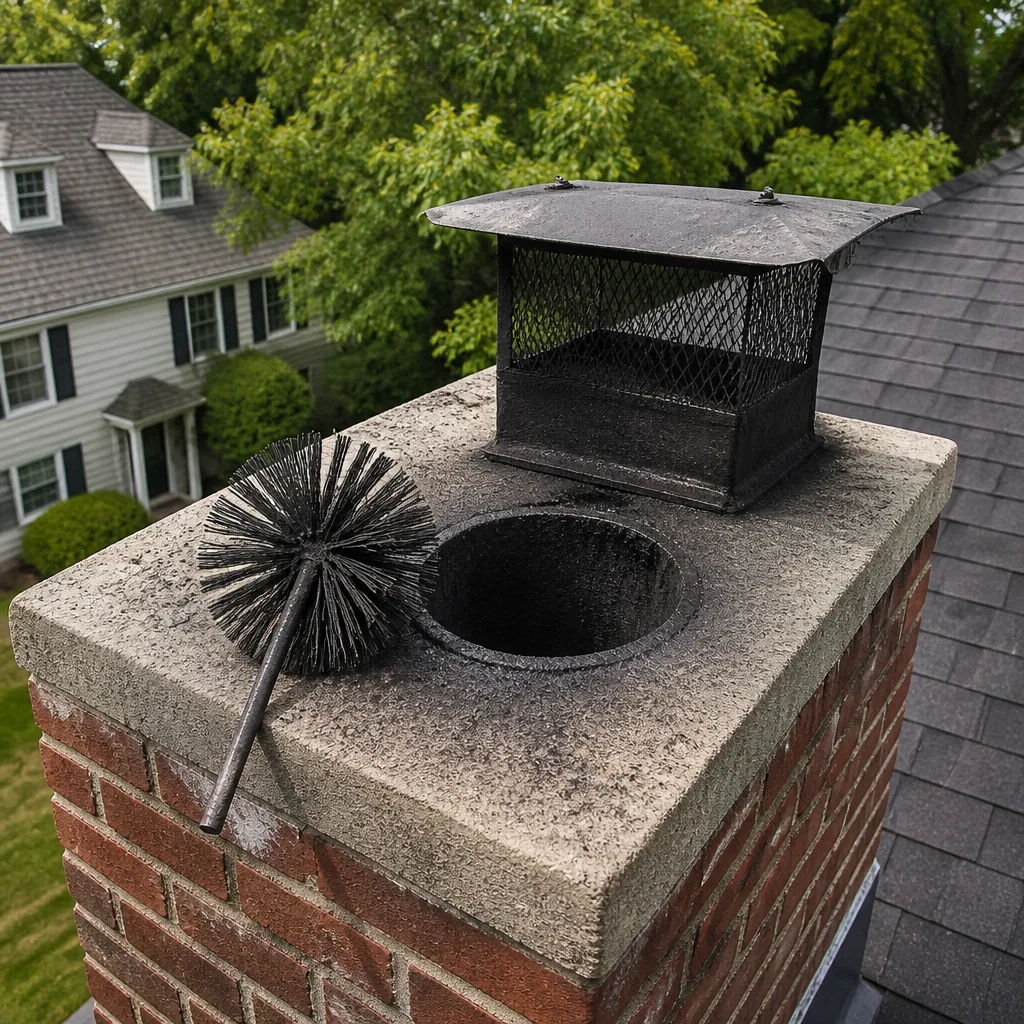 Sweep & inspection
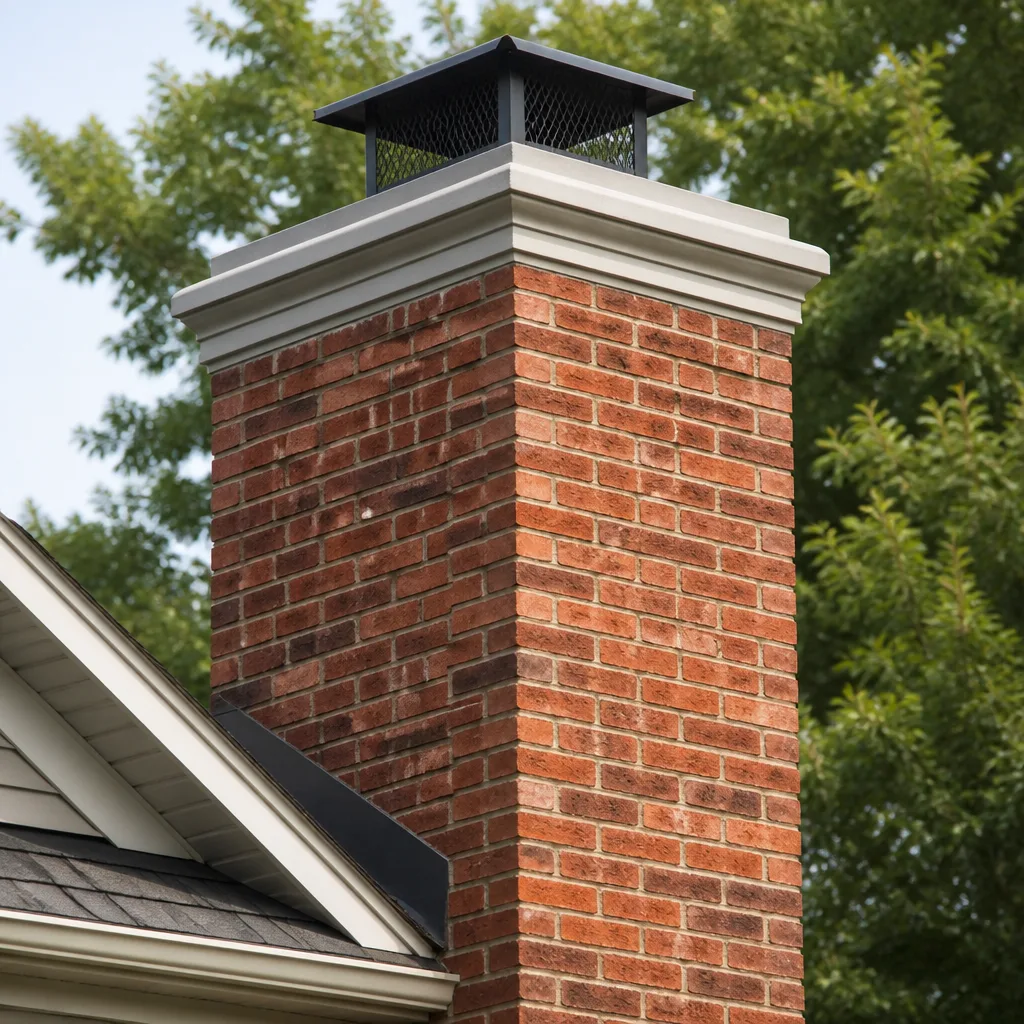 Caps & crowns
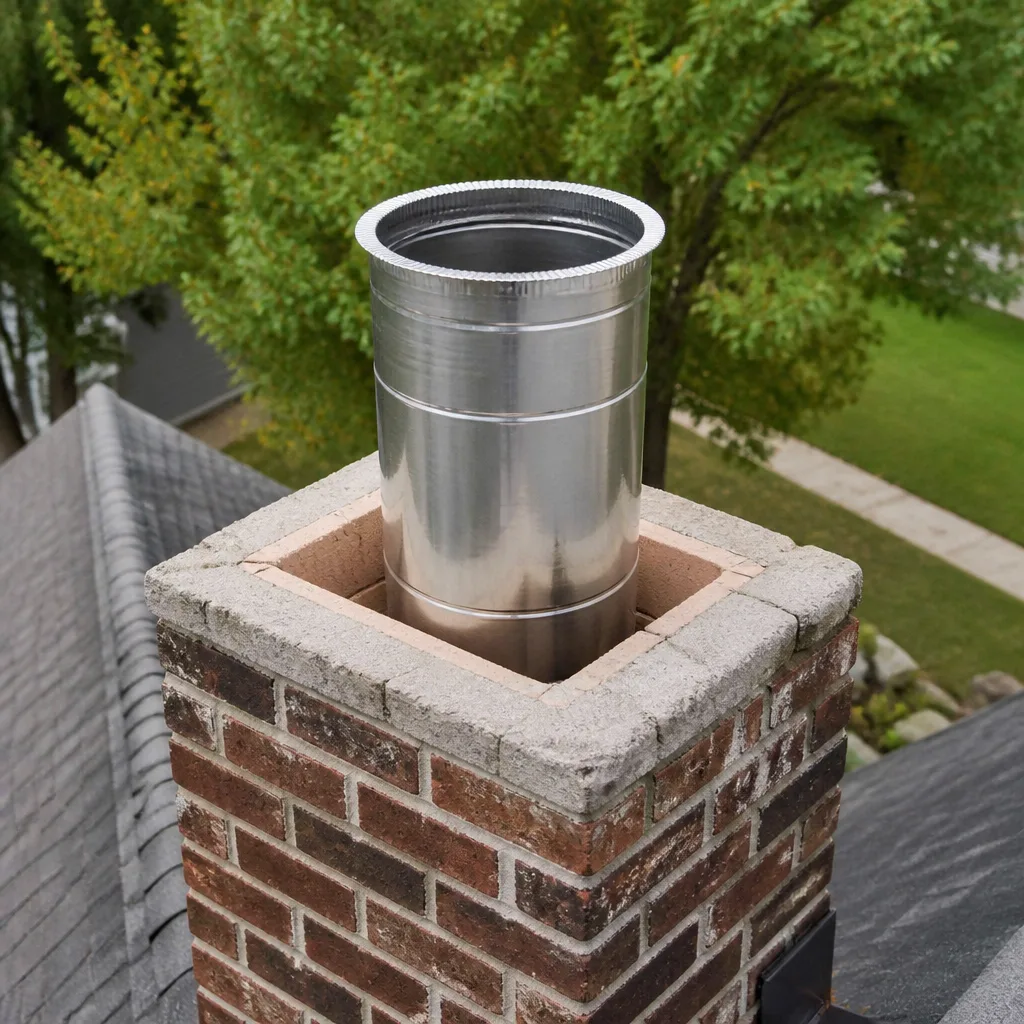 Flue relining
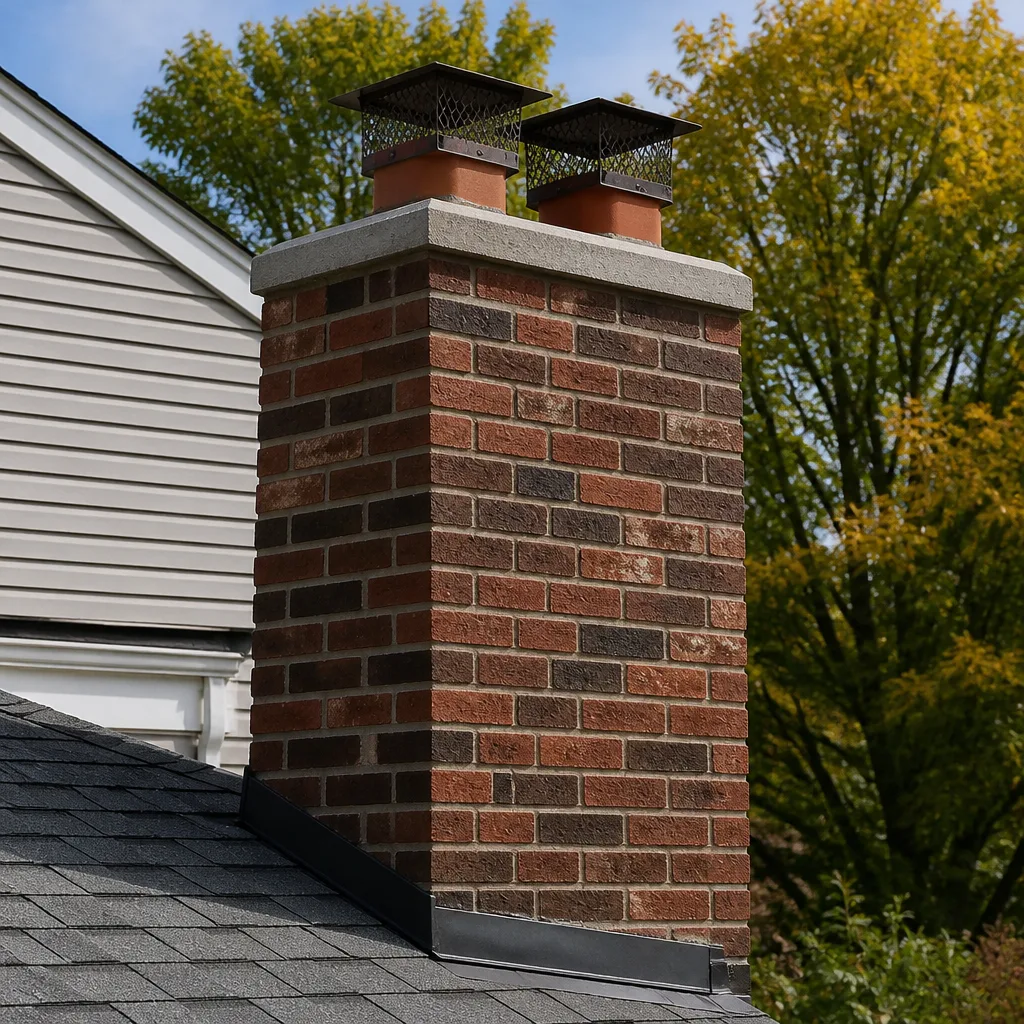 Masonry repair
 Gas fireplace service
Level 1 sweep and inspection to the NFPA 211 annual standard - flue, crown, cap, and flashing checked and photographed
Chimney sweep logs do not sweep chimneys. They loosen some creosote - which then falls where a brush and vacuum still have to collect it.
Chimney Cleaning Permits, Codes & Inspections in Meridian, ID: What You Need to Know
Most homeowners assume the permit question only comes up when they’re building something. A chimney sweep is maintenance, right? Here’s the part that catches people off guard: a routine cleaning in Meridian needs no permit at all, but the moment that same visit turns into a cracked flue tile repair, a liner swap, or a damper rebuild, you’ve crossed from maintenance into alteration and the rules change completely. The problem is that the line between the two is invisible to most homeowners, so unpermitted chimney repair sits quietly in a house for years until an inspector, a buyer, or an insurance adjuster finds it. This guide walks through exactly where that line sits in Meridian, what Idaho’s adopted codes actually say, when a Level II inspection stops being optional, and what to do if you inherit somebody else’s unpermitted work.
Quick Answer
Routine chimney cleaning in Meridian requires no permit, but any repair that alters the chimney structure, changes the flue lining, or replaces components generally does. Idaho has adopted the International Residential Code, and IRC Section R1003 sets the construction and maintenance standards a permitted chimney job must meet. A Level II inspection is code-required (not just recommended) at real estate transfer, after an appliance change, and following a chimney fire. When in doubt, ask the City of Meridian building department directly before work starts.
Styles & brands we work with
- Sweep & inspection
- Caps & crowns
- Flue relining
- Masonry repair
- Gas fireplace service
Table of Contents
- Maintenance vs. Alteration: Where Meridian Draws the Permit Line
- What IRC Section R1003 Actually Says About Your Chimney
- When a Level II Inspection Is Required, Not Optional
- What Meridian’s Building Department Reviews on a Chimney Permit
- What Unpermitted Chimney Work Does to Your Insurance and Resale
- What to Do If You Discover Prior Unpermitted Work
- How Meridian’s Climate and Housing Shape Code Compliance
- A Step-by-Step Compliance Checklist
Maintenance vs. Alteration: Where Meridian Draws the Permit Line
This is the single distinction that matters most, and it’s the one homeowners get wrong. Cleaning, sweeping, and visual inspection are maintenance. No permit, no inspection by the city, just work done by a qualified technician. Repair that changes the chimney as a structure is an alteration. That’s where the permit question starts.
In practical terms, here’s how we explain the split to homeowners in Meridian:
- No permit typically needed: sweeping and cleaning, a Level I visual inspection, removing a bird nest or debris cap, replacing a chimney cap with a like-for-like unit, and routine dryer vent cleaning.
- Permit generally required: relining a flue, replacing a masonry crown, repairing or replacing flue tiles, installing a new appliance connection that changes the venting, cutting into or extending a chimney, and any structural repair to the chimney chase.
The reason the City of Meridian’s building department cares about the second category is straightforward. A chimney is part of the home’s fire-safety envelope. When someone changes how it’s lined, what it’s vented to, or how it’s constructed, the change needs to meet the code that was adopted locally. Cleaning doesn’t change anything. Repair does.
A chimney sweep who won’t pull a permit for a reline is telling you something about how they operate. It doesn’t mean the work is wrong, but it does mean nobody independent has verified it. Before you book any repair in Meridian, ask the contractor directly whether the job requires a permit and who’s pulling it. If the answer is vague, that’s your signal to slow down.
What IRC Section R1003 Actually Says About Your Chimney
Idaho has adopted the International Residential Code statewide, which means IRC Section R1003 governs chimney and venting construction in Meridian and the rest of Ada County. R1003 covers the details that most homeowners never think about until something fails: flue lining materials, clearance to combustibles, chimney height relative to the roofline, wall thickness, and how the flue liner itself must be constructed and supported.
You don’t need to read the code to live in a compliant house. But understanding what it controls helps you ask better questions. R1003 addresses:
- Flue lining: what material is acceptable for the flue, and that the lining must run the full height of the chimney.
- Clearances: the required distance between the chimney and combustible materials like framing and sheathing.
- Height: how far the chimney must extend above the roof and any nearby roof surfaces to draw properly.
- Support and structure: how the chimney is supported and how it’s tied into the structure it serves.
Here’s the practical upshot. If a repair touches any of those areas, it’s a code question, not just a maintenance question. A technician relining a flue under IRC R1003 has to match the lining material to the appliance, verify the liner runs the full height, and confirm clearances. That’s exactly the kind of work that gets reviewed when a permit is pulled.
When we reline a flue, the material choice matters as much as the installation. We work with DuraFlex flexible liner systems specifically because they handle offset and older flue configurations that rigid liners can’t follow, and we install from professional supply lines homeowners can’t buy from a retail shelf. The right liner for your flue, not the easiest one to install, is the standard R1003 compliance actually requires.
If you’re not sure whether your chimney predates the current code or was built to it, a documented inspection is the starting point. You can learn more about how that first visit works on our Chimney Sweep Meridian page.
When a Level II Inspection Is Required, Not Optional
Chimney inspections come in three levels, and most homeowners only ever encounter Level I. A Level I inspection is a visual check of accessible portions of the chimney and venting during a routine cleaning. A Level II inspection goes further: it uses a camera to examine the interior of the flue, which is the only way to actually see the condition of the lining, the presence of cracks, gaps, or offsets, and the state of the flue tiles.
Most of the time, a Level II is described as “recommended.” In three specific situations, it’s required:
- Real estate transfer. When a home changes hands, the chimney’s condition needs to be documented, and a Level I visual doesn’t reach the interior of the flue. Buyers, lenders, and inspectors expect camera documentation.
- Appliance change. Replacing a wood stove, swapping to a gas or pellet insert, or changing the appliance in any way that alters what the chimney is venting means the flue needs to be examined before the new appliance goes in. The lining has to match the appliance, and nobody can confirm that from the outside.
- After a chimney fire. Even a small chimney fire can crack flue tiles or damage the liner. A visual inspection from outside won’t reveal it. A camera inspection is the only way to know whether the flue is still safe to use.
In our experience, this is where a lot of Meridian homeowners get surprised. The Level II inspection isn’t an upsell. It’s a documented process that produces a photo report of the flue interior, and it’s what any responsible contractor needs before recommending a repair. If you’re preparing to sell, changing an appliance, or you’ve had a chimney fire, the camera inspection is the starting point, not an optional extra.
When we do a Level II inspection, the photo report is part of the deliverable. You see the same images we do. Nothing is recommended without camera evidence you can review yourself.
What Meridian’s Building Department Reviews on a Chimney Permit
When a chimney permit is pulled in Meridian, the city is looking at a specific set of things. Understanding them helps you know whether the contractor is doing the job correctly, and it helps you ask the right questions before work begins.
What the building department typically reviews:
- Scope of work documentation: what exactly is being altered, repaired, or replaced. Vague scopes get sent back.
- Materials and compliance: the lining material, clearances, and construction method need to meet IRC R1003 and any local amendments.
- Appliance compatibility: if the appliance is changing, the permit documentation should reflect what the flue is now venting and that the lining matches.
- Inspection scheduling: permitted work is inspected, sometimes at multiple stages, so the permit holder needs to coordinate with the city.
Here’s what the contractor typically must provide: a permit application describing the scope, the specifications for the materials being installed, and documentation that the finished work meets code. Then the city schedules the inspection.
This is why “we carry the parts” matters less than “we pull the permit and schedule the inspection.” A sweep-only outfit may quote the repair but hand off the permitting and inspection to you. That leaves you holding the responsibility. With a single specialist from diagnosis through repair and final inspection, nobody gets passed between a cleaning crew and a separate masonry contractor.
If you’re ever unsure whether a specific repair requires a permit in Meridian, the simplest path is to call the City of Meridian building department and describe the work. They’ll tell you. That’s not over-cautious; that’s the habit that keeps your home’s documentation clean.
What Unpermitted Chimney Work Does to Your Insurance and Resale
Unpermitted chimney work tends to stay hidden until one of two events exposes it: an insurance claim or a house sale. Both are stressful moments to discover a problem, and both have real financial consequences.
Insurance claims
Homeowners insurance covers accidental losses, but it generally doesn’t cover work that was done improperly or without required permits, especially if that improper work contributed to the damage. If a chimney fire traces back to a liner that was installed without a permit and out of compliance, the insurer can question the claim. That doesn’t mean every unpermitted repair voids coverage, but it’s the kind of discovery that turns a straightforward claim into a dispute.
Resale
During a home sale, the buyer’s inspector looks at the chimney. If the flue lining was replaced but no permit exists, the inspector flags it as unpermitted structural work. That finding typically means the seller needs to prove the work was done correctly, or the buyer asks for remediation before closing. Either way, the timeline and the cost shift onto the seller.
In our experience, the cleanest position is documentation from the start. When you pull the permit and complete the inspection, you have a record the buyer’s inspector can review. When you skip that step, you have a repair the buyer can’t verify and a claim the insurer can question.
What to Do If You Discover Prior Unpermitted Work
Finding out that a previous owner’s chimney repair was never permitted isn’t a reason to panic. It is a reason to get it documented and decide what to do about it. Here’s the sequence that makes sense:
- Get a camera inspection. A Level II inspection tells you what’s actually inside the flue. You may find the work was done correctly but simply wasn’t permitted, in which case the remediation is often a documentation exercise.
- Review the photos yourself. The point of the photo report is that you can see what the technician sees. If a repair is recommended, the images should justify it.
- Identify whether the work is safe to leave alone. Not every unpermitted repair is dangerous. Some are fine installs that just lacked paperwork. Others are genuine hazards. The camera tells you which.
- Determine what the city requires. Call the City of Meridian building department, describe the existing work, and ask what the correct path is. Sometimes it’s a retroactive permit and inspection. Sometimes it’s documented remediation.
- Get the remediation permitted and inspected. If the work needs to be redone or upgraded, do it correctly this time. That includes the permit, the inspection, and the documentation.
The mistake we see most often is homeowners leaving the discovery alone because the repair “seems fine.” That works until a claim or a sale forces the issue, and by then you’ve lost the timing flexibility. When work can safely wait, we’ll tell you that directly. When it can’t, you’ll have the camera evidence to understand why.
How Meridian’s Climate and Housing Shape Code Compliance
Meridian’s climate matters to chimney compliance in ways that aren’t obvious. The Treasure Valley sees cold winters and hot, dry summers, with a swing between freezing and thawing across the heating season. That cycle is hard on masonry. Water gets into small cracks, freezes, expands, and opens them a little more each winter. A crown that was marginal a decade ago tends to be worse now.
That freeze-thaw pattern is one reason Meridian homeowners with wood-heating appliances should stay on top of crown and flue-tile condition. A permitted repair addresses it correctly. An unpermitted patch often doesn’t. We’ve seen crown repairs done with materials that won’t survive another winter, which is why the repair approach matters as much as the repair itself.
Meridian’s housing stock adds a second layer. The city has a lot of newer construction alongside older homes and rural-edge properties on the outskirts, and the flue configurations vary widely. Some homes have straightforward straight flues. Others have offsets, older tile configurations, or appliance setups that have been changed over the years. A flexible liner system handles those configurations; a rigid liner installer may turn the job down or push a compromise.
When a flue liner needs repair but isn’t collapsed, HeatShield ceramic flue restoration is worth considering. It resurfacing the existing flue tiles from the inside, which can save a homeowner the cost and disruption of a full liner tear-out. It’s a specialized process that requires trained application, and it’s not something a sweep-only company can offer. Whether it’s the right approach for your chimney depends on the camera inspection and on how much of the lining can be saved.
A Step-by-Step Compliance Checklist
Here’s the sequence we recommend for anyone in Meridian who isn’t sure where their chimney stands, or who is planning a repair or sale:
- Start with a cleaning and a Level I inspection. This gives you a baseline and answers the routine-maintenance question. If the chimney hasn’t been cleaned in a while, this comes first.
- Get a Level II camera inspection if any trigger applies. Selling, changing an appliance, or after a chimney fire. Don’t skip it if any of these is true.
- Ask about permits before any repair begins. Specifically, ask whether the scope requires a permit and who is pulling it.
- Review the scope in writing. What exactly is being altered, what materials are being installed, and how does the finished work meet IRC R1003?
- Confirm the inspection is scheduled. Permitted work gets inspected. That’s a feature, not a hassle.
- Keep the documentation. The permit, the inspection report, the photo report from the Level II. This is what you’ll want at resale or in an insurance claim.
- Consider the dryer vent at the same time. If you’re already having the chimney serviced, the dryer vent is the other fire hazard in your home, and it’s easy to leave for years. Our dryer vent cleaning service uses the same fire-safety standards we apply to chimney work.
If you want the cleaned-up version of the routine piece first, our guide to the chimney sweep covers what an annual visit involves. From there, any repair scoping follows the checklist above.
Common Mistakes to Avoid
- Assuming a repair doesn’t need a permit because it’s “just the chimney.” Relining, crown replacement, and flue tile work generally do require permits in Meridian. Ask the city or ask the contractor before work starts, not after.
- Accepting a repair recommendation without camera evidence. If a technician tells you the lining needs replacement but can’t show you the interior of the flue, you have no way to verify it. A proper Level II produces photos you can review.
- Skipping the Level II at sale or appliance change. A Level I visual doesn’t see the flue interior. Skipping the camera inspection at these moments pushes the risk to the buyer’s inspector, who won’t skip it.
- Letting a generalist handle liner work. Liner installation is specialized, and the material choice has to match the appliance and the flue configuration. A handyman who can source a liner isn’t automatically one who can install it to R1003.
- Treating the dryer vent as a separate concern. It’s the other fire hazard in the house, and it’s easy to defer. The same standards apply, and it deserves the same attention as the chimney.
- Ignoring prior unpermitted work because it “seems fine.” The camera inspection is the only way to know. Discovering it now gives you options. Discovering it at closing doesn’t.
- Forgetting the documentation. Even correctly permitted work has no value at resale without the paperwork. Keep the permit, the inspection report, and the photo report together.
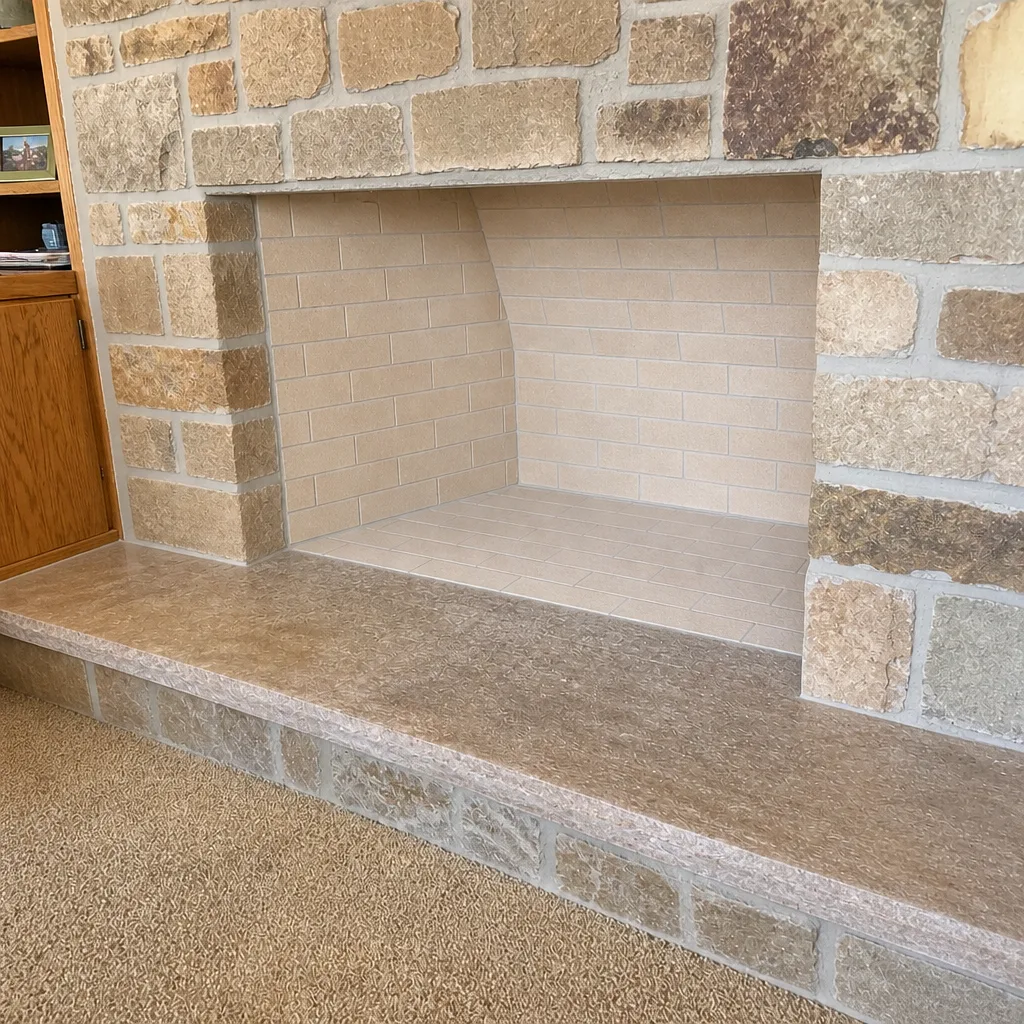
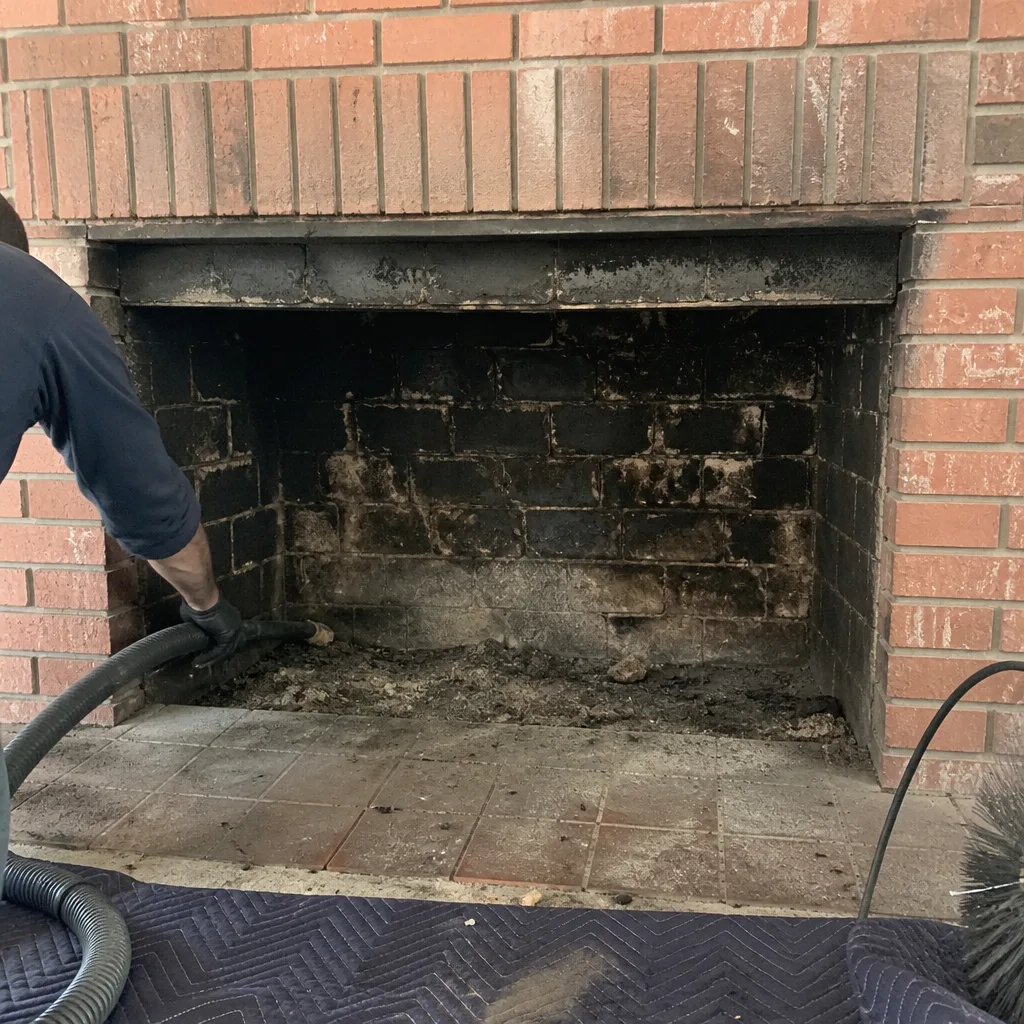
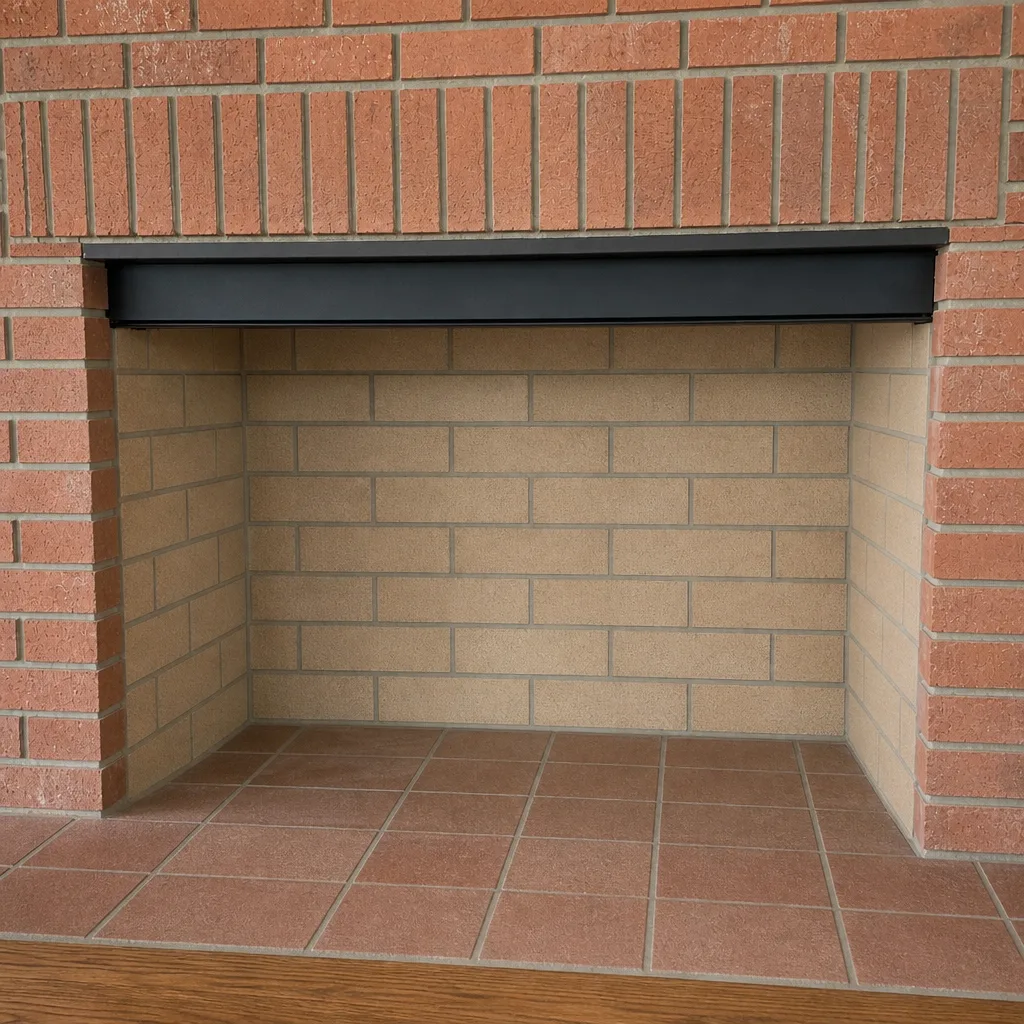
See the difference
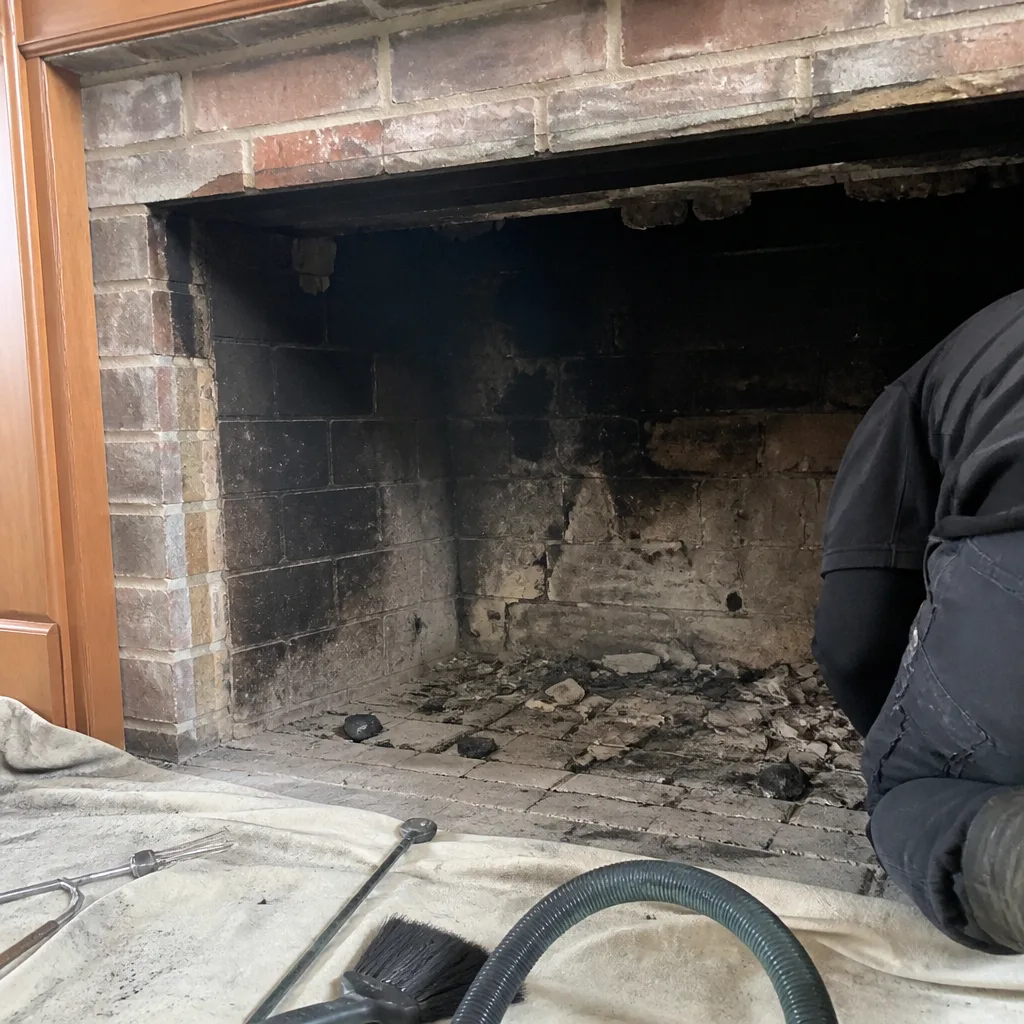 Before
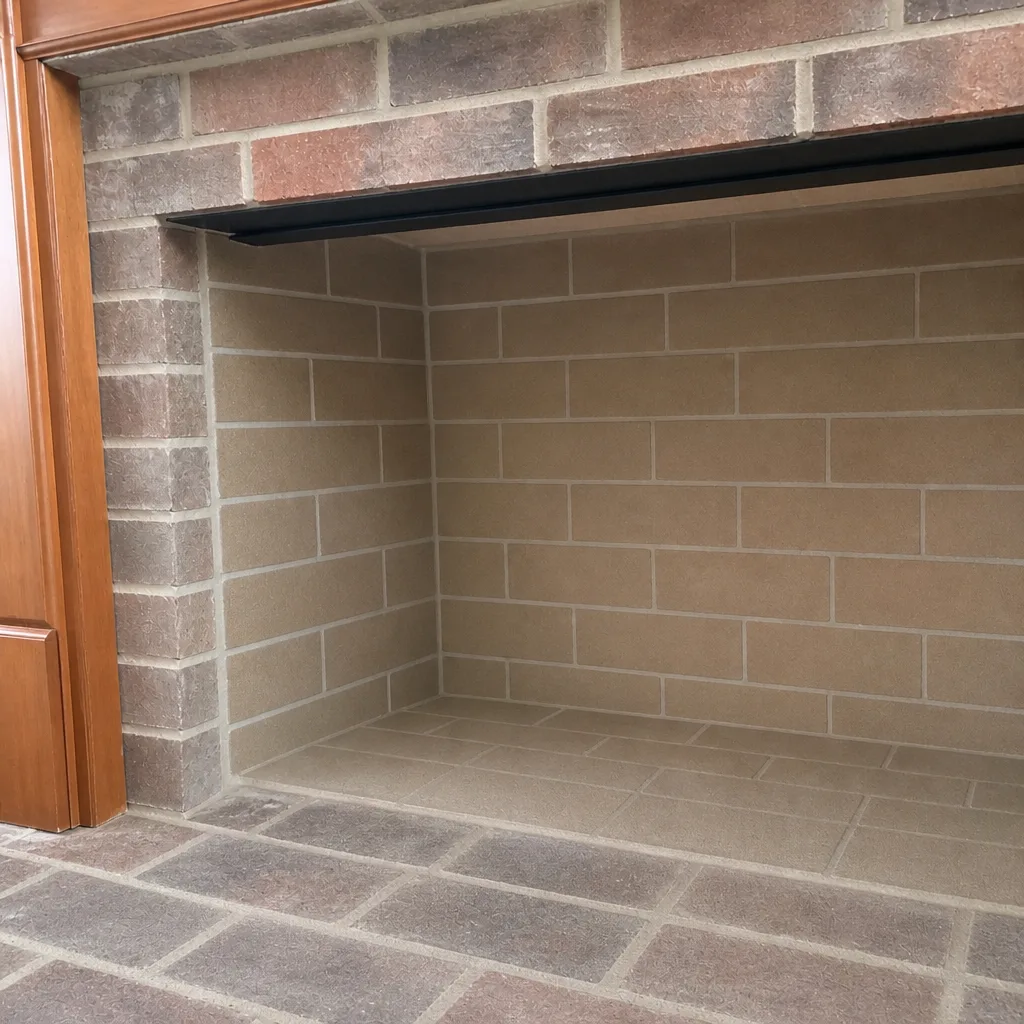 After
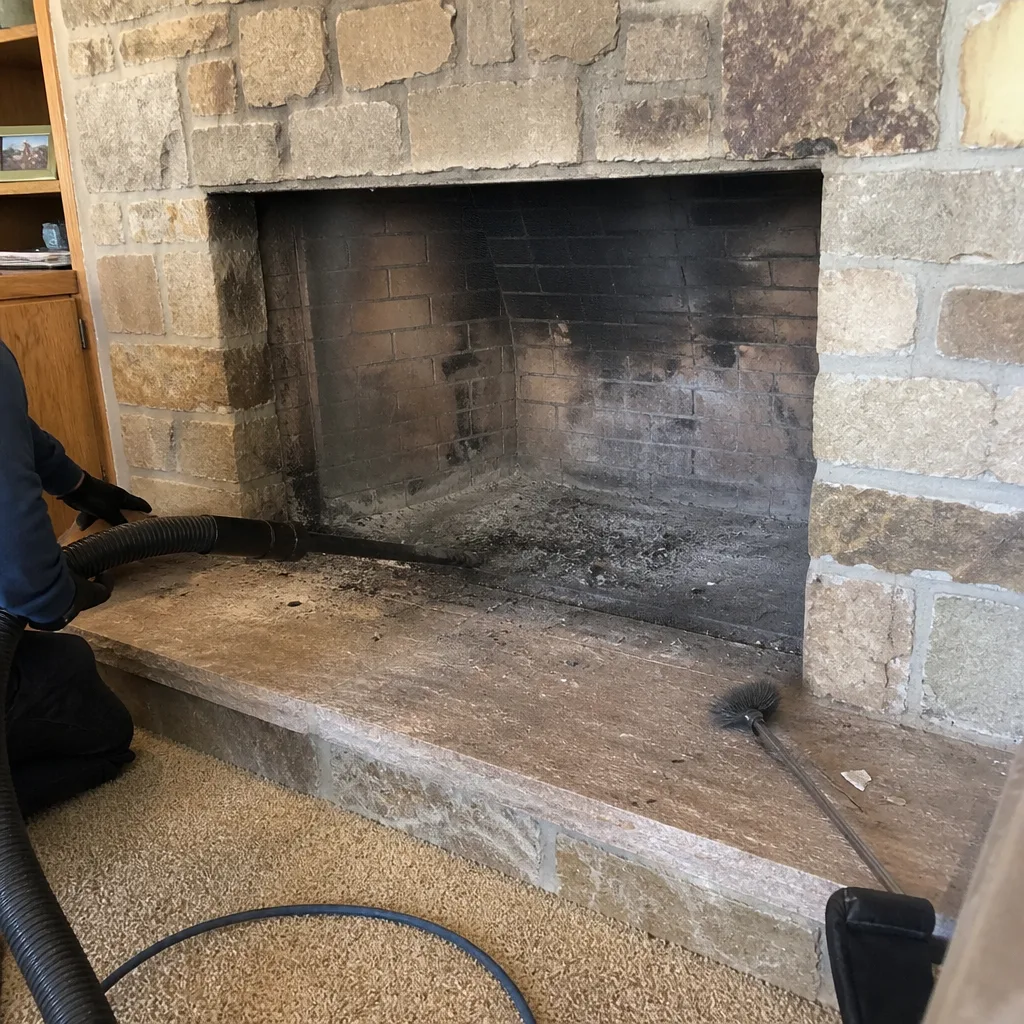 Before
 After
 Before
 After
When to Call a Professional
Call a professional if your chimney hasn’t been cleaned in more than a year of active use, if you’ve had a chimney fire, if you’re changing appliances, or if you’re preparing a home for sale. Call if you’ve found evidence of prior repairs that weren’t documented, or if you’re not sure whether a repair that’s been quoted requires a permit. Call if the camera inspection hasn’t been done in a home you’ve recently purchased. And call if you simply want a straight answer about where your chimney stands before something forces the question.
Chimney Sweep Meridian offers free estimates in Meridian. Call (866) 361-7607. We answer 24/7. Fast dispatch from 7am to 7pm, Sunday through Friday.
Frequently Asked Questions
No. Routine chimney cleaning and a Level I visual inspection are maintenance, and maintenance doesn’t require a permit in Meridian. A permit becomes relevant when the visit turns into repair or alteration work like relining, crown replacement, or flue tile work. If a repair is recommended, ask whether it requires a permit and who’s pulling it. Call (866) 361-7607 for an exact quote; estimates are free.
A Level II camera inspection is required at real estate transfer, after an appliance change, and following a chimney fire. Outside those situations, it’s recommended when a visual inspection suggests a problem or when the chimney hasn’t been examined in years. In a Meridian home, those three triggers are the ones that matter most. Call (866) 361-7607 to schedule one.
The buyer’s inspector will flag the work as unpermitted, and that usually means the seller has to prove it was done correctly or remediate before closing. An unpermitted reline or flue tile repair often gets discovered at exactly that moment. The cleanest fix is to get a camera inspection now and either permit the work retroactively where the city allows it, or have it redone correctly. Call (866) 361-7607 for an exact quote on the inspection.
It can. Insurers typically question claims where improper or unpermitted work contributed to the loss. A chimney fire traced back to an out-of-code liner installed without a permit is exactly the kind of discovery that complicates a claim. Documentation from a permitted, inspected job is the strongest position. Call (866) 361-7607 to get the inspection and the paperwork started.
It depends on the scope. HeatShield ceramic flue restoration is a repair rather than a cleaning, so in most cases it falls on the alteration side of the line and needs a permit in Meridian. The specific answer depends on what’s being restored and how much of the lining is involved, and the City of Meridian building department can confirm. Call (866) 361-7607 for an exact quote on the assessment.
Ask three things: whether the scope requires a permit, who is pulling it, and whether the finished work will be inspected by the city. A contractor who answers all three directly is operating correctly. A contractor who brushes past the question is telling you something. You can also call the City of Meridian building department and ask them to confirm the permit exists. Call (866) 361-7607 if you’d rather start with a documented inspection.
The Bottom Line
Cleaning your chimney in Meridian doesn’t need a permit. Repairing or altering it often does. The line between the two is what this guide is really about, and it’s the line most homeowners can’t see on their own. IRC Section R1003 sets the standard the permitted work has to meet. A Level II camera inspection is required at sale, at appliance change, and after a chimney fire, and it’s the only way to know what’s inside your flue. Unpermitted work shows up at the worst possible moments, usually during a claim or a closing. Documentation from a permitted, inspected job is the cleanest position, and it’s a lot easier to get ahead of than to fix after the fact. If you’re not sure where your chimney stands, start with the inspection and the photos. You’ll see exactly what we see, and nothing gets recommended that the evidence doesn’t support.
Chimney Sweep Meridian offers free estimates and works with the professional supply lines that professional-grade repairs require: HeatShield, DuraFlex, Gelco, Olympia Chimney, Famco, and Copperfield. From routine sweeping through repair and liner work, we handle the full arc. Call (866) 361-7607 for a free estimate. We answer 24/7. Fast dispatch from 7am to 7pm, Sunday through Friday.
Written by the team at Chimney Sweep Meridian.