
Last updated November 14, 2026
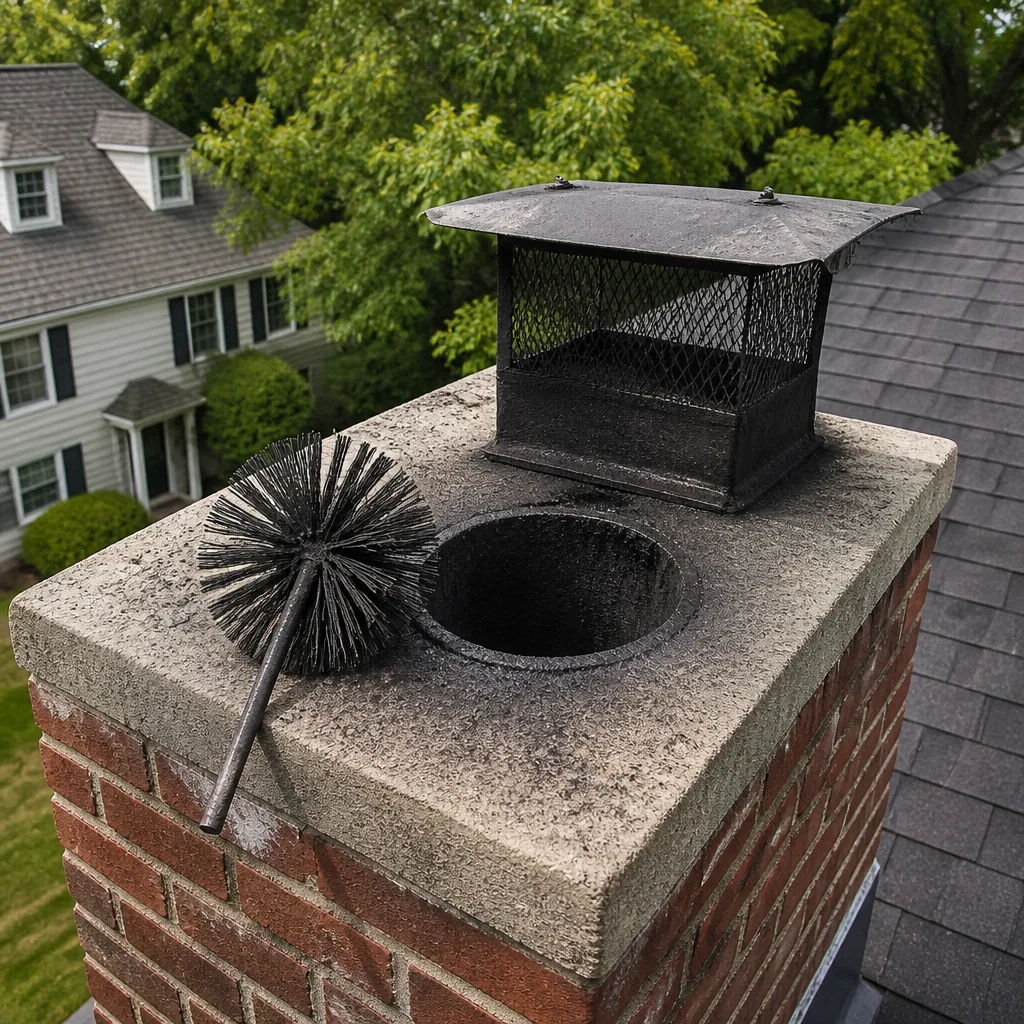 Sweep & inspection
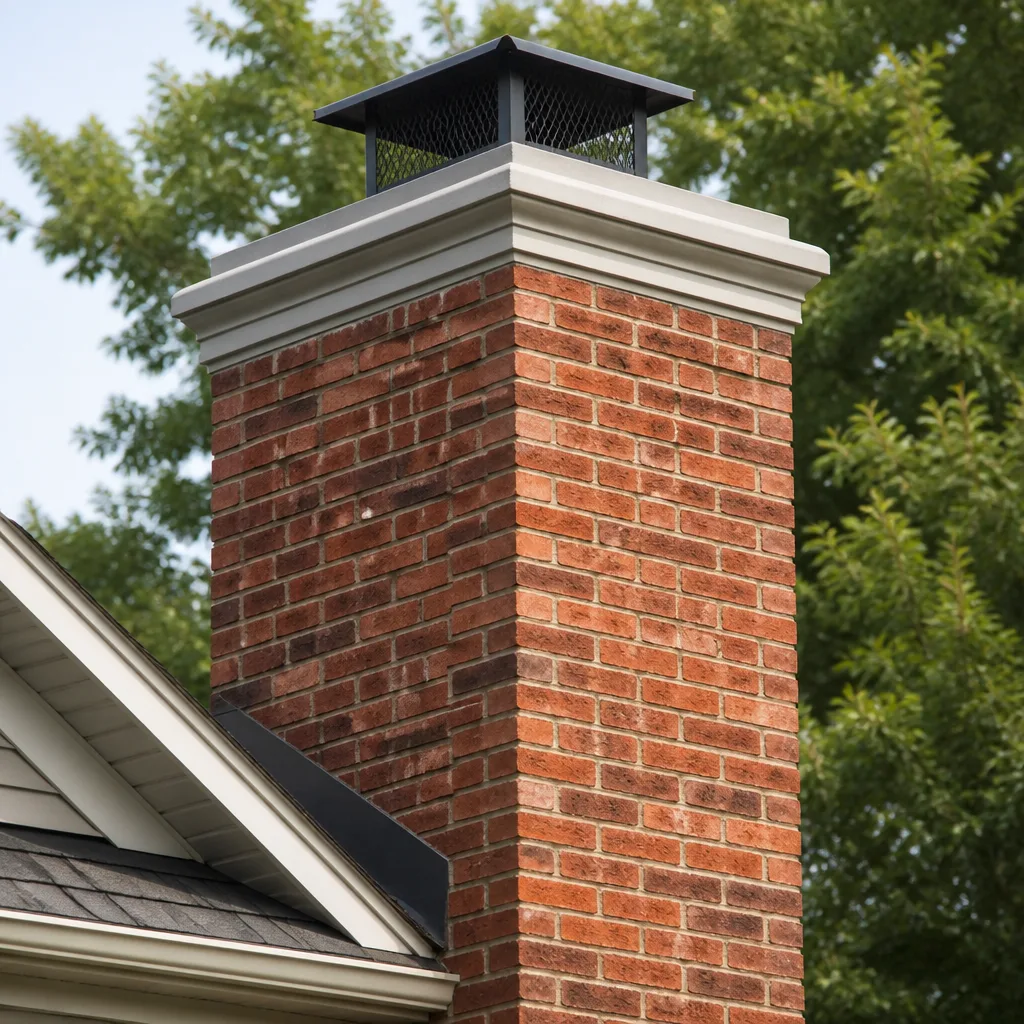 Caps & crowns
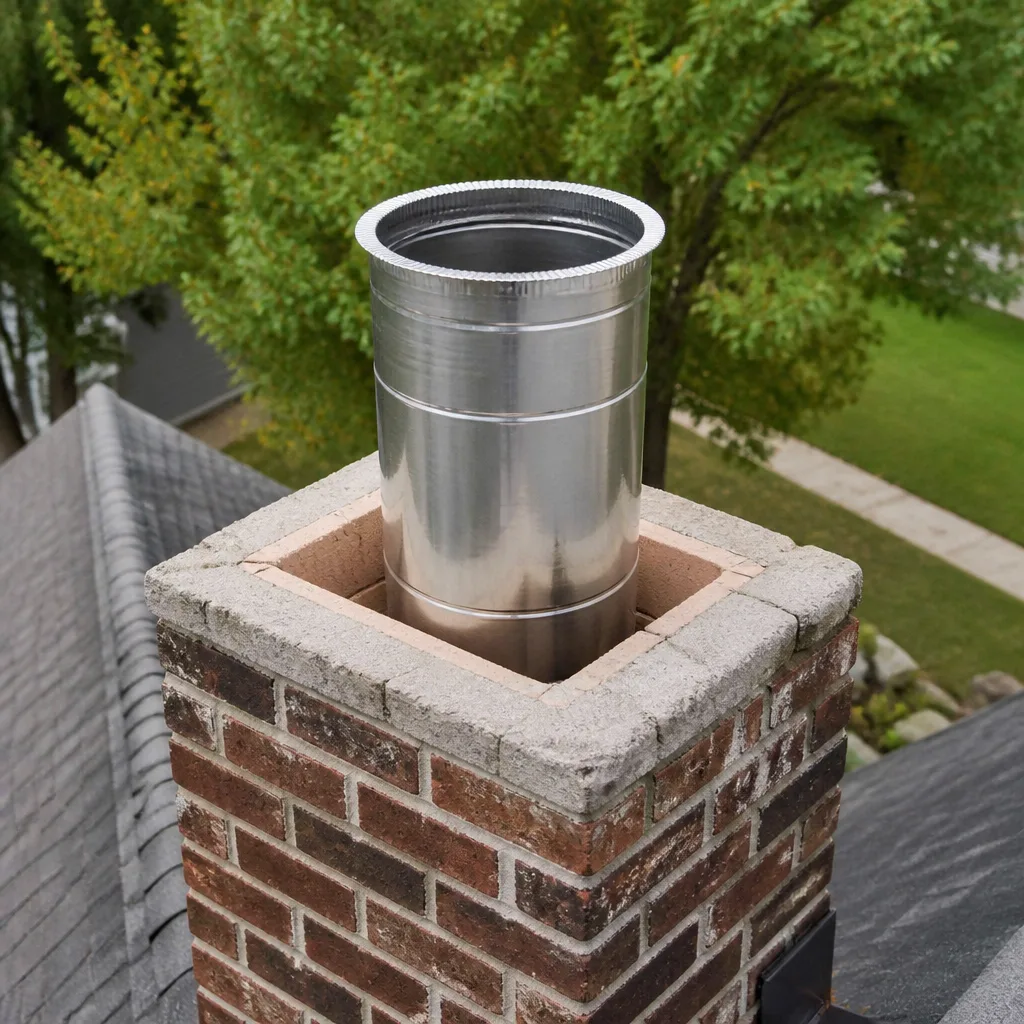 Flue relining
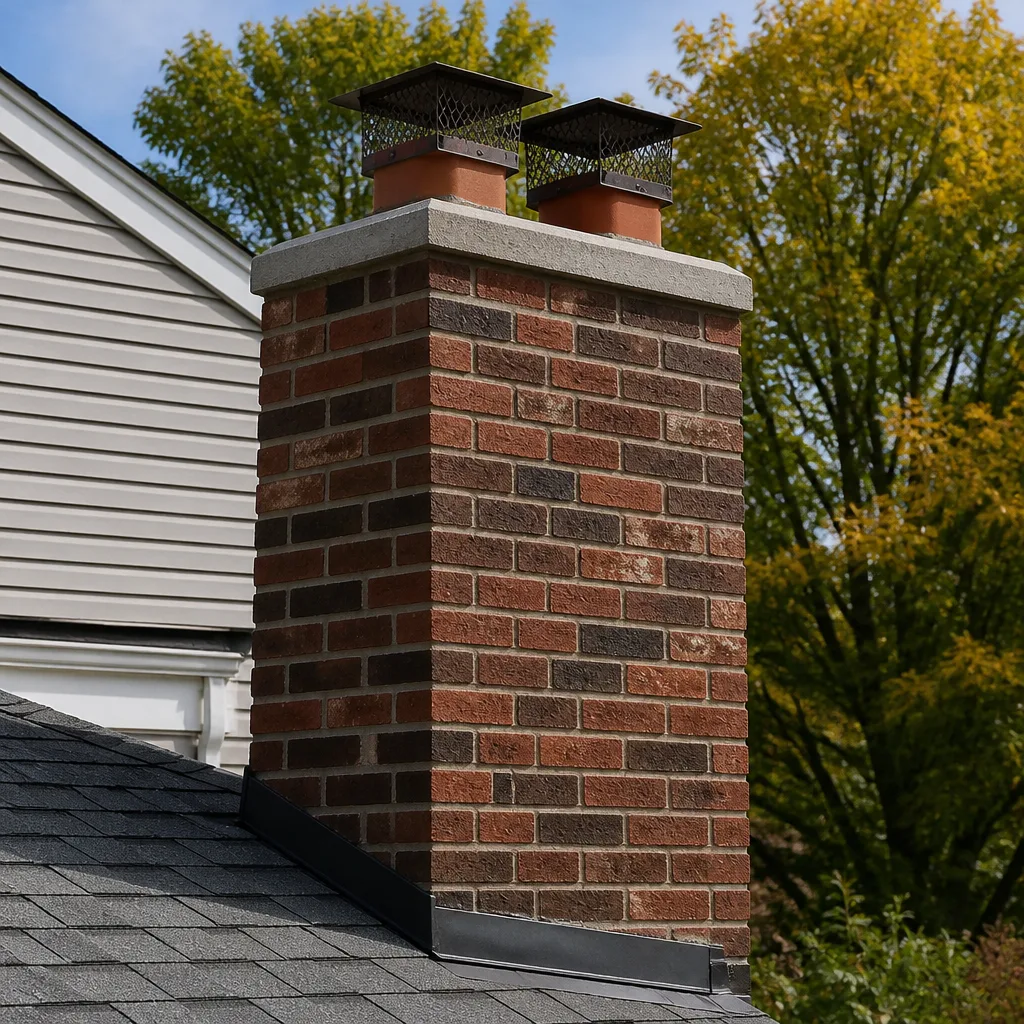 Masonry repair
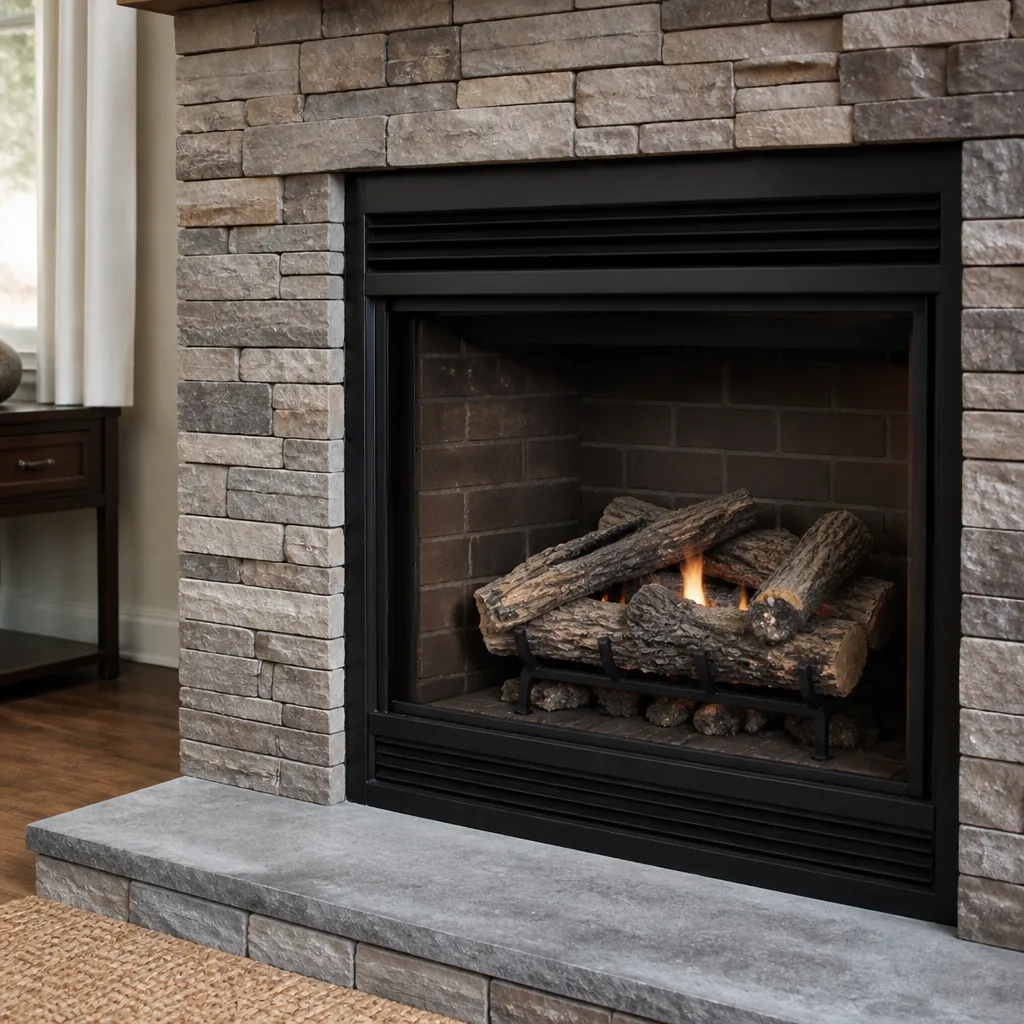 Gas fireplace service
Level 1 sweep and inspection to the NFPA 211 annual standard - flue, crown, cap, and flashing checked and photographed
Chimney sweep logs do not sweep chimneys. They loosen some creosote - which then falls where a brush and vacuum still have to collect it.
The Complete Guide to Chimney Cleaning in Meridian
Most chimney fires don’t start because homeowners skipped cleaning. They start because the cleaning was incomplete. In our experience, Stage 2 and Stage 3 creosote get routinely missed by brush-only sweeps, and both forms are common in Idaho’s cold-snap burn seasons. Meridian sits in high desert country where winter air swings hard between afternoon warmth and overnight freezes, and that pattern changes how wood burns and how creosote forms inside your flue. This guide maps exactly what Meridian chimneys face, what a professional cleaning actually involves from inspection through verification, how to read the report you get afterward, and when the work can genuinely wait. You’ll finish knowing what to ask for and what to expect.
Quick Answer
A professional chimney cleaning in Meridian involves three phases: a level-appropriate inspection, a mechanical sweep with the right brushes and tools for your flue type, and a verification pass that confirms the flue is clear and documents its condition. A standard annual cleaning calls for an NFPA 211 Level I inspection. Anything involving a change of fuel type, an appliance change, or a suspected problem after a chimney fire or damage calls for a Level II inspection with a camera. Brush-only sweeps miss the glazed creosote deposits that represent the real fire risk. A thorough clean, documented with before-and-after evidence, is what actually protects your home.
Styles & brands we work with
- Sweep & inspection
- Caps & crowns
- Flue relining
- Masonry repair
- Gas fireplace service
Table of Contents
- Why Meridian Chimneys Face a Different Creosote Pattern
- The Three Phases of a Professional Chimney Cleaning
- Wood Species in the Treasure Valley and Creosote Staging
- NFPA 211 Inspection Levels: What Each One Covers
- How to Read a Post-Sweep Report
- When Sweeping Is Enough and When You Need Repair
- The Other Fire Hazard: Dryer Vents
- How Often Should a Meridian Chimney Be Cleaned?
Why Meridian Chimneys Face a Different Creosote Pattern
Creosote doesn’t form at a uniform rate. It forms fastest when the fire is burning inefficiently, the smoke is cool, and moisture is present in the wood. Meridian’s winter weather produces those conditions more often than homeowners realize. The valley’s cold-snap pattern, where temperatures fall hard overnight and recover by afternoon, encourages homeowners to damp the fire down for the night and let it smolder until morning. A smoldering fire sends unburned gases and moisture up a cooler flue, and that’s exactly the recipe for rapid creosote accumulation.
Compare that to milder climates where fires burn hot and fast for shorter periods. In a Treasure Valley winter, a wood stove or fireplace insert often runs near-continuously for weeks at a time. That’s the right way to heat a home, but it also means the flue sees far more low-temperature smoke than a seasonal-burn household would produce. The result is that Meridian chimneys often develop creosote faster per cord of wood burned than chimneys in warmer parts of the country.
A few local factors compound this:
- Altitude. Meridian sits at roughly 2,600 feet, and thinner air changes draft characteristics. A flue that drafts well at sea level can draft more slowly here, giving smoke more time to condense.
- Dry air and static pressure. Tight modern homes in Meridian often pull combustion air from inside the house, competing with the chimney’s draft and slowing exhaust.
- Extended burn season. Heating season here can stretch from October into April, meaning more total burn hours and more total creosote buildup per year.
None of this means a Meridian chimney is doomed to problematic buildup. It means the margin for skipping cleanings is thinner than it is elsewhere. A sweep that happens on schedule and cleans thoroughly is what keeps the flue inside safe limits. Meridian homeowners who heat with wood, gas, or pellet appliances should treat an annual inspection as a baseline, not a luxury.
The Three Phases of a Professional Chimney Cleaning
A real chimney cleaning is not a quick brush and a goodbye. It’s a sequence of three distinct phases, each with a specific job. When a company skips any of them, the cleaning can look complete from the outside and still leave dangerous deposits behind.
Phase 1: Inspection
The technician begins with a visual inspection of the firebox, damper, smoke chamber, flue, and chimney cap. The purpose is to identify the flue type (masonry tile, stainless liner, or clay tile with damage), note any obvious cracks or gaps, determine how much and what stage of creosote is present, and check for obstructions like bird nests, leaves, or a collapsed cap. The technician also notes the appliance type and how it’s been burning. This is what determines the correct brush type, the correct cleaning tools, and whether a camera inspection (Level II) is warranted.
Phase 2: Mechanical Sweep
Only after the inspection does the actual cleaning begin. The technician sets up drop cloths and a shop vac with a HEPA filter to control dust, then works top-down or bottom-up depending on the configuration. Correct brushes for the flue type matter more than most homeowners realize. A rotary brush on a damaged clay tile can do real harm. The sweep also covers the smoke chamber, damper, and firebox shelf, not just the flue. Hard, glazed creosote (Stage 3) may need a chemical treatment or a rotary scour before it can be removed, since a standard brush will skate right over it.
Phase 3: Verification
This is the phase most often skipped by fly-by-night operators, and it’s the one that matters most. After cleaning, the technician should re-inspect or run a camera through the flue to confirm the deposits are actually gone, check that no brush debris or loosening mortar is caught in an offset or at the damper, and document the flue’s post-clean condition. Verification is also where you learn whether the flue can safely wait another year or needs repair work. The report you receive afterward should reflect what was found in all three phases, not just the cleaning itself.
If a sweep company can’t tell you which of these phases it performs, that tells you something. When we do a chimney sweep, all three phases are part of the same visit by design, and the report reflects them.
Wood Species in the Treasure Valley and Creosote Staging
The single biggest variable in creosote formation, other than how you run your fire, is what you burn. Treasure Valley homeowners have access to a wide range of firewood, and the species that dominate the local market create meaningfully different creosote profiles.
Hardwoods are the gold standard. Douglas fir is not a hardwood, but in Idaho it’s one of the most common firewoods sold, and it’s a workhorse when properly seasoned. The softwoods that make up a large share of the nearby forest harvest, including pine, lodgepole, and spruce, carry more resin and burn differently. They produce more smoke per unit of heat delivered, and unseasoned softwood is close to a worst-case scenario for creosote.
Here’s how the wood compares in practice:
- Seasoned hardwoods (oak, maple, birch): Highest heat output per cord, cleanest burn, lowest creosote contribution.
- Seasoned softwoods (Douglas fir, pine, lodgepole): Good heat and easy lighting, but more frequent creosote buildup. Fine for steady use if the flue is cleaned on schedule.
- Green or unseasoned wood: The biggest creosote contributor of all. Moisture is a creosote accelerant, and “seasoned” claims from some firewood suppliers don’t hold up.
- Construction scraps, treated wood, or paper: Never appropriate for the firebox. Treated lumber releases compounds you don’t want in your home.
Softwood from the forests near Meridian is not off-limits. Many households in the Treasure Valley heat primarily with lodgepole and pine because it’s what’s abundant and affordable. But it raises the stakes on annual cleaning. A flue that sees mostly seasoned fir and pine needs the same sweep schedule as a hardwood-burning flue, and it needs a thorough sweep, not a quick brush pass. If you’re storing wood, keep it covered and off the ground, and test it by knocking two split pieces together. A sharp crack is ready; a dull thud means wait.
NFPA 211 Inspection Levels: What Each One Covers
NFPA 211 is the national standard for chimneys, fireplaces, vents, and solid fuel-burning appliances. It defines three tiers of inspection, and knowing which one applies to your situation keeps you from paying for a camera inspection you don’t need or, worse, skimping on one you do.
Level I Inspection
A Level I inspection is the baseline visual check that accompanies a standard annual cleaning. It covers readily accessible portions of the appliance and venting system: the firebox, damper, visible flue sections, and the chimney cap. It makes sure the flue is clear and identifies obvious problems. If your appliance type hasn’t changed, you haven’t moved, and there’s no reason to suspect damage, a Level I inspection is what a standard annual service calls for.
Level II Inspection
A Level II inspection adds video camera access to the flue and other accessible portions not visible from the firebox. It’s required when the appliance or fuel type changes, when the home is under a real estate transaction, after a chimney fire, after an earthquake or other event that could have caused damage, or whenever the Level I turns up signs of trouble. In our experience, most hidden liner and flue tile damage is caught at this level.
Level III Inspection
A Level III inspection is the deepest tier, and it can involve removing parts of the chimney structure to reach concealed areas. It’s used when a serious hazard is suspected and can’t be assessed any other way. Most homeowners will never need one, but if a sweep tells you there’s a serious issue without offering you visual evidence, a Level II or III review is how you get confirmation.
If a sweep company can’t tell you which level they performed, or won’t document their findings, that’s a signal. The level performed should be noted in your report. For a routine annual clean in Meridian, expect Level I. For anything more complex, the visit should include a camera and photos.
How to Read a Post-Sweep Report
The report you receive after a cleaning is the single most useful document you can have on file. It’s your record of what was found, what was done, and what to watch for next year. A vague or missing report tells you a lot about how carefully the work was done. A real report contains specific, verifiable information.
A useful post-sweep report should include:
- The inspection level performed. Level I, Level II, or Level III, stated plainly.
- The flue construction and appliance type. Masonry clay tile, stainless liner, insert, freestanding stove, gas, pellet, or wood.
- Creosote staging. What degree of creosote was observed and where (Stage 1, 2, or 3), plus the amount and location.
- Photos or video evidence of the flue before and after cleaning, especially if a camera was used.
- Conditions noted, not just cleaned. Cracks, gaps, offset sections, missing mortar joints, damaged caps, and any obstruction removed.
- A clear repair recommendation with evidence. If the report recommends a liner, a HeatShield flue resurfacing, or a cap replacement, it should show why. Nothing should be recommended without camera evidence you can see.
- What can safely wait. A trustworthy report tells you when a noted item is a watch-point for next year rather than an immediate concern.
When a report is one line long, or verbally delivered with no visual evidence, ask for it in writing. A professional sweep company will provide one without being asked. If you get resistance, that’s your cue to get a second opinion before authorizing any repair work. The report is as much a part of the cleaning as the brush.
When Sweeping Is Enough and When You Need Repair
Not every sweep ends with a clean bill of health, and not every concern that comes up is an emergency. The trick is separating cosmetic wear from structural damage that affects safety. Here’s how we approach that call, and how you can too.
Sweeping is enough when the flue is intact, clear, and free of glazed creosote after the cleaning. The report notes minor wear and you’re on a normal annual schedule. That’s the vast majority of cleanings.
Repair territory opens when the report finds:
- Glazed Stage 3 creosote that chemical treatment or rotary cleaning couldn’t remove. A heat-rated resurfacing product can seal over damaged or pitted flue surfaces in some cases, extending the material’s service life without a full tear-out.
- Cracked or spalled clay flue tiles. HeatShield ceramic flue restoration is designed for exactly this. It resurfaces the flue interior rather than replacing it, and it’s a documented repair method that requires trained application. Not every sweep company can offer it, which is worth knowing before you get a quote for a full liner.
- Offset or irregular flue sections that need a flexible liner rather than a rigid one. A DuraFlex system can handle configurations that rigid liner installers routinely turn down.
- Missing or damaged caps, dampers, and venting components. Access to brands like Copperfield and Gelco means parts can be sourced and installed, often in the same visit, instead of a second appointment weeks later.
One question worth asking when repair is on the table: could resurfacing solve this, or is a liner the only option? HeatShield is often the less expensive path, and it’s less invasive than a full tear-out. A specialist who offers both should be able to explain which fits your flue and why. “The right liner for your flue, not the easiest one to install” is the standard, and it’s the right one to hold the company to.
The Other Fire Hazard: Dryer Vents
Your dryer vent is the second most common source of home clothes-dryer fires, and it’s usually the one homeowners forget. Lint accumulates on the inside of the duct and near the dryer exhaust. When it builds up enough to restrict airflow, the dryer runs hotter, and a hot dryer with a compromised vent is a fire waiting for a reason. The same fire-safety standards that apply to chimney work apply here, and the inspection-and-verification approach carries over directly.
Signs your dryer vent needs attention:
- Clothes take longer than they used to, or need a second cycle.
- The dryer feels hot to the touch on the exterior.
- The outside vent flap doesn’t open fully or has visible lint around it.
- You can’t remember the last time it was cleaned.
Cleaning a dryer vent isn’t about lint removal for its own sake. It’s about protecting the home from a fire hazard that’s easy to overlook because the equipment “still works.” Proper dryer vent cleaning includes access to the full duct length, removal of accumulated lint and debris, verification of airflow after cleaning, and a check that the vent flap and duct connections are intact. It can be scheduled alongside a chimney cleaning, which makes it easy to stay on top of a full-home fire-safety routine.
How Often Should a Meridian Chimney Be Cleaned?
Once a year for homes that heat with wood as the primary source, and once a year for most homes that use a wood-burning fireplace or stove regularly. That’s the baseline. The frequency can need adjusting based on how much you burn and what you burn. For homes that burn a cord or more a year, or that run a stove near-continuously through winter, annual is a minimum, and a mid-season check is worth considering. For occasional-use gas fireplaces, annual inspection still matters because the flue can collect debris and the appliance can develop issues that aren’t visible.
A simple rule: if you can’t remember the last time the chimney was cleaned, it’s overdue. If you just moved into a home in Meridian and don’t know its service history, treat the first cleaning as a baseline inspection and add a Level II if the appliance type has changed or anything in the firebox looks off.
Common Mistakes to Avoid
- Accepting a brush-only sweep as a full cleaning. A brush pass misses glazed Stage 3 creosote and doesn’t verify the flue is clear. Ask whether the visit includes an inspection and a verification pass, and get the answer in writing.
- Skipping the camera inspection after a “clean” result. A flue can look clear from the firebox and still have cracked tiles or an offset section higher up. Level II is the only way to be sure.
- Burning unseasoned wood because it’s cheap and available. Green wood is the biggest creosote accelerant in the Treasure Valley market. Buy in spring for use next winter and store it covered and off the ground.
- Damping the fire down overnight for an all-night burn. It saves wood and produces more creosote. If you want an overnight burn, keep enough air moving that the fire stays hot and the chimney well above the condensation point.
- Waiting until there’s a problem. By the time a chimney is producing smoke smell, draft issues, or visible damage, the flue has usually been building trouble for one or more seasons. Annual cleaning catches it earlier.
- Assuming the sweep and any repair will be handled by the same company. Many cleanings end with a repair recommendation that gets passed to a separate contractor. Ask up front whether the company handles repairs, or you’ll end up managing two vendors.
- Overlooking the dryer vent. It’s the other fire hazard in your home. If it’s never been cleaned, put it on the same schedule as the chimney.
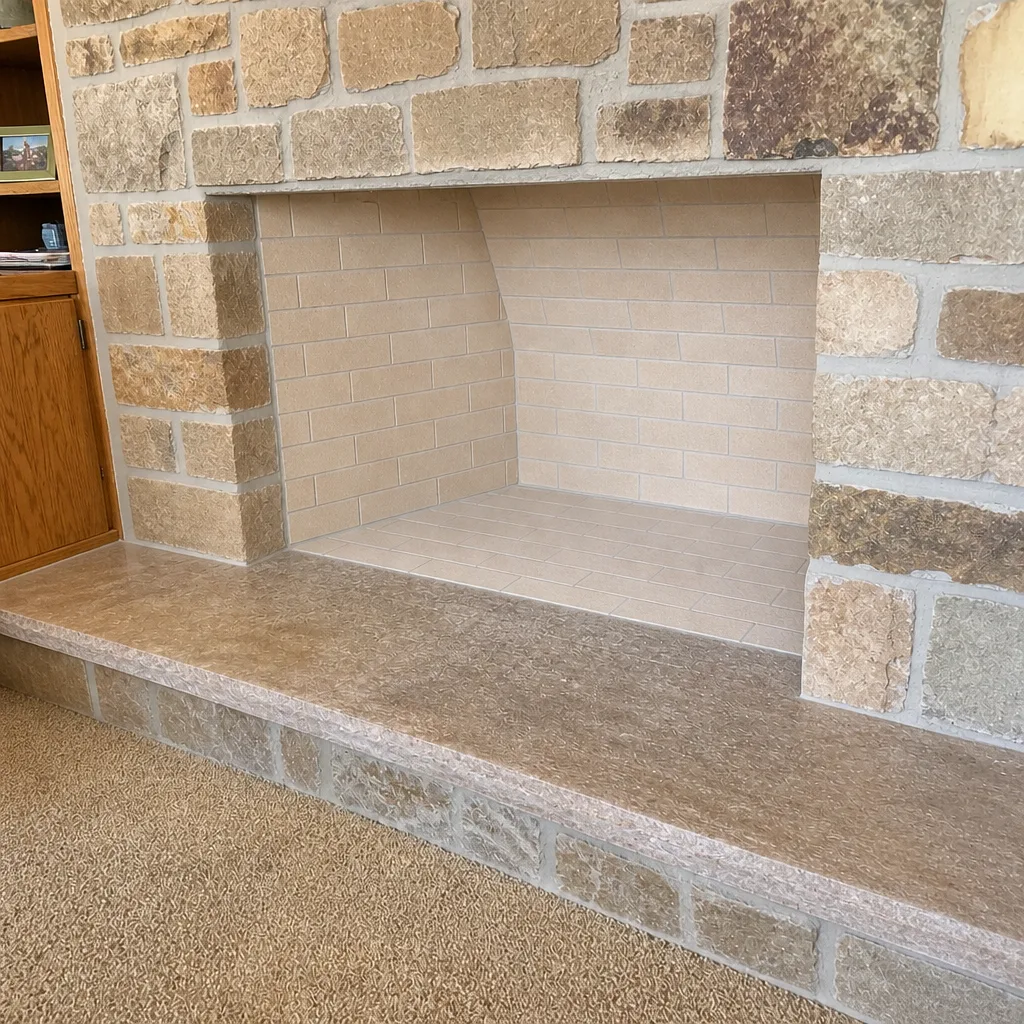
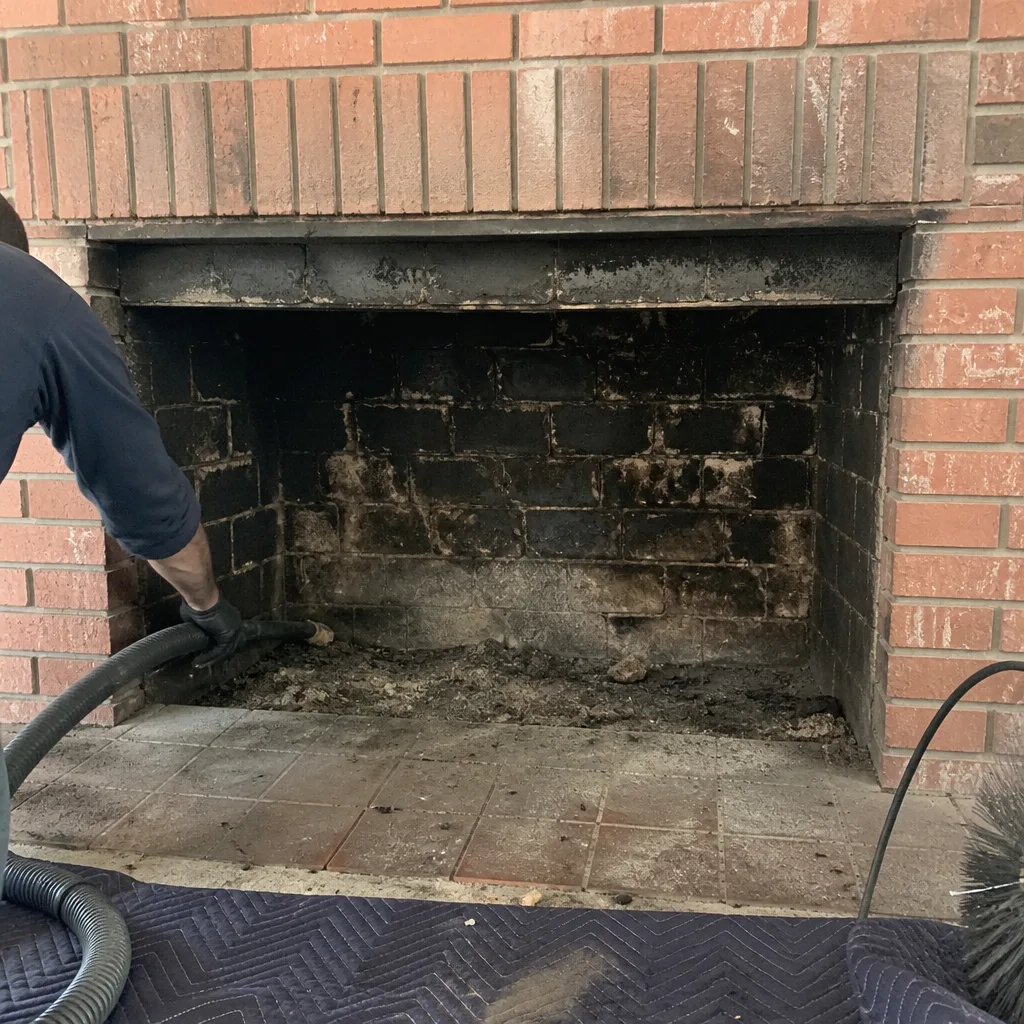
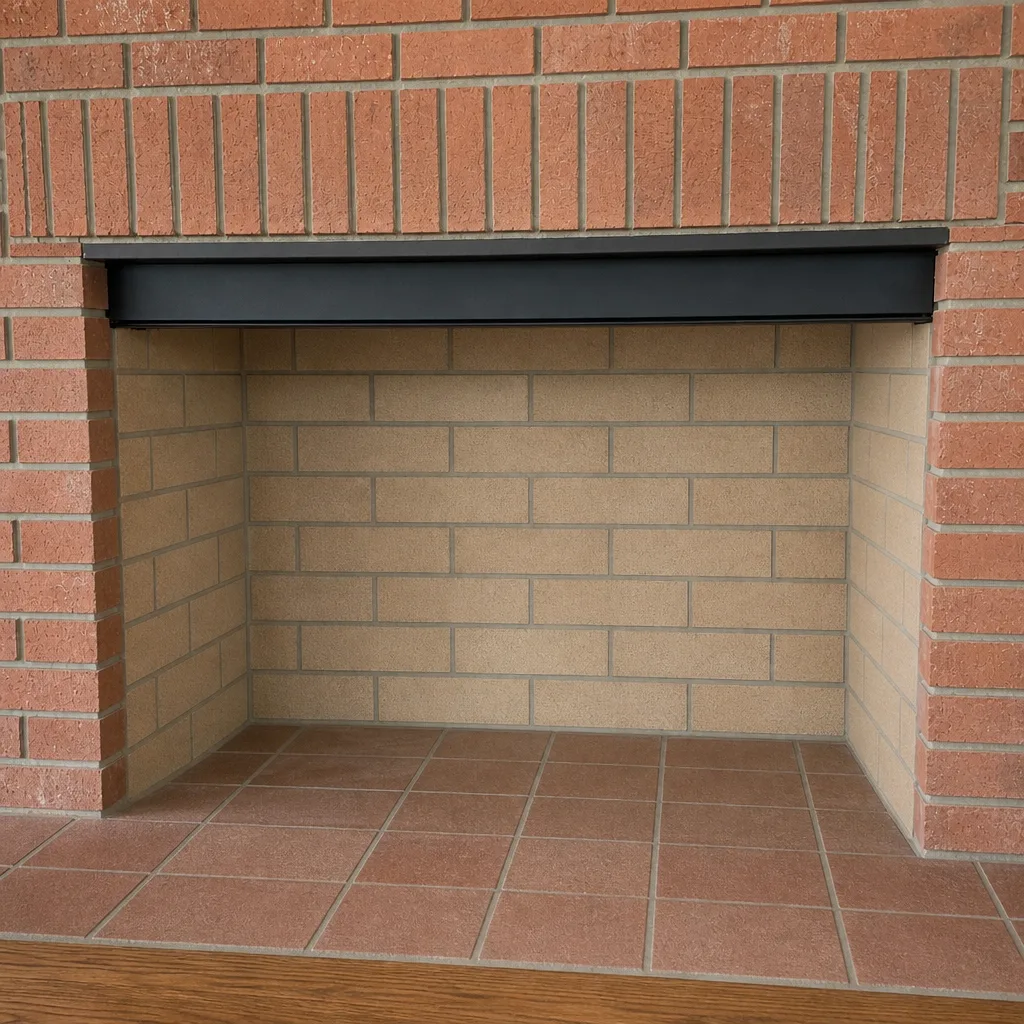
See the difference
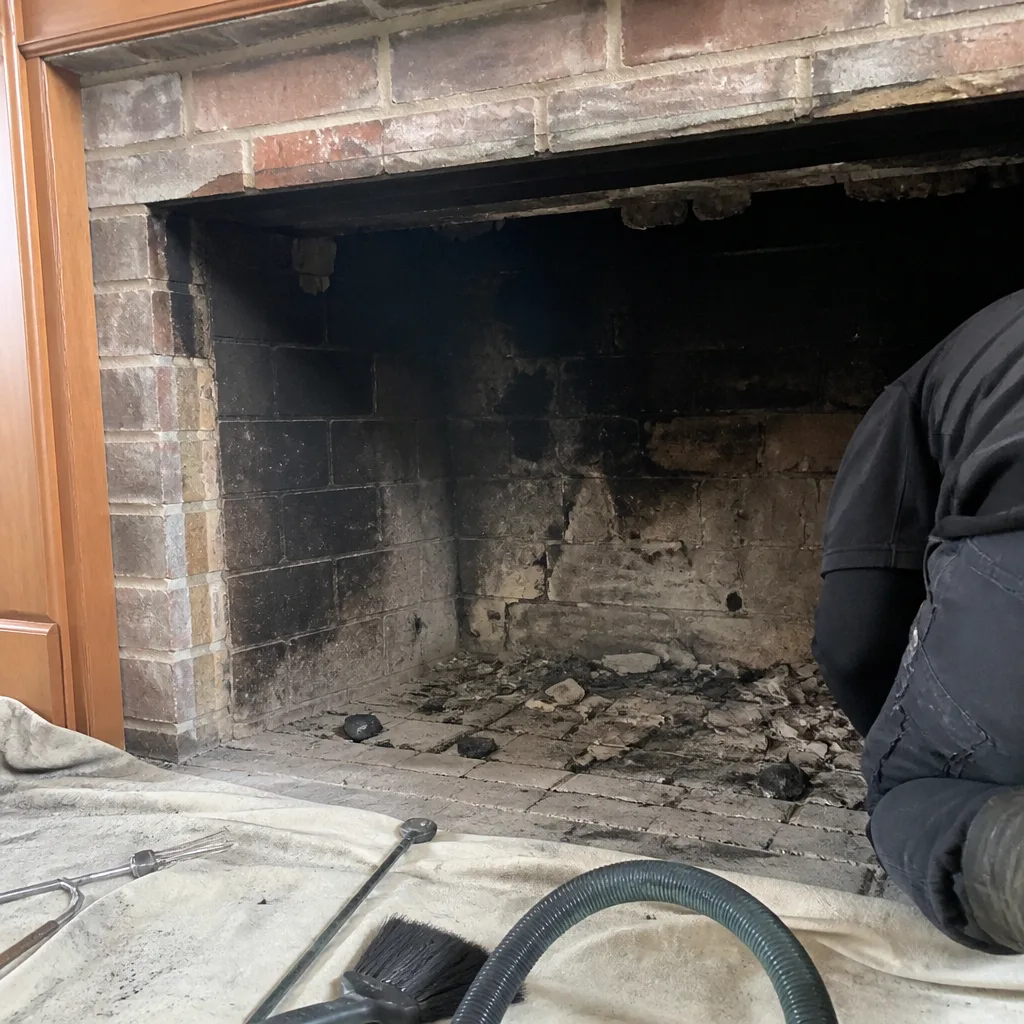 Before
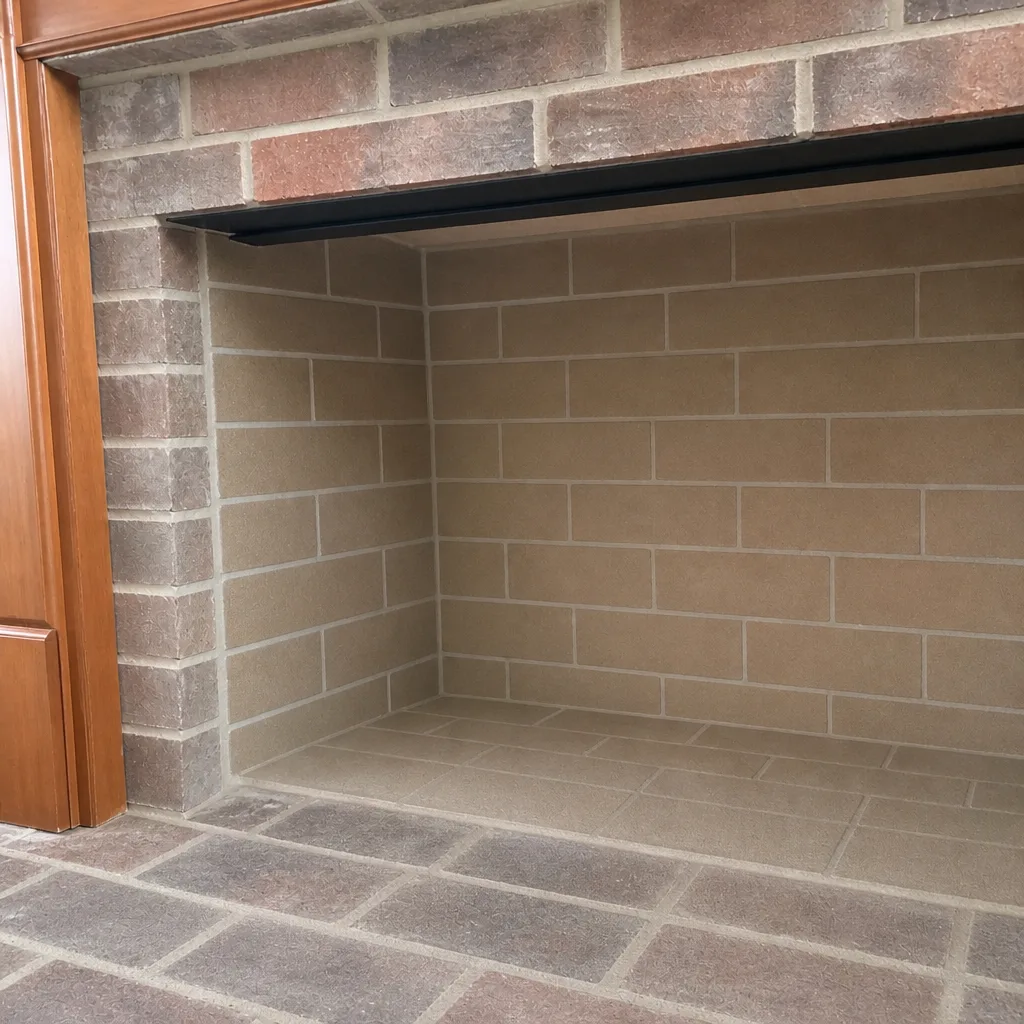 After
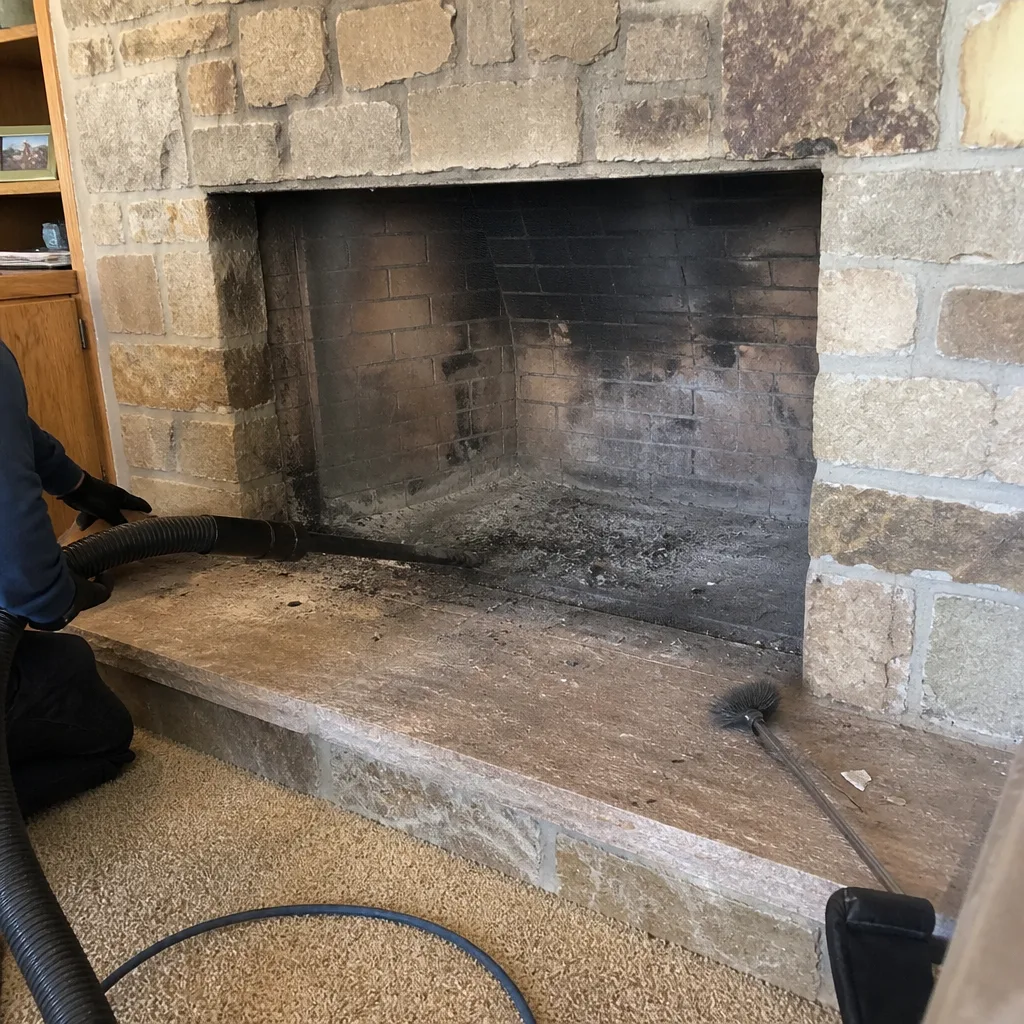 Before
 After
 Before
 After
When to Call a Professional
If your chimney hasn’t been cleaned in the last year and you’ve been burning wood, gas, or pellets regularly, book a cleaning. If you notice signs of creosote buildup (corrugated, cracked, or glassy-looking deposits in the firebox or visible flue sections), strong smoke smells in the house when the fireplace isn’t in use, a damper that sticks or won’t close, or a chimney cap that looks damaged or missing, it’s time for a professional inspection. A suspected chimney fire, even a small one, means a Level II inspection before the next fire. And if you’ve just moved into a home whose service history you don’t know, start fresh with a baseline cleaning and a full report. Chimney Sweep Meridian offers free estimates in Meridian – call (866) 361-7607. We answer 24/7. Fast dispatch from 7am to 7pm, Sunday through Friday.
Frequently Asked Questions
A standard chimney sweep is typically priced per job based on the flue type, length, and how much creosote is present, and the written estimate you receive before booking sets the final price. There’s no fixed market rate because every flue is different; ask for the estimate to spell out what’s included (inspection, sweep, verification, report), and compare on total scope rather than on a single number. If a repair is recommended, ask for the camera evidence behind it before agreeing. Call (866) 361-7607 for an exact quote – estimates are free.
Not necessarily, and that’s the conversation worth having. Damaged or pitted clay flue tiles can sometimes be resurfaced with a product like HeatShield, which restores the flue interior without a full tear-out. A full liner is the right call when the flue has structural gaps, an offset configuration, or damage that resurfacing can’t seal. Nothing should be recommended without camera evidence you can see yourself, and a trustworthy company will show you the footage and explain the options. Call (866) 361-7607 to schedule a Level II inspection and find out which repair path fits your flue.
Once a year is the baseline for most homes that burn wood, gas, or pellets. Homes that burn a cord or more of wood per year, or that run a stove near-continuously through a Treasure Valley winter, should consider an annual clean as a minimum and a mid-season inspection if creosote builds quickly. If you can’t remember the last cleaning, treat it as overdue. Call (866) 361-7607 to schedule a cleaning and get a baseline report.
Creosote builds up inside the flue, and each successive season’s deposits get harder and more difficult to remove. Stage 1 creosote is a light soot that brushes away easily. Stage 2 is a harder, flaky deposit. Stage 3 is glazed, tar-like, and requires chemical treatment or professional resurfacing to remove. A flue with significant buildup is a real fire hazard, and it also drafts poorly, which means less efficient burns and more creosote. The goal is to keep the flue in safe range before any of that becomes a repair job. Call (866) 361-7607 for an inspection if you’re unsure where your flue stands.
Often, yes, depending on current scheduling. We answer 24/7, and dispatch runs from 7am to 7pm, Sunday through Friday. A call outside dispatch hours is booked into the next opening. When you call, have your appliance type and any known service history on hand so we can give you the most accurate estimate and set the right expectations for the visit. Call (866) 361-7607 to book.
Look for three things: a documented inspection level, a written report with photos or video, and the ability to handle repair in-house if it’s needed. A company that can sweep and then recommend a repair without evidence isn’t a specialist you want. Brands like HeatShield, DuraFlex, Copperfield, and Gelco are professional-grade materials that indicate a real repair capability, not just a cleaning service. If a sweep company can’t explain which inspection level it performed or won’t give you the report in writing, that’s your signal. Call (866) 361-7607 to compare what a full-service visit looks like.
The Bottom Line
Chimney cleaning in Meridian is not a one-size-fits-all service. The high desert cold-snap pattern, extended burn season, and abundance of softwood firewood in the Treasure Valley all push creosote staging faster than in milder climates. A thorough cleaning has three phases (inspection, sweep, verification), and skipping any of them leaves your flue in a false state of “clean.” Insist on a documented NFPA 211 inspection level, a post-sweep report with visual evidence, and a company that can handle both the cleaning and any repair work. Get on an annual schedule and treat the dryer vent as part of the same fire-safety routine. The point isn’t the cleaning itself. The point is knowing your flue is actually clear.
If you’d like a free estimate from a specialist who handles the full arc from sweep through repair, call Chimney Sweep Meridian at (866) 361-7607. We answer 24/7. Fast dispatch from 7am to 7pm, Sunday through Friday. You’ll get an honest assessment, a documented report, and a clear answer on whether repair is needed now or can safely wait.
Written by the team at Chimney Sweep Meridian.