
Last updated November 14, 2026
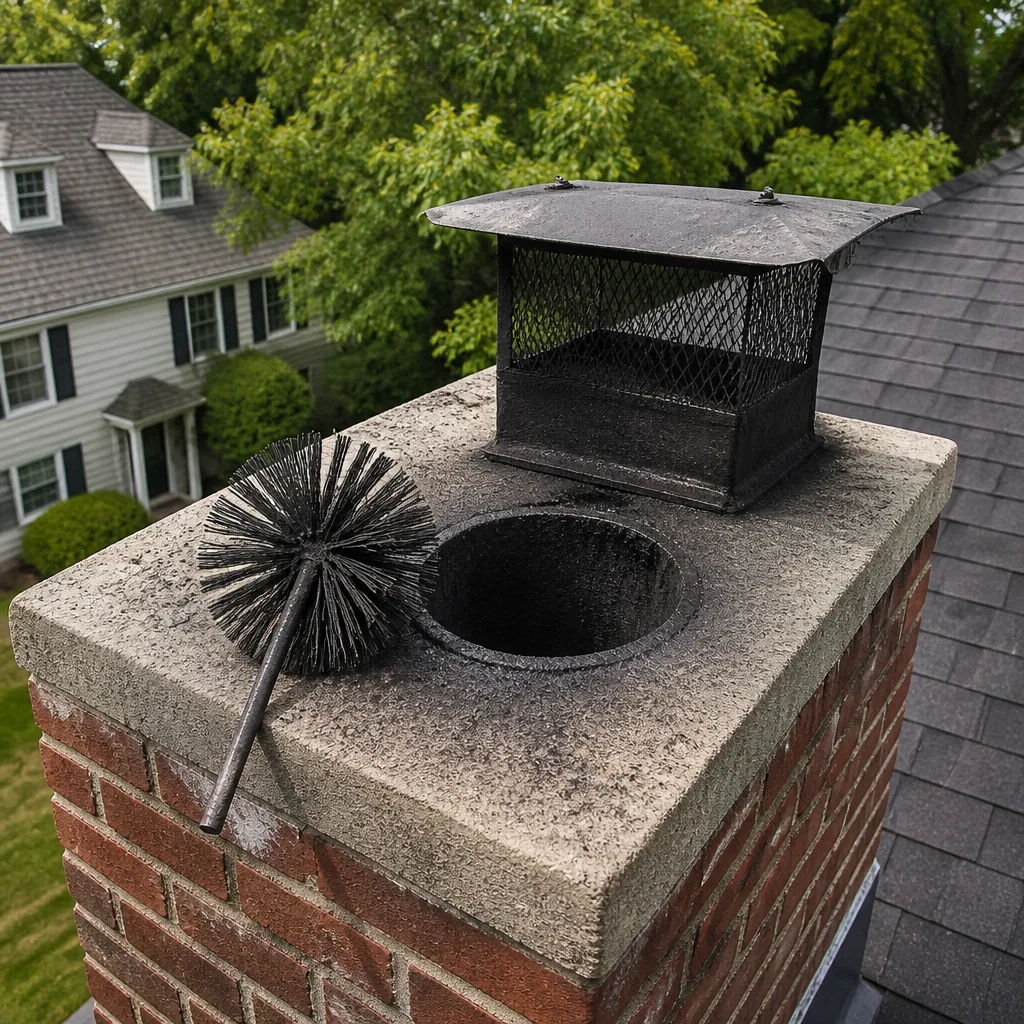 Sweep & inspection
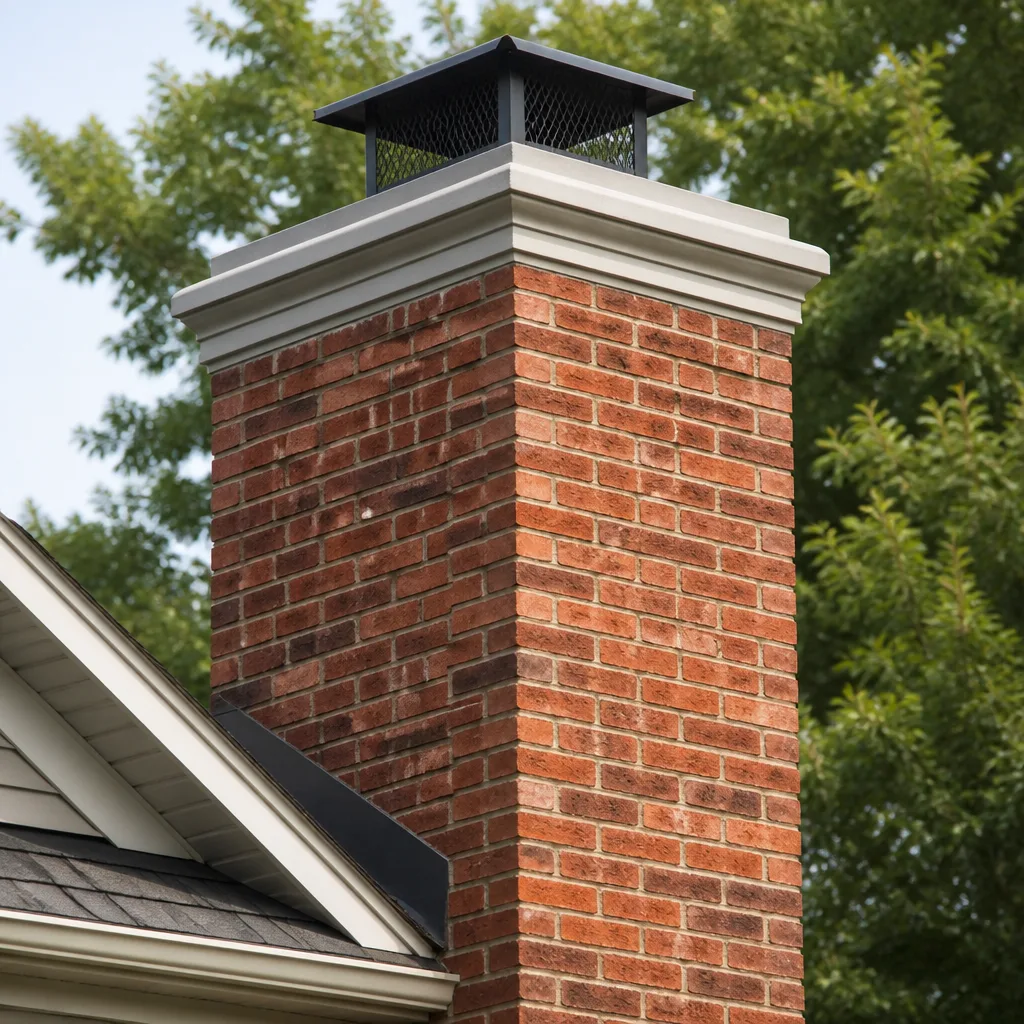 Caps & crowns
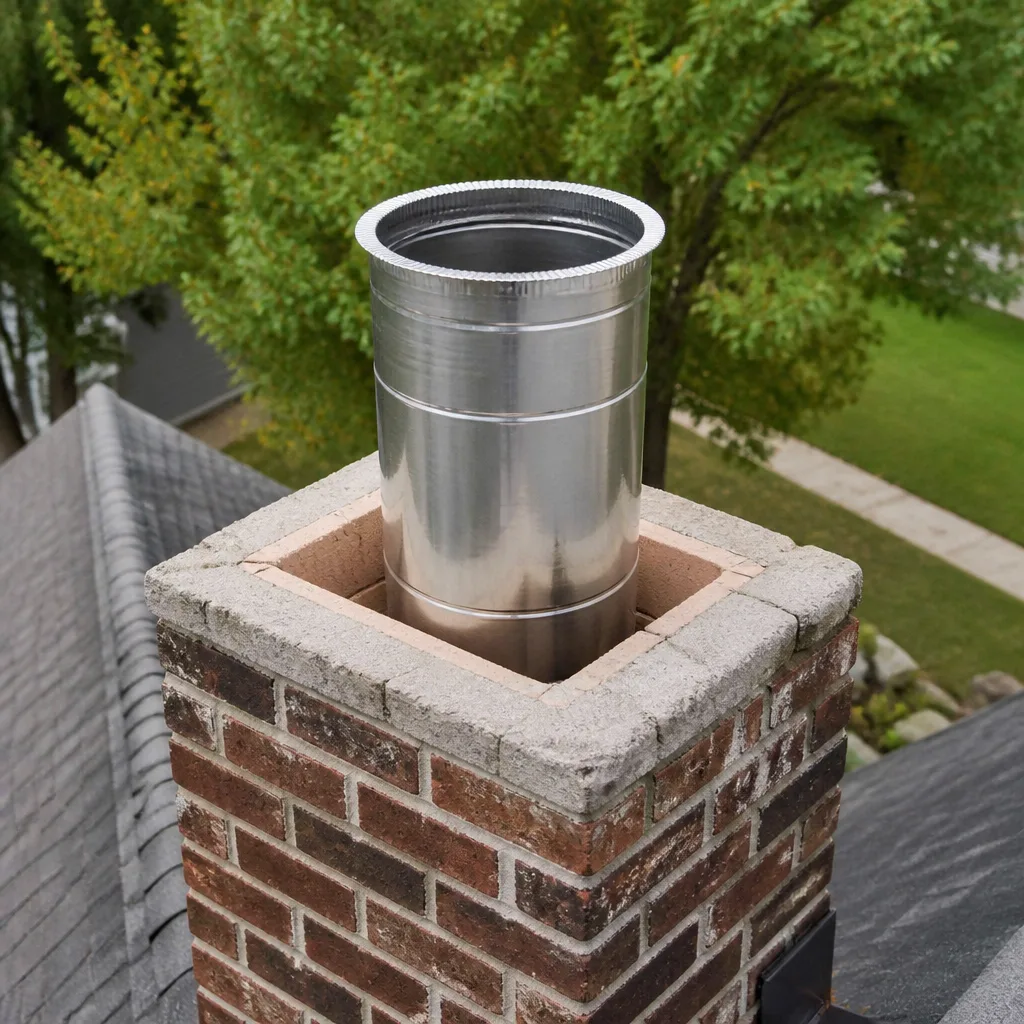 Flue relining
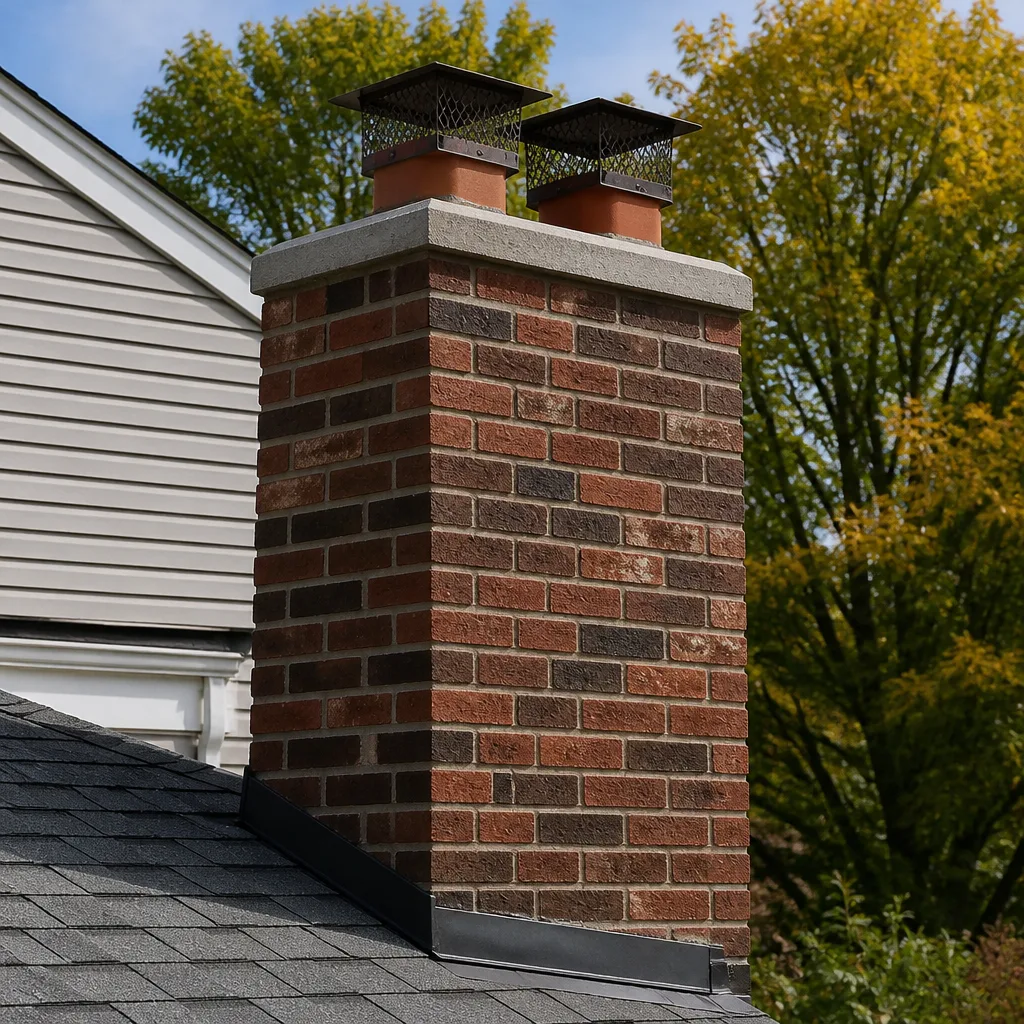 Masonry repair
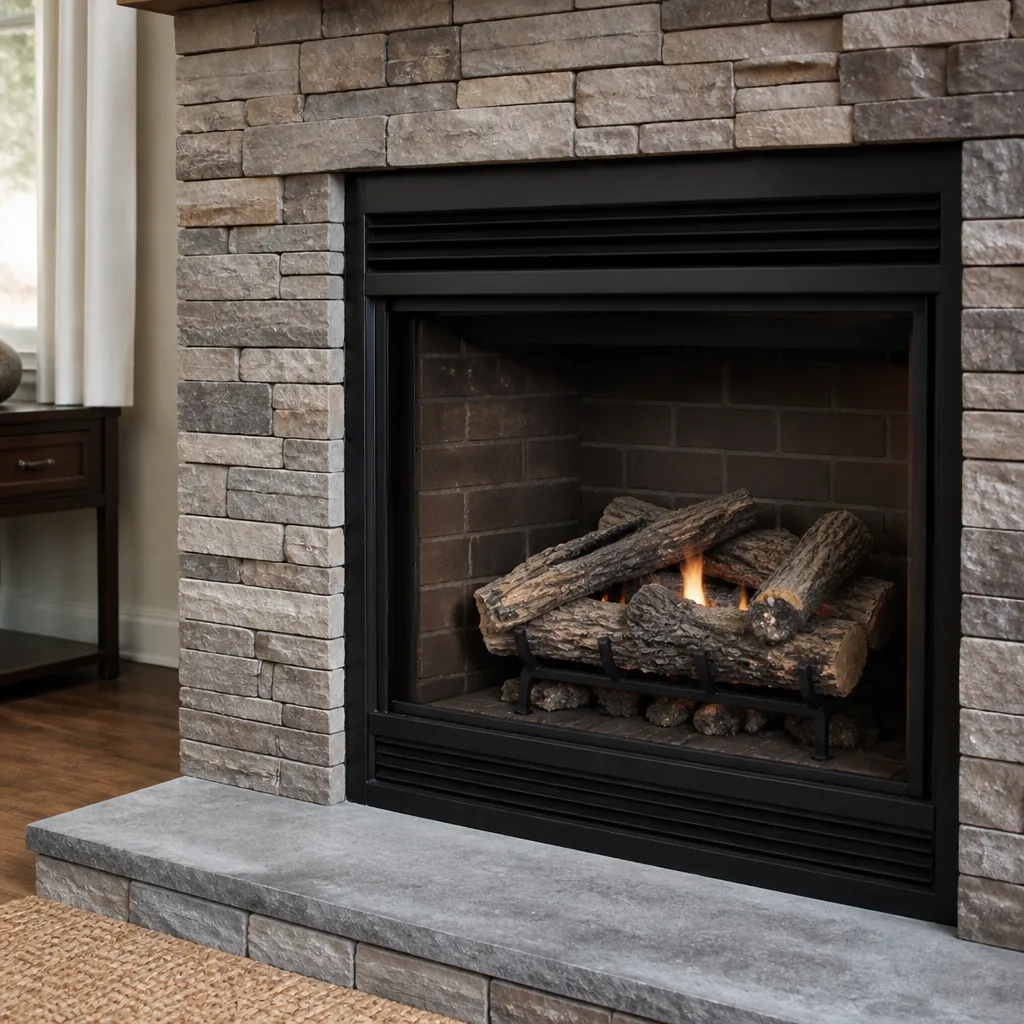 Gas fireplace service
Level 1 sweep and inspection to the NFPA 211 annual standard - flue, crown, cap, and flashing checked and photographed
Chimney sweep logs do not sweep chimneys. They loosen some creosote - which then falls where a brush and vacuum still have to collect it.
Chimney Sweep Maintenance Schedule: What to Do and When
Most chimney maintenance guides tell you to schedule a sweep “before winter.” In Meridian, Idaho, where shoulder-season burns in October and March are common, that single checkpoint leaves two high-risk periods completely unmonitored. A chimney is not a set-it-and-forget-it appliance; it accumulates creosote and moisture damage on a schedule that tracks your fuel type, your burn habits, and the local weather. This guide lays out a real month-by-month maintenance calendar built around Meridian’s actual burning season, with task differences by fuel, a spring checklist most homeowners skip, and clear thresholds that tell you when annual inspection is no longer enough.
Quick Answer
In Meridian, plan on one professional chimney sweep per year, scheduled at the end of your burning season (typically March through May), plus a moisture and structure inspection in early fall before the first fire. If you burn more than two cords of wood a season, or you’ve switched to a different fuel, move to professional inspection every six months and log your burns between visits so your technician can see exactly what your flue has been through. A single annual sweep is the floor, not the whole plan.
Styles & brands we work with
- Sweep & inspection
- Caps & crowns
- Flue relining
- Masonry repair
- Gas fireplace service
Table of Contents
- Why Annual Sweeps Aren’t the Whole Story
- Building a Maintenance Calendar Around Meridian’s Burning Season
- Fuel Type Changes Your Inspection Interval
- The Spring Post-Season Checklist Most Homeowners Skip
- What to Log Between Professional Visits
- Threshold Rules: When Annual Becomes Biannual
- The Other Fire Hazard on Your Maintenance Calendar
- Common Mistakes to Avoid
- When to Call a Professional
Why Annual Sweeps Aren’t the Whole Story
A chimney sweep cleans and inspects; that’s the appointment most people know. What most maintenance guides leave out is what happens in the six to nine months between sweeps. In Meridian, the burning season generally runs October through March, and it’s bookended by shoulder-season burns that happen when the mornings still bite and the evenings come on early. An October cold snap and a late-March snow dump are both real in the Treasure Valley, and each one starts a fresh layer of creosote in your flue before the “official” fire season begins. If you only inspect in November, you miss everything that accumulated in the shoulder burn.
The full picture is a cycle of four jobs spread across the year:
- Post-season sweep at the end of your burning season, when you can remove a full year of residue while it’s still soft and easy to work.
- Spring moisture inspection once the snow is done, when cracks and leaks from the freeze-thaw cycle are visible and fixable.
- Fall pre-season check ahead of the first fire, when the cap, damper, and flue are verified clean and ready.
- In-season logging on your own end (burn hours, wood type, cap condition) so that each professional visit starts with accurate data instead of guesswork.
That structure does more for a Meridian chimney than any single annual sweep ever could. It’s also why our chimney sweep crews ask what fuel you burn and how often before we ever put a brush in the flue. The sweep is the visible part; the schedule is what actually protects the house.
Building a Maintenance Calendar Around Meridian’s Burning Season
If you want a single durable plan to hang on the refrigerator, here’s the one we recommend to Meridian homeowners. It’s ordered by month with the shoulder burns built in, not bolted on afterward.
- March through May · Post-season sweep and full inspection. Book a sweep as soon as your burning season wraps. Creosote is still removable at this point, and any glaze is easy to identify before it hardens over the summer. Pair the sweep with a camera inspection of the flue and the firebox.
- April through June · Moisture and structure check. Snowmelt and the spring freeze-thaw cycles are hard on mortar crowns, flashing, and the exterior chase. This is the visit that catches the leak before it becomes rot or rust. Real Meridian summers are dry and hot, so anything wet at the top of your chimney in April will dry out and crack by July if it’s not addressed.
- July through August · Dryer vent cleaning and cap check. Off-season for the fireplace, which makes it the right window for the vent work that most homeowners never schedule. More on that below.
- September through October · Pre-season readiness check. Cap, damper, and flue confirmed clear before the first fire. If a component is worn (a cracked cap, a stiff damper), this is when we swap it, so you’re not hunting parts in the middle of a cold snap.
- November through February · Burn and log. Fire on. Keep a simple log of burn hours, wood type, and any change in draft. If something shifts, log it and call.
The target queries behind this schedule (like “how often chimney sweep Meridian Idaho”) get a lot of satisfying answers like “once a year,” but that’s honestly only accurate if you burn less than a cord a season and your wood is fully seasoned. For most Meridian homes we see, the honest answer is closer to “once a year minimum, and this is the calendar around it.”
Fuel Type Changes Your Inspection Interval
Two houses on the same block can need entirely different schedules because they burn different things. Here’s how the fuel you use shifts the maintenance picture.
Seasoned Hardwood
Split, dried hardwood (oak, maple, ash) is the cleanest solid fuel for a wood-burning chimney. It produces less creosote per cord and burns hotter. If you burn seasoned hardwood exclusively and keep your burns hot, an annual sweep plus a spring moisture check is usually the right baseline. But “seasoned” is doing a lot of work in that sentence; wood with more than 20 percent moisture content produces noticeably more creosote even if it’s the same species. A cheap moisture meter reads the split face in seconds and pays for itself in a season.
Softwood
Pine, fir, and other softwoods burn hot and fast but produce more residue in shorter time. Pine in particular leaves a tacky creosote layer in the flue if you don’t burn it hot enough. In Meridian, where pine and fir are cheap and easy to source, a lot of shoulder-season fires are softwood fires, which is exactly when you’re most likely to be running cool, smoldering fires that build up residue fast. Softwood-heavy burners should plan on a mid-season inspection if they’re burning more than a cord a season.
Manufactured Logs
Manufactured logs vary wildly by product. Some are clean, some leave more residue than the wood they replaced. The most reliable rule is to inspect after the first full season on any new manufactured log brand. Don’t assume the label tells you everything your flue needs to know.
Gas and Pellet
Gas fireplaces produce less creosote but still need an annual inspection of the venting, the burner, and the logs for dust and insect nesting. Pellet stoves have their own maintenance rhythm (ash traps, vent cleaning, burn pot scrapes) that’s more frequent than a wood fireplace but less about creosote. Don’t skip either category just because the fuel burns “clean.”
One practical note: if you’re switching fuel types mid-season, or between seasons, get an inspection before your first fire on the new fuel. The residue profile changes and what your sweep finds the following spring should match what you actually burned.
The Spring Post-Season Checklist Most Homeowners Skip
The spring moisture inspection is the single most-skipped part of the maintenance calendar, and it’s the one that saves the most money. The reasoning is simple: water does more long-term damage to a chimney than fire ever does. Masonry soaks up moisture, mortar joints fail through freeze-thaw, and metal liners rust from the inside out. All of that damage starts in spring and is fully visible in April. If you wait until September to look, you’ve given it five months of Meridian heat to get worse.
Here’s what a spring checklist covers:
- Chase and crown. Look for hairline cracks in the mortar crown, missing flashing, and any staining on the exterior chase. A cheap fix in April; a real repair in August.
- Interior ceiling and attic. Brown or yellow rings around the attic penetration and the ceiling around the chimney. If you see them, book a camera inspection immediately; that’s moisture in the flue, not just a stained drywall corner.
- Firebox and damper. Rust on the damper or firebox walls after a full season is a sign of condensation and moisture. Clean and inspect before it spreads.
- Flue tiles. A trained eye can spot cracked tiles from the flue opening without a camera, but a camera inspection is the only way to confirm the full length. If the tiles are cracked or degraded, our crews use HeatShield ceramic flue restoration to resurface the flue without tearing out a working liner. That’s a repair option most sweep-only companies simply can’t offer, and it’s dramatically cheaper than a full tear-out.
- Cap and screening. Winter ice and wind are hard on caps. A missing or bent cap lets water, birds, and debris into the flue all summer.
Get the spring check done before Memorial Day and you’ll have the rest of the dry season to make repairs on your own schedule. Get it done in September and every fix is a rush job before the first fire.
What to Log Between Professional Visits
The most useful thing a homeowner can do between professional visits is keep a simple log. It takes two minutes a week and makes every subsequent inspection faster and more accurate. It’s not busywork; it’s information your technician can use instead of guessing. We’ve seen inspections go twice as fast because the homeowner could say “burned oak all season, maybe a cord and a half, no softwood after November.”
Here’s what to log:
- Burn hours per week. Approximate is fine. The number of fires and how long each one burns matters more than the exact minute.
- Wood type. Hardwood or softwood, and the splitter’s moisture reading if you have one. A moisture meter reading of 20 percent or below is a good target; above that, your creosote load climbs fast.
- Cords or equivalent burned per season. Track this once at the end of the season. It drives whether you should be on the annual or biannual schedule.
- Cap condition. Look at the cap from the ground once a month. Bent, missing, or clogged? Log it and call.
- Draft changes. Any difference in how the fire draws, whether it smokes into the room, or whether there’s a smell after the fire goes out. Each of these is a signal worth writing down.
- Weather events. Hail isn’t a common Meridian concern, but high wind, snow load, and hard freeze cycles are. Note them, so a seasonal crack in the crown isn’t mistaken for something worse.
Bring the log to the next sweep appointment. A well-kept log plus a camera inspection is the most reliable picture of your flue you can get, and it saves everyone time.
Threshold Rules: When Annual Becomes Biannual
The single most useful rule of thumb to remember: at one cord of wood per season you’re on the annual schedule. At two cords or more, you’re on a six-month inspection cycle, minimum. If you’re in-between, add a mid-season check the first year, then decide.
Beyond volume, move to a biannual (or more frequent) inspection schedule if any of these apply:
- You burn softwood more than occasionally. Pine and fir build residue faster than hardwood; a mid-season inspection in January or February will show you what your shoulder burn actually did to the flue.
- You burn more than a cord and a half per season. Volume matters. Two cords of hardwood still produces double the residue of one.
- You’ve had a chimney fire. Even a small one damages tiles and mortar. Inspection every three to six months until the flue is confirmed sound.
- You’ve switched fuels or appliances. The residue profile has changed; inspect at the end of the first season on the new fuel, then decide the ongoing interval.
- Your firebox or flue is showing visible wear. Cracks, crumbling mortar, or rust in the firebox mean the annual sweep isn’t buying you the time it once did.
For older Meridian homes especially, the structural picture changes the threshold. An unlined brick flue, a warped damper, or an offset flue that calls for a flexible liner is not a “sweep and forget” situation. It’s a flue that needs to be tracked on a shorter calendar until we’ve confirmed the flue is healthy enough for the annual cycle. That’s exactly where we use DuraFlex flexible liner systems: complex and offset flue configurations get a liner that actually fits the flue, not the easiest one to install. If the flue is unsound, the annual sweep won’t buy you protection; it just removes creosote from a chimney that shouldn’t be used until it’s repaired. A liner install is the fix.
The Other Fire Hazard on Your Maintenance Calendar
Every chimney maintenance guide written for Meridian should include this section, and most don’t. The dryer vent in your home is a second fire channel, it accumulates lint at roughly the same cadence as your flue accumulates creosote, and it’s often routed through an exterior wall or attic that gets the same freeze-thaw punishment as your chimney. The maintenance logic is identical: clean and inspect on a set schedule, not when a problem appears. Annual dryer vent cleaning is the right baseline for most homes, with more frequent cleaning if your dryer runs long, the lint trap fills quickly, or the exterior vent flap sticks.
We treat dryer vents with the same standards we use on chimneys because the failure mode is the same: a blocked vent overheats, and the lint that builds up around a hot exhaust ignites. On the maintenance calendar, the summer window (July through August) is the right time for dryer vent work because it doesn’t compete with fireplace season and it gives you the full dry season to schedule any vent repair. If your vent flap won’t open fully or your vent run has a sharp elbow or long horizontal section, get it looked at before it becomes a problem.
Common Mistakes to Avoid
- Only scheduling a sweep in the fall. In Meridian, the shoulder-season burns in October and March happen before and after the “official” season, and they build residue on top of what you already have. Book the sweep at the end of the season, not the start.
- Skipping the spring moisture inspection. Water damage doesn’t show up in September, it shows up in April. If you only look once, look in spring.
- Assuming gas or pellet means no maintenance. Both need annual inspection of their venting and components, even though the fuel burns cleaner than wood. A gas vent can nest just as effectively as a wood flue.
- Burning unseasoned softwood during the shoulder season. Cool, smoldering fires on damp wood are the worst possible combination for creosote buildup. Split wood early, cover it, and check moisture with a meter before you burn.
- Scheduling a sweep without a camera inspection. A sweep doesn’t tell you what’s happening in the upper flue. Ask for camera inspection and a photo report any time a technician diagnoses a repair.
- Letting a sweep-only company diagnose a repair. When the inspection turns up a cracked tile or a warped damper, you want the same company that can install the fix. Sweep, repair, done. Single-company accountability means you’re not handed off to a separate masonry contractor who’s weeks out on their schedule.
- Skipping the dryer vent because the fireplace works fine. It’s the other fire hazard in your home, and it needs its own annual slot on the calendar.
When to Call a Professional
Call us for a free estimate any time the calendar calls for it, and sooner if you notice any of the following: a strong creosote smell after the fire goes out, a fire that smokes into the room when the damper is open, visible cracks in the firebox or exterior mortar, moisture stains on the ceiling or attic penetration, or a fire you suspect burned too hot or too cool. Also call if you’ve moved into a Meridian home with no known maintenance history; the first inspection establishes a baseline, and everything else follows from that.
Chimney Sweep Meridian offers free estimates in Meridian. Call (866) 361-7607. We answer 24/7, and fast dispatch runs from 7am to 7pm, Sunday through Friday. Our technicians have up to 15 years of experience, and they come prepared for the full resolution, not just the sweep.
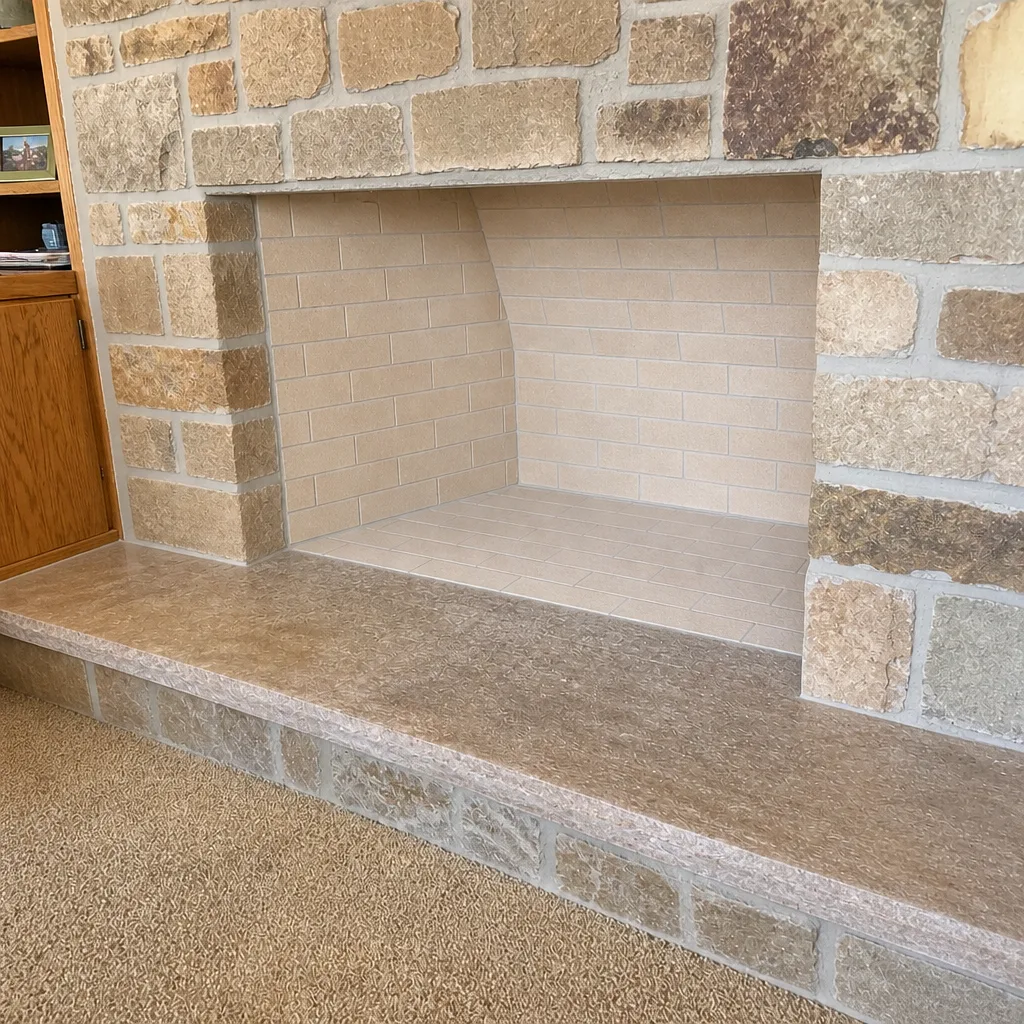
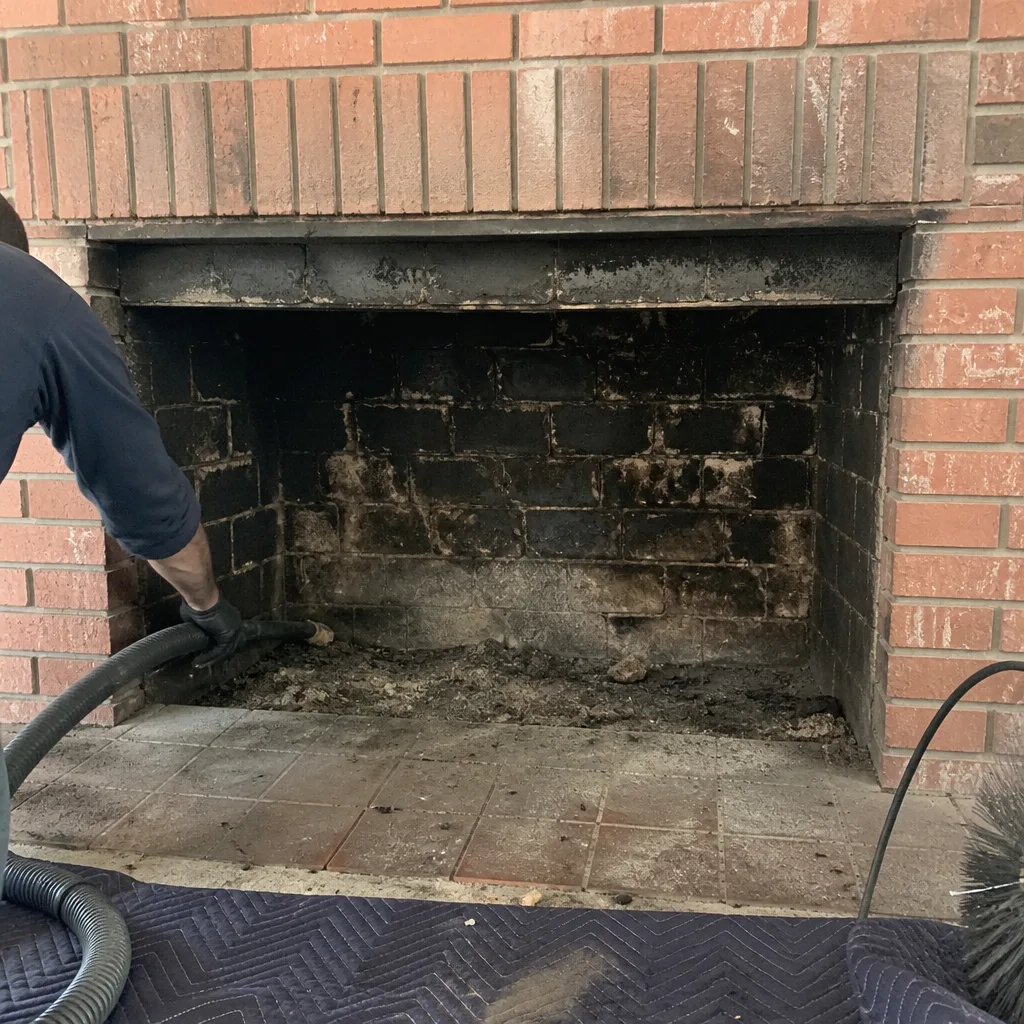
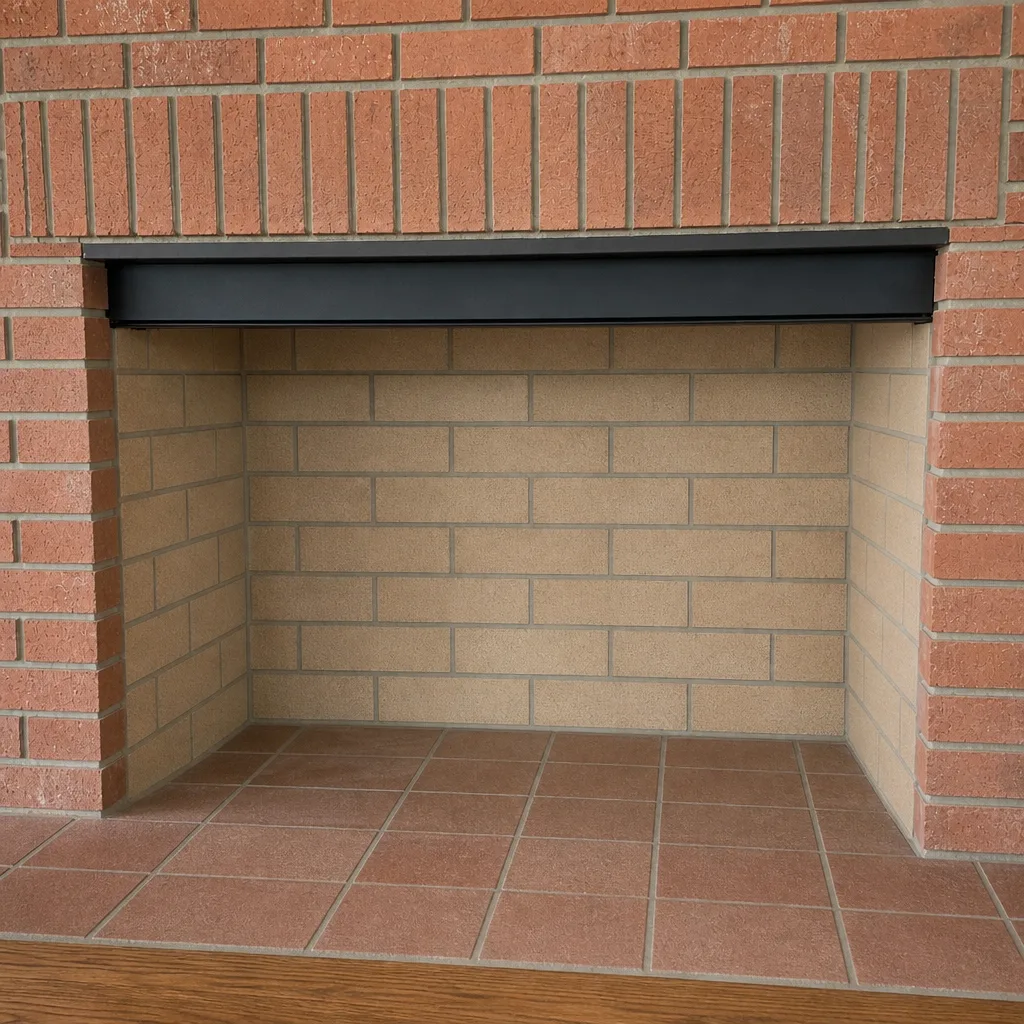
See the difference
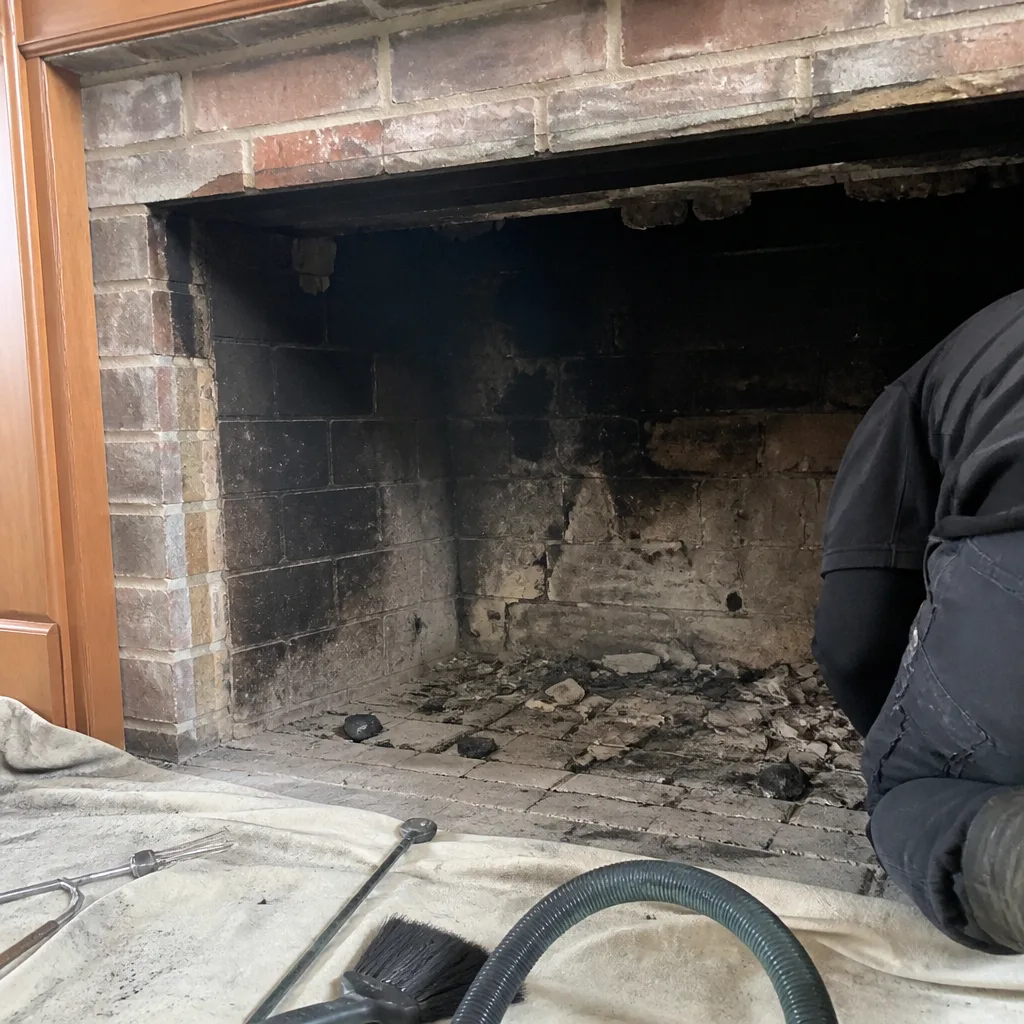 Before
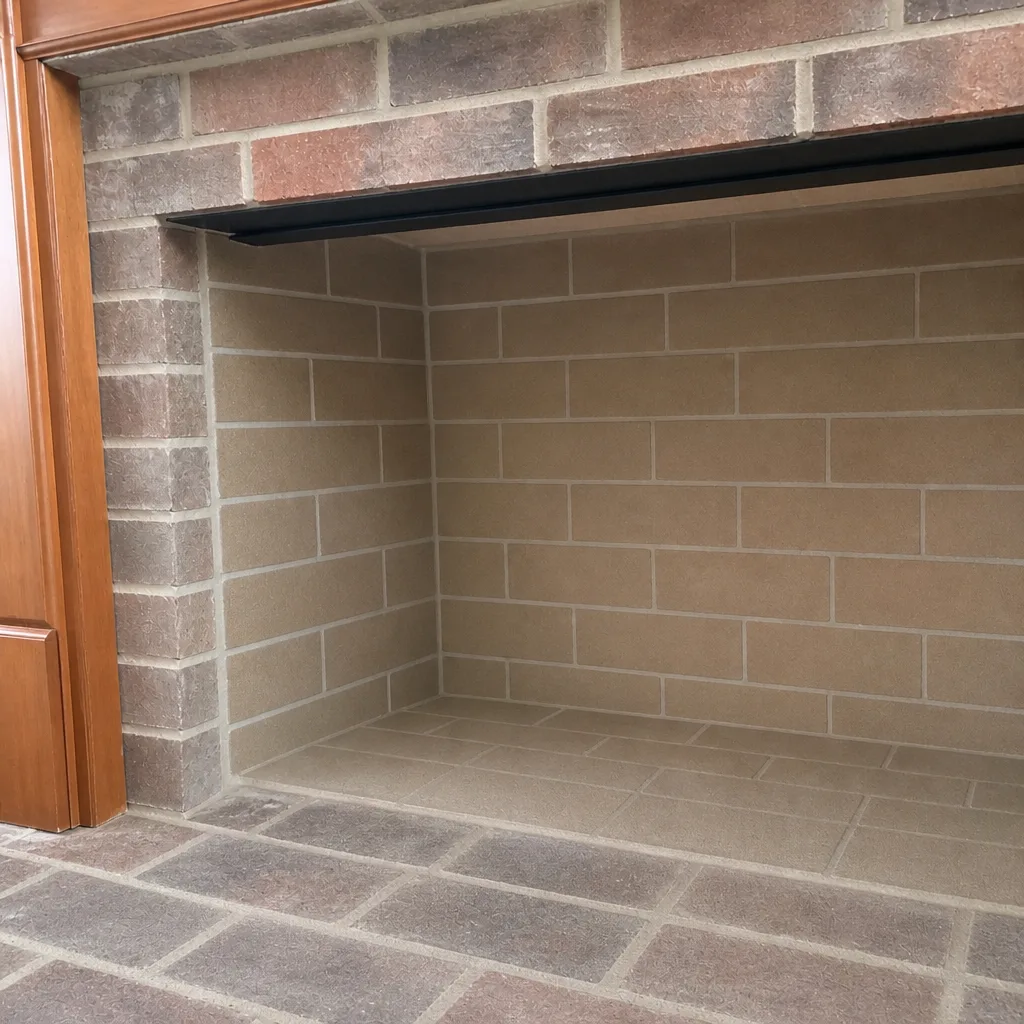 After
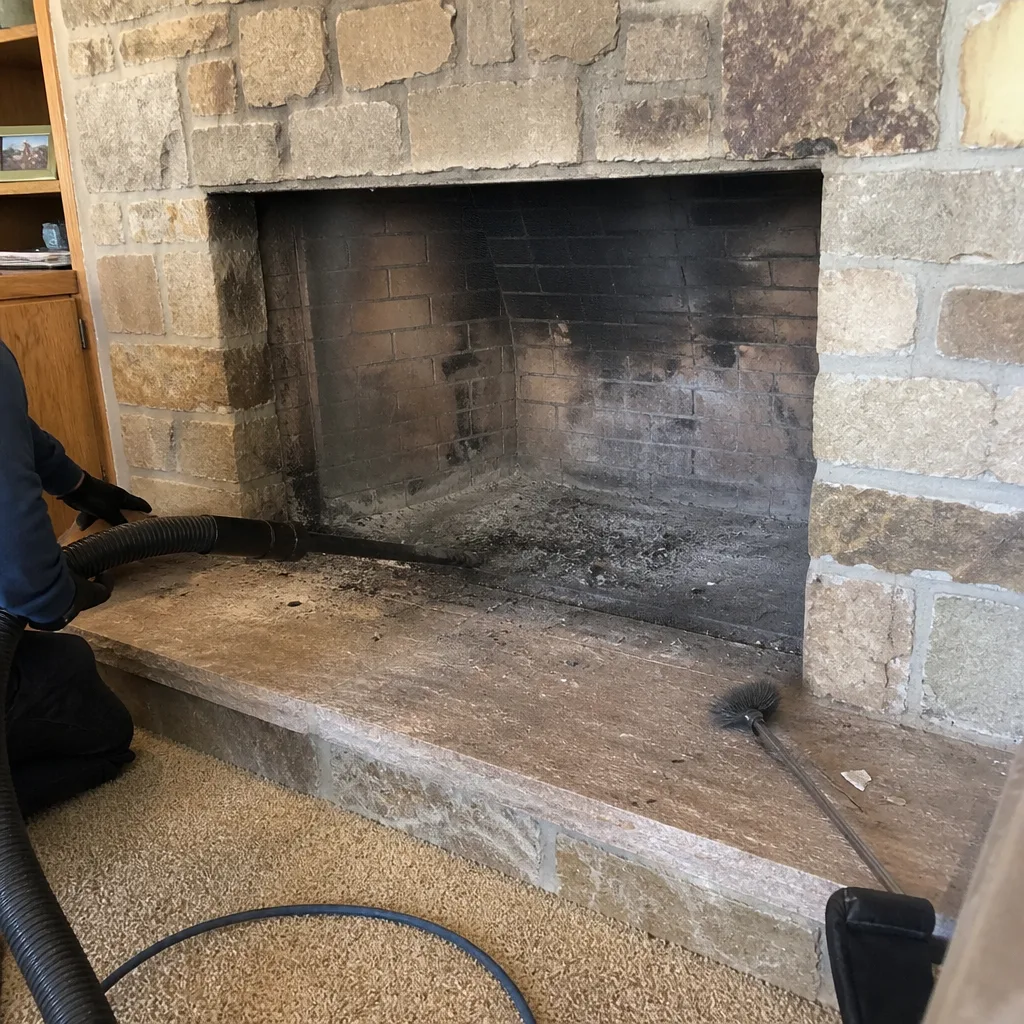 Before
 After
 Before
 After
Frequently Asked Questions
Once a year, at minimum, for typical wood-burning homes, scheduled at the end of your burning season. If you burn more than two cords a season, burn softwood regularly, or have had a chimney fire, plan on an inspection every six months. Use the calendar in this guide and you’ll have the right interval for your house.
Yes, but with a lighter schedule. A few shoulder-season fires still build creosote, and an annual sweep plus a spring moisture inspection is the right baseline. That being said, if your burning season is genuinely small (a cord or less, hardwood, cap intact), a single annual sweep is usually enough. Call (866) 361-7607 for an exact recommendation on your specific flue.
Creosote accumulates in the flue, and at a certain thickness it becomes combustible. A chimney fire can result, and even a small one weakens the flue tiles and mortar. Separately, moisture damage from a skipped spring inspection can lead to masonry cracks and a failed flue liner. Skipping a year isn’t automatically a safety emergency, but it does raise the risk floor on both fronts. Call (866) 361-7607 and we’ll tell you honestly whether the work can wait or needs immediate attention.
No, and we say that as a safety opinion rather than a sales one. A homeowner can absolutely clean the firebox and the cap from the ground, and that’s useful. What you shouldn’t do yourself is climb on the roof, work at height, or run a brush through a flue without knowing what you’re looking at. The camera inspection is the part that matters, and that requires a trained technician.
No, the process differs. Gas fireplaces get an inspection of the burner, the vent, and the log set, plus a check for dust and insect nesting. There’s far less creosote than a wood flue. An annual visit is still correct for gas, so don’t skip it on the assumption that gas is maintenance-free.
Not always. When the tiles are degraded but the flue structure is sound, our crews use HeatShield ceramic flue restoration to resurface the flue from the inside. That preserves the existing liner and saves the cost of a full tear-out. When the flue is unsound or the configuration is offset, we install a DuraFlex flexible liner sized to the flue, not the other way around. Either way, nothing is recommended without camera evidence you can see in the photo report. Call (866) 361-7607 for a free estimate and we’ll walk you through it.
The Bottom Line
An annual sweep is the floor of your chimney maintenance plan, not the whole of it. The real schedule in Meridian runs March through May for the post-season sweep and inspection, April through June for the spring moisture check, September through October for pre-season readiness, and November through February for burning and logging. Fuel type adjusts the interval: hardwood is cleaner, softwood builds residue faster, and manufactured logs need a first-season inspection before you commit. Add dryer vent cleaning to the summer window, and you’ve closed the loop on both fire hazards in the house. Free estimates and a real maintenance plan start with one call.
Call (866) 361-7607 for a free estimate. We answer 24/7. Fast dispatch, 7am-7pm, Sunday through Friday. Whether you’re booking a baseline inspection on a Meridian home with unknown history or standing up a full maintenance calendar for your Meridian property, we’ll bring the camera, the parts, and the specialists to finish the job once we’ve diagnosed it. Sweep, repair, done. Visit Chimney Sweep Meridian for the full picture on how we work.
Written by the team at Chimney Sweep Meridian.